Category Archives: Family

10 Things I Learned From Cats
 I don’t know what’s happened to me.
I’ve never been a cat person.
NEVER.
From the moment I was born, I was a dog person.
An entry in my baby book documents that. On one of my first trips to the local public library, I toddled across the floor, grabbed a book from the shelf, handed it to my mother and pointed at the picture on the cover.
Then I uttered one of my first words.
“Doogie.”
Not much has changed in 48 years. I still compelled to reach out to every dog I see. Since the time I was four when my first dog, Charlie Brown, came into my life, my best friends have always been dogs.
I’ve never felt the same unconditional love for cats.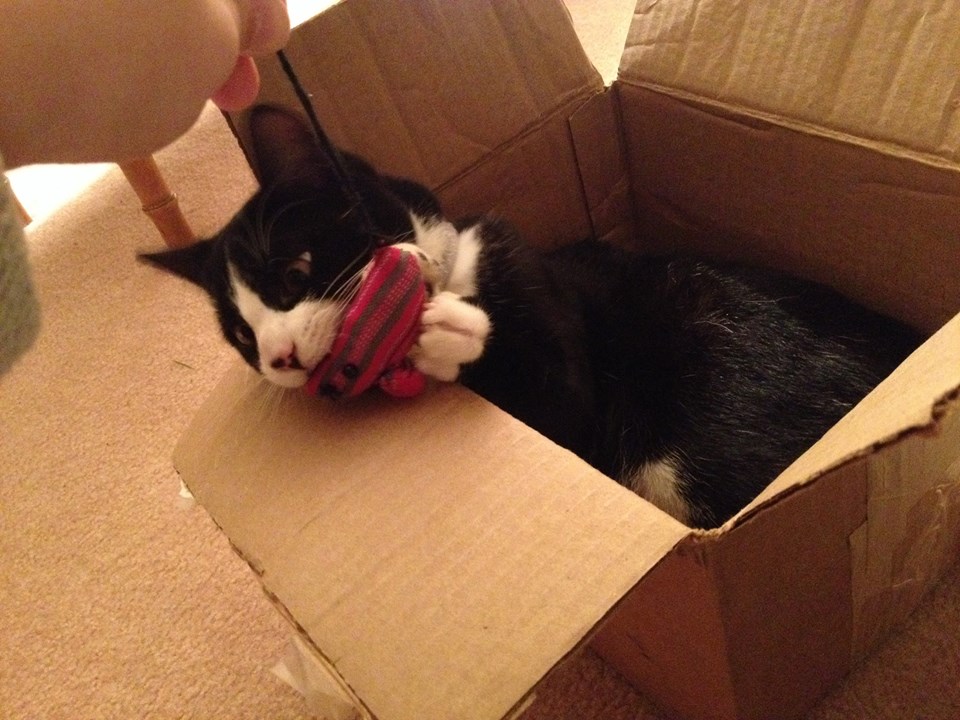
Yet, somehow the cats in my family now outnumber dogs.
I could blame my daughter and husband for their appreciation of the quiet and generally undemanding nature of cats, but I would be avoiding the truth. At some point, my heart grew a couple of sizes larger, and I let the cats in.
I don’t love them for the companionship and unconditional love that my canine bff’s have always provided.
I love them  because they make me think. In all honesty, they have actually provided me with ten important life lessons:
Number 10: If you need a nap, just take one. Period.
Number 9: Don’t spend time trying to get people
to like you. Some people will like you. Some people won’t. Spend your emotional energy doing what you like rather than trying to please anyone.
Number 8: Always let people know when they are creating circumstances that make you unhappy. If you don’t, nothing will every change.
Number 7: There is absolutely nothing wrong with small spaces. In fact, sometimes they are the best spaces.
Number 6: Al ways make people appreciate your time and attention.
Number 5: If the weather outside isn’t comfortable, come inside. Otherwise, spend your time outside exploring and enjoying nature.
Number 4: Always act as though you are in charge. Even when you have very little control, pretend you do.
Number 3: Embrace your curious side. That’s the only way you’ll ever experience something new.
Number 2: Sometimes, the box really can be the be part of the present, especially if you take into account the wrapping, the bow and the ribbon.
And the Number 1 lesson I learned from my cat?
Love is love. Don’t worry about what others think about whom you should or shouldn’t love. Love who you want.

The Dance
Every year, at least one news source releases a list of everything that the latest class of incoming college freshmen have never experienced. The articles are often written under the guise of reminding professors that they are teaching to a group of students whose life perspective is completely different from theirs.
That’s the “supposed” reason for the release of these articles.
I think they are really intended to remind people like me how old we are.
Generally, I can feel old without being told that River Phoenix died before this year’s college freshmen were born, that Ferris Bueller would be old enough to be their father or that they have always been able to download music from the internet.
I don’t need the news stories because I have teenagers who constantly remind me that, if I were a car, I’d be a categorized as a “classic.”
Despite my best efforts to be hip, my kids let me know that just using that word dates me. To them, hips are a part of a body and the word “cool” is to describe something that is getting cold. They deem things they like as “chill.”
And while “chill” has yet to make it into my vocabulary, I feel fortunate to even understanding what my kids are saying when they use that word. At least it is a word.
Much of what they communicate is in a code that grew out of their love of text messaging. I once thought I was keeping up with the times (I actually did Laugh Out Loud when my former boss, a retired Army Colonel, expressed confusion that a male colleague was responding to his emails with Lots Of Love), but those days are over.
Now, I find myself constantly googling random groups of letters that mean something to my kids and their friends.
But there are many things that I can’t Google – like the nuances of the high school culture in which my kids spend most of their waking hours.
Take, for example, the dynamics of the homecoming dance.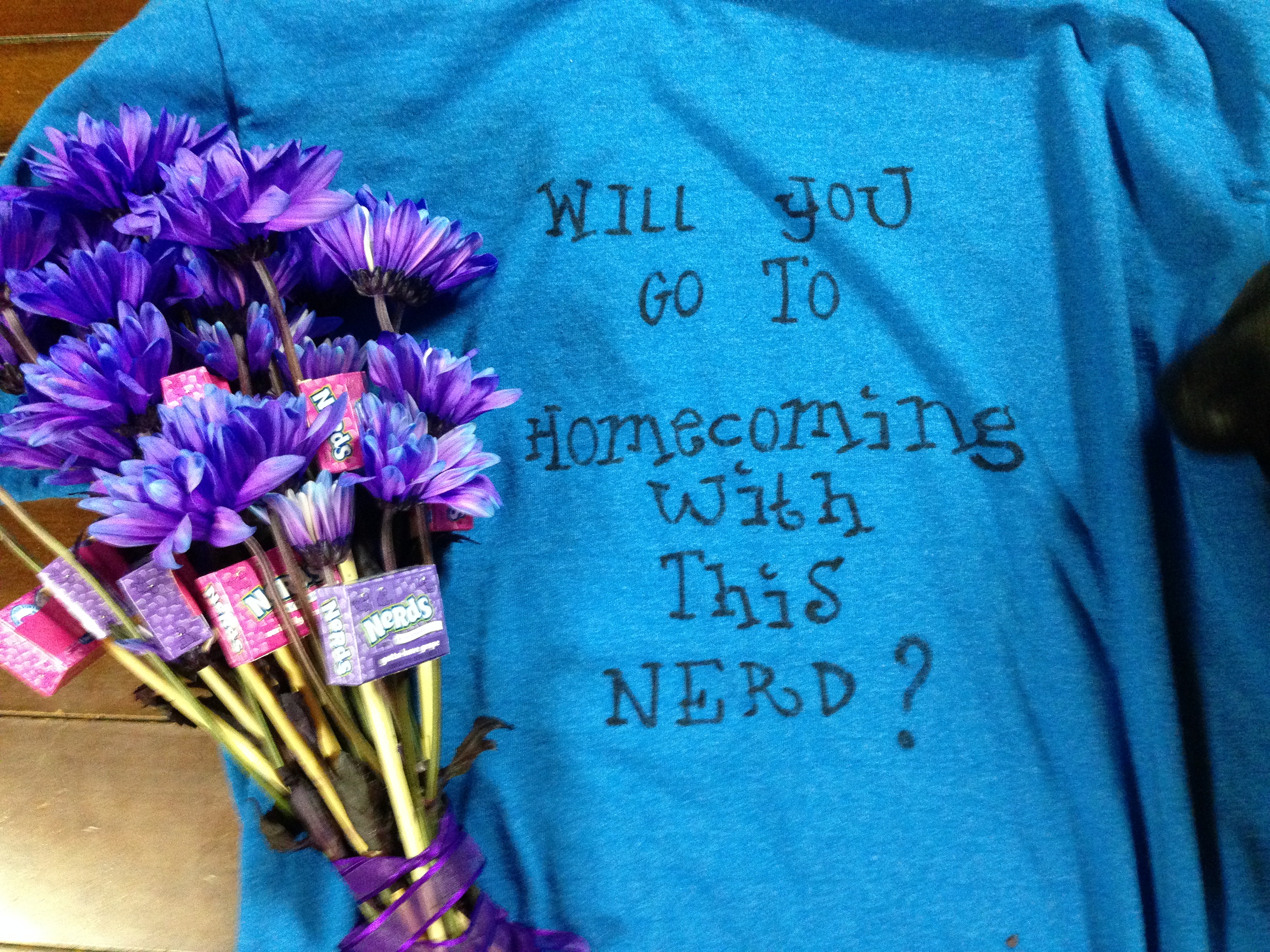
When I was in high school, there were only two options for attending the homecoming dance. The first was that you went with your significant other, and that significant had to be a member of the opposite sex. Thankfully, that tradition has been kicked out the door and down the street. People can go as best friends, as same-sex couples or by themselves. That’s cool, or uh, make that “chill.”
Also back in my day, if you didn’t have a significant other, you hoped that someone (always a member of the opposite sex) would ask you to the dance. If not, you knew you were destined to sit at home on the night of the dance watching the latest episodes of The Love Boat and Fantasy Island.
Now that no one has to have a date to the homecoming dance and students can attend with whomever they like, I thought the issue of the homecoming dance is a simple one. You either go or you don’t go.
I was wrong.
Asking someone to the homecoming dance now requires a creative and/or romantic proposal that is social media worthy. This is even more critical when you are already dating someone – the ask has to be huge.
If you don’t have teenagers in your life or you’re not keeping an eye on Instagram, you haven’t had to endure the onslaught of photos showing just how creative adolescents can be regarding the “big ask.” The whole trend makes me roll my eyes. On one hand, it’s cute. On the other hand, it’s completely ridiculous.
But then, most of our most treasured memories grow out of ridiculous moments.
I may be old (according to my kids) and I may have a great deal of life experience (according to the annual list about the experiences of college freshmen), but I am still young enough to appreciate the need to seek joy wherever we can find it.
So much of life doesn’t follow the script we attempt to write for ourselves. Life can be complicated and disappointing, and teenagers today understand this more than my generation ever did. They have to because the world is literally at their fingertips
But instead of simply accepting that life can be difficult, they are finding ways to enjoy it whenever and however possible.
If that means making a big deal out of asking someone to a dance, then I shouldn’t roll my eyes.
Instead, I should be using my eyes for something else – looking at the list of all things my kids have never experienced from a different angle.
I shouldn’t be seeing how old I am and how young they are. Instead, I should be looking at all of the possibilities my children still have in front of them. Even more importantly, I should be looking at all the opportunities they have to make their dance through this life as joyous and memorable as they want it to be.
All of My Lives
I felt a bit like a cat with nine lives as I glanced at my watch on Friday night.
I hadn’t recently escaped a serious accident or overcome a life-threatening illness.
I was just sitting in a high school auditorium watching my son and his friends turn what was intended to be a serious ceremony into something that more resembled a comedy routine. He and his fellow senior marching band members were supposed to be “jacketing” the freshman, which involved putting them into their uniforms for the first time.
As the antics on stage wrapped up, the band director made a short speech. He told the newly inducted band members that they now have a ready-made family as they start their high school journey.
At that point, I could feel my eyes begin to water and my chest tighten. What seemed like only yesterday, my son had been one of those freshmen. Now, in a few short months, he will be graduating from high school.
As I sat in that auditorium, I promised myself I would do all I can to treasure the next few months and the memories that have yet to be made.
That’s when I glanced at my watch and realized that more than 300 miles away, my 30 year high school reunion had just started.
As my son was animatedly and comically stepping into his last year of public education, my classmates from three decades earlier were reminiscing and remembering that time in our lives.
I had absolutely no regrets about choosing to celebrate my current life rather than a previous one.
At the same time, the poignant reminder of the quick passage of time is what made me feel a bit catlike.
My high school years are part of a past life.
I long ago left behind the girl I was in high school.
She existed in my life before college – a time when I learned to form my own opinions instead of parroting the most popular ones.
She existed in a life before I stumbled and failed at numerous adult relationships.
She existed before I learned to keep my mouth shut in order to survive horrible jobs with mean-spirited bosses because I needed a paycheck more than I needed to be happy.
And she existed before I became a wife, a mother and a person who strives to live a life of joy rather than one of fear, to speak out for compassion instead of accepting misunderstanding and to take risks rather than live with regrets.
I’ve only arrived here after surviving several lives during which I let fear win, silence overpower truth and safety override risks.
But I’m here now, and I’m sure my present-life friends and colleagues wouldn’t recognize or even believe whom I was in my life as an 18 year-old.
I can only hope the same for my own children. Although I love them dearly as they are today, I don’t want them to live the same life forever.
Last Friday, as I watched my incredibly goofy son on stage, I also knew that boy won’t always exist.
Life isn’t supposed to be static.
It’s about adapting to change. It’s about seeking out and enjoying as many experiences as possible. It’s about developing new relationships. Most of all, it’s about embracing the inevitable fact that, while nothing stays the same, each moment and life stage should be appreciated for what it can provide.
I wish I could give that advice to the me I used to be, but I can’t. All I can do is share it with my children.
Whether they choose to listen is up to them.
Something tells me that, in their current lives, they probably won’t listen or understand.
But someday, in one of their future lives, they’ll know exactly where their mom was coming from.
The Language of Our Fathers
The first time I truly understood why I had married my husband, we had already celebrated more than 15 wedding anniversaries.
The moment of my realization wasn’t romantic nor was it private.
In fact, we were surrounded by others at a neighborhood Halloween party.
 The dads were standing in a small circle talking, and I just happened to be nearby when one of them pulled out his phone and read a joke to the other dads. I can’t recall the punchline, but it had something to do with President Obama being black. As the other dads laughed, my husband turned his back on them and started to walk away.
“What’s wrong?” one of the other dads asked. “Do you support Obama?”
“This has nothing to do with politics,” he said. “It doesn’t matter if I support him or not. That was a racist joke and laughing at it was racist behavior.”
After their initial silence, they mumbled excuses mixed with denials.
My husband walked away anyway.
That is the exact moment when I realized why I decided he was “the one” all those years ago.
Despite our extreme personality differences, he speaks my language.
It is a language that embraces differences and dismisses labels. It’s a language that appreciates the incredible beauty of being unique and despises the use of violence.
Most of all, it is a language that conveys the perils of remaining silent at even the smallest acts of bigotry.
I was thinking of this lan guage when I woke up Thursday morning to the news that nine people had been slaughtered at a historical African-American church in Charleston South Carolina because of the color of their skin.
I couldn’t help but wonder if their killer had told racist jokes and if people who claim they are not racist had laughed at them.
My gut told me they had.
Apathy can be as dangerous as a gun, and yet it is something many of us use on a regular basis to help us “get along” and “not make waves.
It is also something that can be broken with only a few words, like those my husband spoke at a Halloween party years ago
On Father’s Day, as most of us take time to thank our dads for all they’ve done, I want to thank my husband for teaching my children his language.
It is a beautiful language because it is also full of hope. When all the voices who speak it join together, maybe, just maybe, they can begin to change the world.
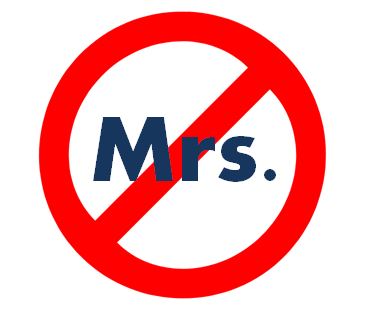
Would Anyone Miss Mrs.?
 My co-worker stood in the doorway of my office with a book in her hand.
“Can I complain for a minute?” she asked.
“Sure,” I answered. And I meant it.
One of the reasons I love my job is that I work in an environment of open doors and open ears. Most of us have ever-growing “to do” lists, are trying to meet multiple demands from multiple people and are always aware that we may have to drop everything in order to meet the needs of the people we serve. Despite that, or maybe because of it, we always make time for each other.
And so it was when the immigration attorney in the office next to mine needed to air her grievances.
And when she did, I understood.
She was recently listed in a professional directory with a Miss in front of her name. “There’s nothing to indicate that I have a law degree or that I passed the bar exam,” she sighed. “Basically, the only thing people know from this publication is what my job title is and that I’m single.”
I glanced through the directory noting that all of the women were listed as either Miss or Mrs. Since I’m neither (I’m married but didn’t take my husband’s last name), I had to question why, in this day and age, the terms are even needed. I’ve been married 21 years, have two children and have never once felt that my life would be better if people called me Mrs.
As we discussed the issue, a male colleague chimed in.
“I understand the need to differentiate between male and female,” he said. “There are women that have my first name, and I want people to know I’m a guy. But my wife and I have had this conversation on numerous occasions, and she thinks Ms. and Mr. are is all we need”
I’m with him (and his wife).
With all the advances women have made, I don’t understand why we often still address them based on marital status (or questionable marital status) while we address all men the same, regardless of marital status.
I know the distinction is probably a result of days when men were in charge and women (supposedly) embraced marriage as the ultimate achievement. But those days are over (except for extremists like the Duggar clan.) Women who want to take the traditional path of changing their last name when they marry can and should.
But women who are listed in a professional directory should have the assurance that people are much more interested in their qualifications than with their marital status.
Besides, I doubt anyone under the age of 50 (other than the Duggars) would even notice if the term Mrs. goes missing.
Patterson’s
 Sometimes, the history that captivates us most isn’t the one that has shaped who we are but instead is the one that has shaped others.
I didn’t grow up in the town where I now live, and no significant life events have occurred here (yet). Despite that, I can’t shake the nostalgia that often hits me at the oddest times.
Take, for example, my daily mail run during the work week.
My office is located two blocks from Patterson’s Pharmacy, where a mailbox sits just outside of the picture windows.
Almost every day, when I am dropping off the office mail, I glance in at the patrons sitting at the old-fashion soda fountain.
For the most part, these individuals are, at a minimum, a couple of decades older than I am. Most are at least 30 years older.
Sometimes they wave at me, but often they don’t because they are too engrossed in conversation. Despite their general camaraderie, there is always at least one person who hides behind the daily newspaper, with his head stuck in so far that I’m not sure he’s reading or using the paper as a shelter from the outside world.
I’ve never noticed what or whether people are eating or drinking, but my guess is they are generally sipping cups of coffee rather than the homemade milkshakes, malts and sodas that interest the younger generation. These are the treats that my children and friends enjoy despite, or maybe because of, the old-fashion counter, historic photos and the general slow pace of the place.
Last Friday, my daughter and her friend asked me to take them to Patterson’s. We took our seats on the soda fountain stools, even though no one was behind counter.
The old woman next to me in the knitted cap didn’t say anything. The two elderly gentleman on the stools at the end of the counter were quiet for about five minutes until I asked the girls if they were willing to wait or wanted to go elsewhere.
“She’s at the bank to get some cash,” the one man told me. “She’ll be back soon.”
No one said who “she” was. Everyone knew it was Ginny, whom I also see daily and has worked at Patterson’s since I moved to town.
No one seemed concern about Ginny’s absence. That’s the slow pace of business at a place like Patterson’s.
No one is worried about following the rules of corporate America in which money is often more important than people. Patterson’s is a local business in a small town. It caters to older people as well as 13 year-old girls who want a genuine root beer float and are more than willing to spend time chatting with each other at a old-fashion soda fountain rather than demand that their drinks are available immediately
At Patterson’s, people are important.
I know this because they are one of very few pharmacies that provide services to the people whom Catholic Charities, where I work, helps. These are people who often can’t even afford the $1.00 co-pay needed for a prescription. But Patterson’s works with us to ensure that people who need help get help.
And sometimes that help doesn’t come in a bottle but instead comes in the form of a safe place.
Last Friday, as my daughter, her friend and I waited for Ginny, the old woman in the knit cap on the stool next to me finally began talking.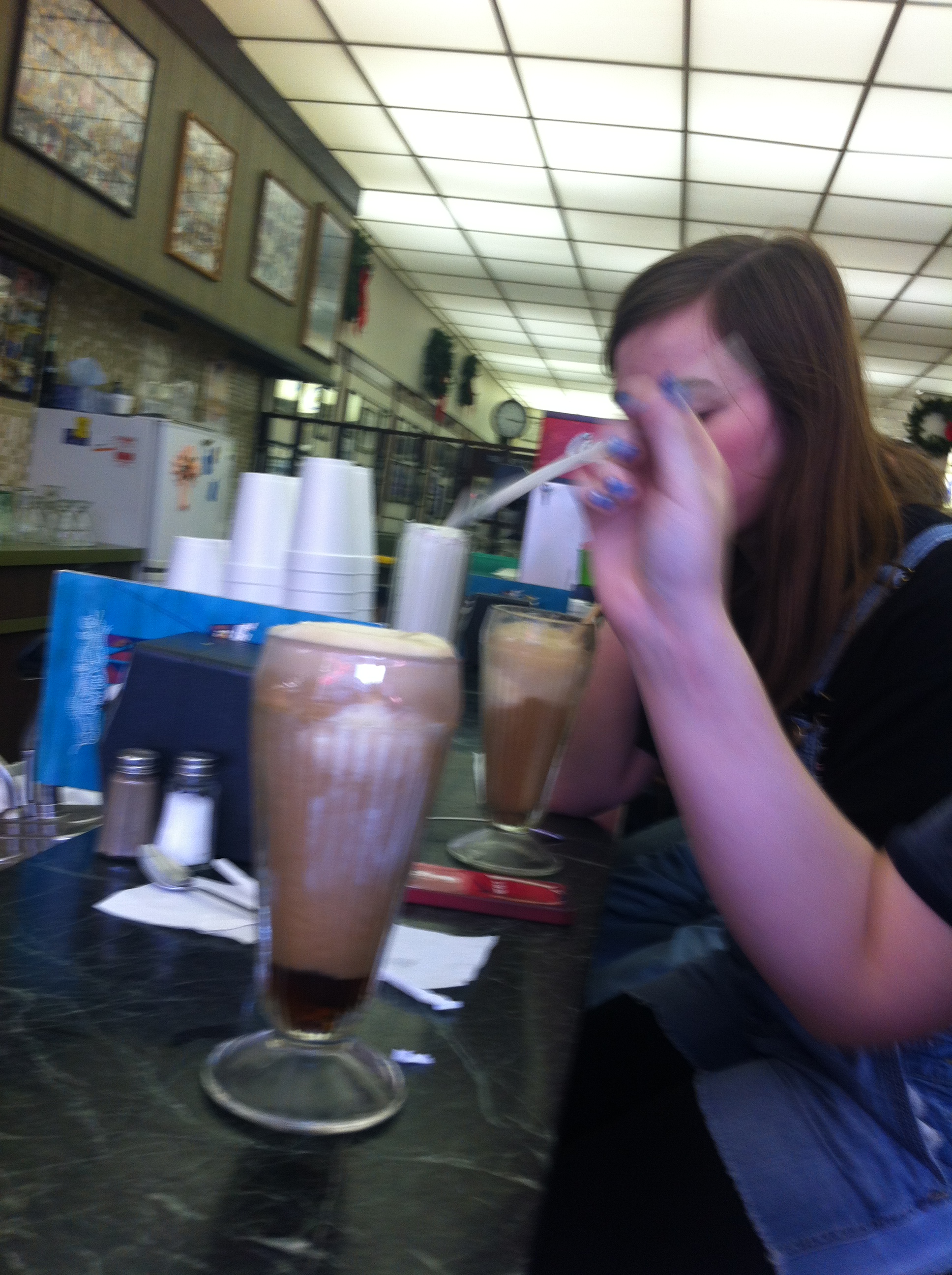
“How old are your girls?” she asked me.
“Thirteen,” I said.
“Thirteen? They are awful big for 13!”
I looked at my daughter and her friend. Neither was wearing makeup and both were wearing t-shirts and Converse tennis shoes. To me, they looked exactly 13.
“In my day, kids were a lot smaller,” she said.
“When was that?” I asked.
“Back in the 1950’s,” she said, “I had kids in the 1950’s when Martinsburg was still Martinsburg.”
“Hmmm,” I responded. Ginny was back, and I ordered the root beer floats.
“I grew up here,” the woman in the knit cap said, “but you wouldn’t know it. I don’t know anyone here now. I don’t even know what happened to the bars. Back in my day, there were bars here but there wasn’t the traffic we have today. There’s too much traffic now.”
“Hmmm,” I said as Ginny filled glasses with root beer and added a scoops of ice cream.
“What is that?” the woman asked looking at a glass with a bit of suspicion.
“A root beer float,” I answered.
“I can’t drink that anymore,” the woman said. “It does something to my stomach.”
“Hmmm,” I said.
“I don’t like this town anymore,” the woman in the knit cap said. “It’s full of people I don’t know doing things they shouldn’t do.”
She shrugged then looked at my daughter and her friend.
“What are they drinking?” she asked.
“Root beer floats,” I answered.
“I can’t drink those anymore,” the woman said again. “It does something to my stomach.”
And so are conversation went. She asked me the same questions and when I answered, she gave me the same responses and the same complaints.
When the root beer floats were gone and the girls were ready to go, the woman said goodbye then struck up a conversation with Ginny behind the counter.
“How are you feeling today, Shirley?” Ginny asked.
“Not good,” said Shirley. “I don’t know anyone in this town anymore.”
“But they know you,” I thought as my daughter and her friend smiled at her and said goodbye as we walked out the door.
“Sometimes, the history that captivates us most isn’t the one that has shaped who we are,” I thought. “Instead is the one that has shaped and is shaping others. And sometimes there is noting more magical than watching it shape very different generations at the same time.”
The Crap Shoot
 I am fortunate to have a job in which I am constantly reminded that I won the lottery of life and which gifts me with examples of my luck on a daily basis.
Recently, my co-worker rushed to clean the seat of a chair where a schizophrenic homeless man sat unaware that his pants were so low they were no longer covering what should have been covered. When she gently told him to pull up his pants, he apologized and pulled the up. My organization’s ability to serve this young man is limited, and he walks the street every night. Several people are working with him to try to find adequate services that will address his needs and provide him with a safe place to sleep. In the meantime, he has nothing more than what he can carry in his arms.
At the beginning of the month, I spent hours trying to find a way to get a young man back to his family. He had lost his job and with it the income that allowed him to pay rent or buy food. While on the phone with his mother, the operator broke into the conversation with a call from a prison. The prisoner was the young man’s father, who proceeded to tell me what a loser his son was. He also told the woman with whom I was talking that she should not travel the hour to pick up her son because he didn’t deserve it. Sadly, the mother listened, and the young man remained stranded with no support system or resources.
This week, a woman with six children called our offices asking for help. The electricity at her house, a run-down shack, had been shut off, and she had no hot water for baths or showers and no way to cook or heat up food. Her husband, who had lost his job a few months ago, had recently found employment but wouldn’t be receiving a paycheck for several weeks. Since the family had no electricity, and therefore no fans or air conditioning, they leave their windows open in hopes of a breeze. Because of that, the children’s bodies are covered in mosquito bites.
Every day, I hear conversations I cannot understand. My office is right next to that of our immigration attorney, so I listen daily to conversations in foreign language. Occasionally, I understand what is being said, and it is never heartwarming. I listen to families who came to the United States for political or humanitarian reasons and have no place to go. Just the other day, I witnessed a six-year-old child translating for her mother. She was telling our outreach worker about the eviction notice her family had received. At the age of six years, this little girl should be playing with dolls, taking dance lessons and swimming with her friends. Instead, she is doing all she can to prevent her family from being homeless.
Perhaps most controversial and yet most heartbreaking among the clients I encounter daily are the hundreds of people who live in generational poverty in the United States. Of these individuals, some were raised in families in which violence was a norm. Others lived in homes in which education wasn’t a value and in which routines such as dinner and bedtimes were foreign concepts. Some were born to parents who abused drugs and who neglected their children during the most crucial years.
Even though I come face to face with such poverty very day, I am also reminded that for every person who walks through our offices seeking assistance, there is another person who is pointing fingers and placing blame. I’ve heard it all:
“If people tried harder, they would have an education and a job.”
“Our country already has too many problems. Why should we help people from other countries?”
“If I can make it, anyone can make it.”
“I’m tired of my hard-earned dollars going to support woman who had kids just so they could live off the system.”
What many people don’t realize is that, as my co-worker says, “Life is one big crap shot.”
We don’t get to choose who are parents will be or where we will be born. We don’t get to choose how intelligent we will be or whether we will inherit a mental illness. And we certainly don’t get to choose whether we will be raised in an environment that values good judgement or in one where children are just lucky to get through childhood alive.
There are days when I wish I could yell to the world. I want to say that I completely agree we should all do our best and we should all make good decisions. But I also want to yell that some of us are fortunate to have been raise to understand cause, effect and consequences. Some of use are lucky to have been raised with values on which we make good decisions. Some of us were raised to think about the future rather than just the moment at hand. And some of us were raised with people who want us to excel rather than pull us down.
If life is truly a crap shoot, then I was lucky enough to roll a good deal. I may not have a lot of money or the biggest house on the block, but I am an intelligent woman surrounded by people who support me. Even better, I am surrounded by people who will do the same for a stranger who was never handed the same odds that I was.
My real fortune comes not just from having a job but from having a job that allows me to witness people who truly understand that their skills, knowledge, education and general good fortune aren’t just good luck. They received these gifts so they could use them to help and provide for others.
Getting to witness such acts to benefit the less fortunate on a daily basis makes me one of the luckiest woman in the world.
Here’s Looking at You, Dad
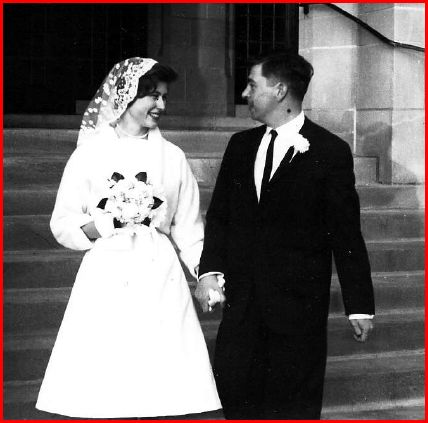 My parents have been married nearly 51 years, and I still wonder how they ever got together.
I’ve heard stories about when they first met during their Peace Corps training at Notre Dame University. As my dad’s theater voice boomed Spanish words perfectly from the back of the classroom, my mother sat diligently in the front row trying to learn the language while simultaneously fuming at my dad’s easy grasp of it.
Nothing else captures the difference between my parents more clearly.
My mom is serious, studious and a perfectionist. She went to college because that is what was expected. She has never claimed she has any natural talent. Instead she credits any accomplishment to practice and diligence. And she, like her daughter, is more comfortable doing something productive than simply relaxing. That’s not to say she doesn’t take time to enjoy the beauty of the world around her. She does. She just enjoys it more when it has a purpose.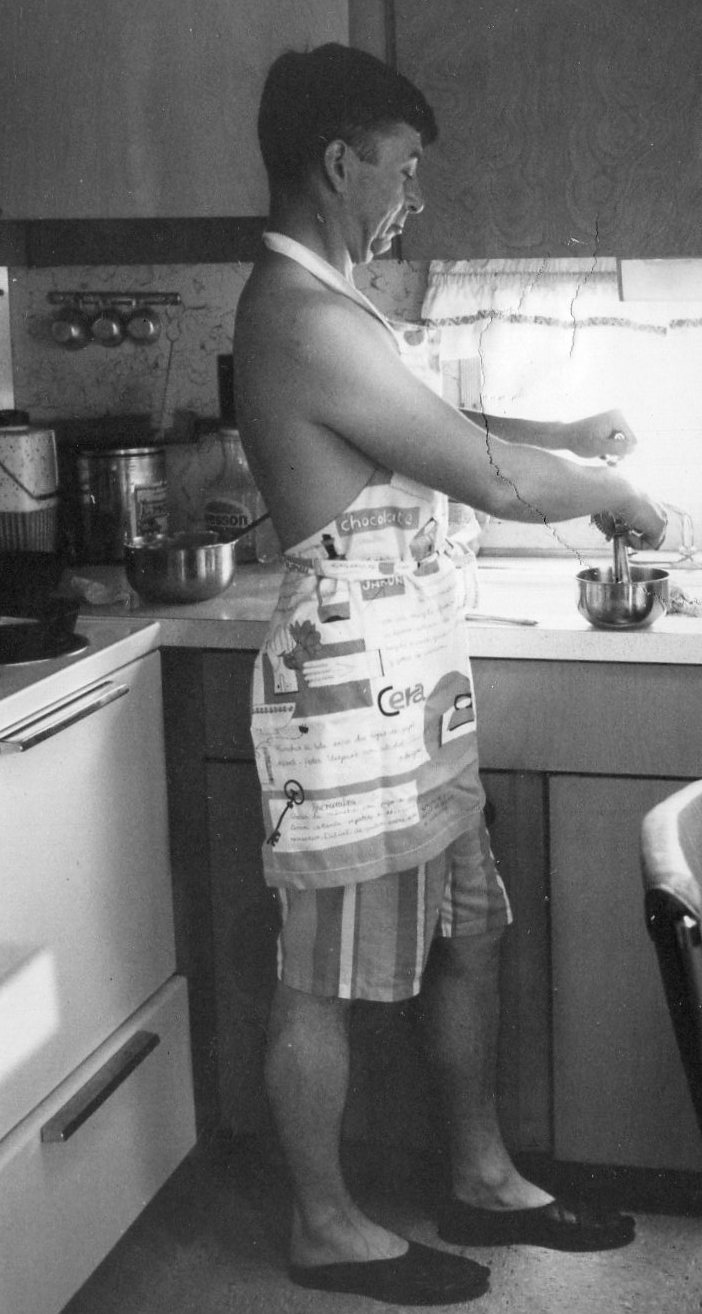
 My dad, on the other hand, has devoted his life to ensuring everyone around him understands the importance of joy. While my mom taught me how to persevere, my dad taught me how to make the most of every opportunity.
From what he says, no one ever believed he could go to college. Upon graduating from high school, he joined the Navy because he knew it would take him places that he would never otherwise go. Following that, he did manage to go to college, where he received a degree in forestry. He loved the natural world and recognized what the earth can give people if we treat it right.
And then he joined the Peace Corps and met my mother.
And then he got married and became a father.
As a little girl, I never realized how lucky I was to have a dad who encouraged my mother to be the person she wanted to be, just as he encouraged my brother and me to pursue what made us happy. In elementary school, I never thought twice about the man who spent his free time on the stage and in his gardens rather than succumbing to stereotypical male interests. And as a teenager, I never appreciated all he sacrificed and tolerated for the sake of his family.
Now that I’m adult, I appreciate all of that.

\
Even though I’ve often questioned how my parents ever got together, I’ve always been grateful they did. I owe my life to them. I’m not referring to the fact that I wouldn’t be alive without them. I’m referring to the fact that I am extremely fortunate that the two most influential people in my life provided me with a sense of balance.
While my mom was my greatest teacher, my dad was my greatest cheerleader. More importantly, they both served as examples of being true to yourself rather than true to societal expectations. And they stood side by side while they each did this in his/her own unique way.
Because of that, they deserve more recognition than I give them.
For example, my dad is celebrating his 49th Father’s Day this year, and I wish I could say I remembered to send his card on time or that I got him a gift that conveys my appreciation.
Unfortunately, I didn’t do either.
So instead, I’m writing these words. I’m sure that is something my dad, who always encouraged me to pursue my interests, my passions and most of all my heart, completely understands.
And if that doesn’t make him a great dad, I don’t know what does.
My Mother’s Hands
I had a shock the other day while typing.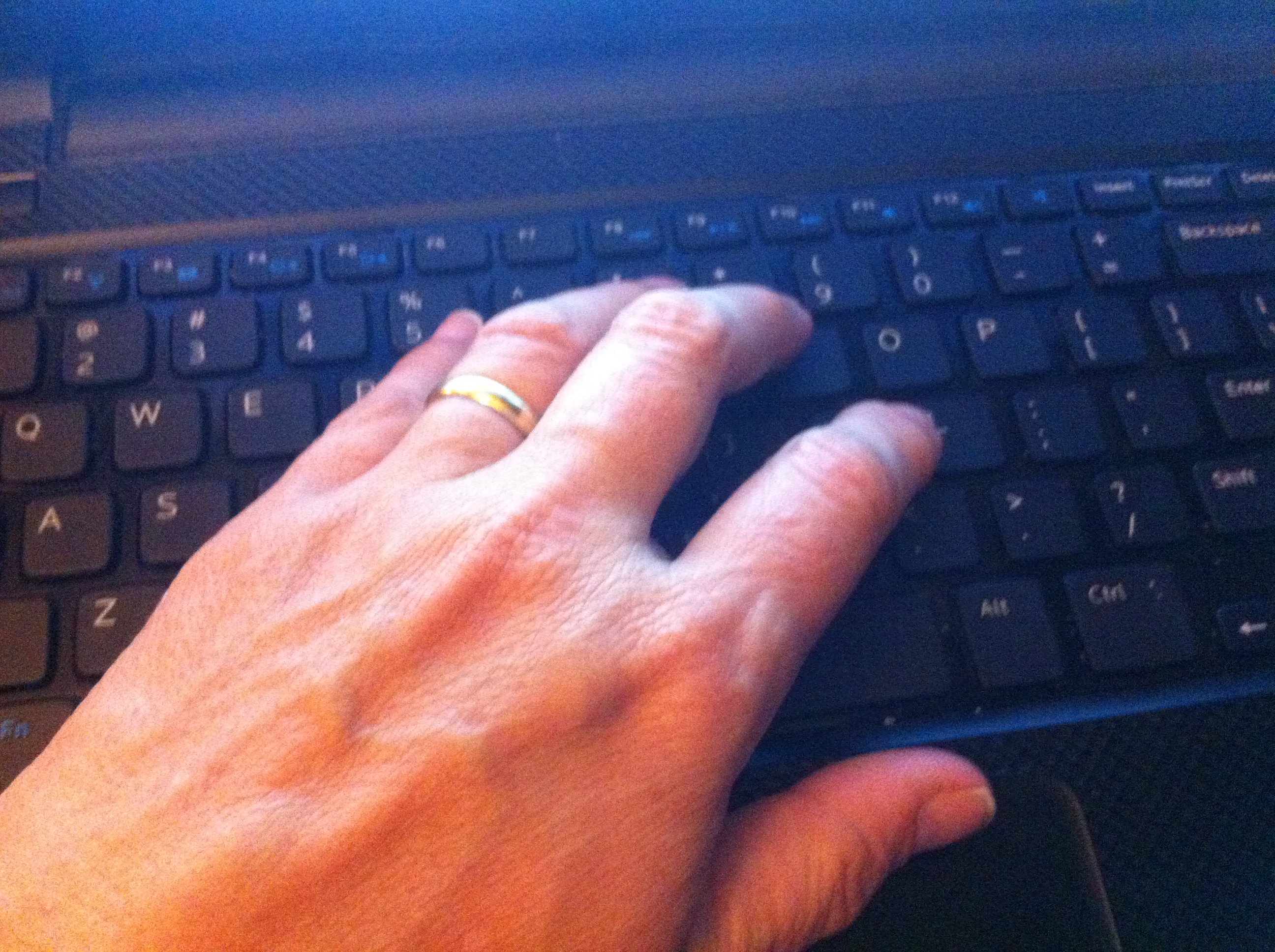
I looked down and realized that, despite my best efforts to never have my mother’s hands, I had failed.
Growing up, I was always very aware that my mother’s hands didn’t look like those of my friends’ mothers.
Her fingers never sparkled with jewelry or nail polish. The only ring she ever wore was a simple gold band on her left hand, and her nails were always cut short so dirt couldn’t accumulate under them. She never considered polishing them, and, as a teenager, I brought the first bottle of nail polish into our house.
Neither were my mother’s hands soft. They were rough from all the tasks she required of them.
And she required a great deal.
When I was a child, she always had a meal on the table, her house was always spotless and the laundry was always done and hung on the line to dry. She canned and froze the vegetables and fruits my dad grew in his large garden and she sewed almost all the clothes I wore. She made bread from scratch and biscuits from memory. As a Girl Scout leader, she taught me how to start a fire, put up a tent and forge a trail. And when she wasn’t being a mom, she was a photographer and a journalist. She dragged my brother and me from everything to train wrecks to hippie communes to worm farms.
By the time her day was over, she didn’t have the time, energy or interest to soak her hands or massage them with lotion. Her hands were too busy turning the pages of a book.
I was an adult before I realized that I had no reason to be embarrassed by my mother’s hands. They were simply a reflection of whom she is, which isn’t whom I am at all.
I don’t like to cook, and my house is never spotless. I haven’t canned or frozen any vegetables since she stood at my side teaching me. And I refuse to sew anything.
And yet, as heredity would have it, I now have my mother’s hands not because I have labored as she did but because I have labored in my own ways.
My hands, like her hands, are rarely idle. My hands, like her hands, have chosen meaningful work over vanity. And my hands, like her hands, have taken care of two children in the best way they know how.
As I look down at my hands now, I am no longer shocked or even bothered. Instead I am proud that they reflect who I am: one in a long line of women who are true to themselves, true to their families and true to their beliefs.
Even if we aren’t true to fashion.
365 Reasons To Smile – Day 263
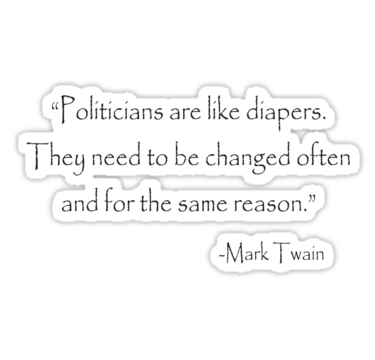 My first exposure to Mark Twain was the Disney version of Tom Sawyer, which starred my childhood crush Johnny Whitaker.
My tastes and my appreciation for Mark Twain have changed over the years.
But Mark Twain quotes still make me smile.
Day 263: Mark Twain Quotes Day 262: Old-fashion Fun Day 261: The Far Side Cartoons by Gary Larson Day 260: Nostalgic Theme Songs Day 259: Appreciating Life’s Rewards Day 258: Awkward Conversations With Strangers Day 257: The arrival of Spring Day 256: Being Saved by Buffy the Vampire Slayer Day 255: Thoughtful Husbands Day 254: The Pot of Gold at the End of the Rainbow Day 253: When Kids Want to Clean Day 252: Conversations in Cars Day 251: Winnie the Pooh and the Blustery Day Day 250: Bonnie Bell Over-sized LipSmackers versus Egg-Shaped Eos Lip Balm Day 249: Watching Those I Cherish Sleep Day 248: Getting Back on My Bike after the Longest Winter ay 247: “Don’t Worry. Be Happy.” Day 246: Multiple Reminders of Beauty Day 245: Being Nice to Total Strangers Day 244: The Perfect Phrase Day 243: Little Girls With AttitudeDay 242: The Soup Nazi Day 241: Contagious Smiles Day 240: Oklahoma Day 239: Dr. Seuss’ Persistence Day 238: Over-Dependence on Spell Check Day 237: Only 28 days in February Day 236: Genuine Signatures Day 235: Television Personalities Who Don’t Take Themselves Too Seriously Day 234: The Words “Happy Birthday” Day 233: Teenagers Who Care about Their Grandparents Day 232: “Morning Has Broken”Day 231: Avoiding Jury Duty Day 230: Melting Snow after a Long Winter Day 229: Hungry Teenage Boys Day 228: Having a DreamDay 227: Mispronunciations Day 226: Awkward Animal MomentsDay 225: Shaking Hands With Scott HamiltonDay 224: Having an Office With Windows Day 223: Watching Our Children Mature Day 222: Getting the Upper Hand Over Life’s Challenges Day 221: St. Teresa’s Prayer Day 220: Children Who Are True to Self Day 219: Frosted Sugar Cookies Day 218: Children with a Global Perspective Day 217: Enchanted Day 216: Having a “secret weapon” Day 215: Jack and Diane Day 214: The Volkswagen Beetle Day 213: Moments that Can’t Be Recreated Day 212: “The Soul” Quote Day 211: Rubber Ducky Day 210: Tracks in the Snow Day 209: Finding a Penny on the Ground Day 208: Kids who Use Their Manners Day 207: Reminders of Warm Sunny Days Day 206: Dogs Playing in the Snow Day 205: Descriptive Phrases Day 204: Arsenic and Old Lace Day 203: Reminders of Resiliency Day 102: Stephanie’s Ponytail Day 201: Being Asked to Help Day 200: Boys and Their Toys Day 199: The Most Important Person Day 198: People With Courage to Do What is Right Day 197: Being Pleasantly Surprised by My Children Day 196: Being Told I’m Young Day 195: Good News Day 194: Meaningful Eye Contact Day 193: A Sense of Accomplishment Day 192: Growing Into the Person I’ll Someday Be Day 191: Matt Groening Day 190: Tuning Out Bad News and Tuning In to What We Enjoy Day 189: Parents Who Encourage Independence Day 188: Watching Young Minds at Work Day 187: Funny Phone Calls Day 186: Healthy Lungs Day 185: Reality Checks Day 184: Coincidence Day 183: Lame Attempts to Go Retro Day 182: Learning From Our Mistakes Day 181: Goofy Childhood Memories Day 180: A soak in a bathtub Day 179: Optimism Day 178: The Year’s Top Baby Names Day 177: Reading on a Rainy Day Day 176: “Don’t Stop Believin'” by Journey Day 175: Watching the Torch Pass Day 174: Converse Tennis Shoes Day 173: Family Acceptance Day 172: Christmas Day 171: The Mr. Grinch Song Day 170: Positive People Day 169: Watching Movies From my Childhood With My Kids Day 168: Jealous Pets Day 167: Family Christmas Recipes Day 166: Church BellsDay 165: School Holiday 164: Unexpected Grace Day 163: Letting Go of Things We Can’t Control Day 162: Anticipating a good story Day 161: Hope Day 160: When Dogs Try to Avoid Embarrassment Day 159: Surprises in the Mail Day 158: Kids who aren’t superficial Day 157: A Garage on Winter Days Day 156: Real Christmas Trees Day 155: Being a Parent Day 154: Selfless People Day 153: Nelson Mandela Day 152: Memorable Road Trips Day 151: Great Neighbors Day 150: Oscar Wilde’s quote about being yourself Day 149: Love Letters Day 148: The first day of Advent Day 147: The Breakfast Club Day 146: Marriage and Shared Anniversaries 145: JFK’s quote about gratitude Day 144: Watching My Dog Play Day 143: Having my Family’s Basic Needs Met Day 142: When Our Children Become Role Models Day 141: Random Acts of Kindness Day 140; People Watching Day 139: Sharing Interests with My Children Day 138: Eleanor Roosevelt’s Best Advice Day 137: Weird Human Behavior about Garbage Day 136: Postcards from Heaven Day 135: Mickey Mouse Day 134: Generous Souls Day 133: I’m Moving On Day 132: A Family That is Really Family Day 131: A Personal Motto Day 130: Mork and Mindy Day 129: The Bears’ House Day 128: Veterans Day 127: Doppelgangers Day 126: Letting Life Unfold as It Should Day 125: The Constantly Changing Sky Day 124: When History Repeats Itself Day 123: The Love Scene in The Sound of Music Day 122: Helen Keller Day 121: The Welcome Back Kotter Theme Song Day 120: Sheldon Cooper Day 119: Having Permission to Make Mistakes Day 118: A Diverse Group of Friends Day 117: Family Traditions Day 116: The Haunting Season Day 115; Life Experience Day 114: Changes Day 113: The Wooly Bear Caterpillar Day 112: The National Anthem Day 111: Parents Who Care Day 110: Good Friends Day 109: My Many Colored Days by Dr. Seuss Day 108: A.A. Milne QuotesDay 107: Spending Time Wisely Day 106: Parades Day 105: The Peanuts Gang Dancing Day 104: Sharing a Secret Language Day 103: The Electric Company Day 102: Doing the Right Thing Day 101: When Siblings Agree Day 100: Being Optimistic Day 99: Trying Something New Day 98: The Sound of Children on a Playground Day97: Good Advice Day 96: Red and white peppermint candy Day 95: The Soundtrack from the Movie Shrek Day 94: Accepting Change Day 93: True Love Day 92: Camera Phones Day 91: Bicycle Brakes Day 90: HeroesDay 89: The Cricket in Times Square Day 88: The Grand Canyon Day 87: Unanswered Prayers Day 86: Apples Fresh from the Orchard Day 85: Being Human Day 84: Captain Underpants Day 83: The Diary of Anne Frank Day 82: In Cold Blood Day 81: Roll of Thunder, Hear My Cry Day 80: The Outsiders Day 79: I Know Why the Caged Bird Sings Day 78: The First Amendment Day77: People Who Touch Our Lives Day 76: The Rewards of Parenting Day 75: Improvements Day 74: Family Traditions Day 73: Learning From Our Mistakes Day 72: Live Music Day 71: Sleeping In Day 70: Grover Day 69: A Good Hair Day Day 68: A Sense of Community Day 67: Kindness Day 66: Living in a Place You Love Day 65: Gifts from the Heart Day 64: The Arrival of Fall Day 63: To Kill a Mockingbird Day 62: Green LightsDay 61: My Canine Friends Day 60: Differences Day 59: A New Box of Crayons Day 58: Bookworms Day 57: Being Oblivious Day 56: Three-day Weekends Day 55: A Cat Purring Day 54: Being a Unique Individual Day 53: Children’s Artwork Day 52: Lefties Day 51: The Neighborhood Deer Day 50: Campfires Day 49: Childhood Crushes Day 48: The Words “Miss You” Day 47: Birthday Stories Day 46: Nature’s Hold on Us Day 45: Play-Doh Day 44: First Day of School Pictures Day 43: Calvin and Hobbes Day 42: Appreciative Readers Day 41: Marilyn Monroe’s Best Quote Day 40: Being Silly Day 39: Being Happy Exactly Where You Are Day 38: Proud Grandparents Day 37: Chocolate Chip Cookies Day 36: Challenging Experiences that Make Great Stories Day 35: You Can’t Always Get What You Want Day 34: Accepting the Fog Day 33: I See the Moon Day 32: The Stonehenge Scene from This is Spinal Tap Day 31: Perspective Day 30: Unlikely Friendships Day 29: Good Samaritans Day 28: Am I a Man or Am I a Muppet? Day 27: Shadows Day 26: Bike Riding on Country Roads Day 25: When Harry Met Sally Day 24: Hibiscus Day 23: The Ice Cream Truck Day 22: The Wonderful World of Disney Day 21: Puppy love Day 20 Personal Theme Songs Day 19: Summer Clouds Day 18: Bartholomew Cubbin’s VictoryDay 17: A Royal Birth Day 16: Creative Kids Day 15: The Scent of Honeysuckle Day 14: Clip of Kevin Kline Exploring His MasculinityDay 13: Random Text Messages from My Daughter Day 12: Round Bales of HayDay 11: Water Fountains for Dogs Day 10: The Rainier Beer Motorcycle Commercial Day 9: Four-Leaf Clovers Day 8: Great Teachers We Still RememberDay 7: Finding the missing sock Day 6: Children’s books that teach life-long lessonsDay 5: The Perfect Photo at the Perfect Moment Day 4: Jumping in Puddles Day 3: The Ride Downhill after the Struggle Uphill Day 2: Old Photographs Day 1: The Martians on Sesame Street


 Just So You Know