Category Archives: Uncategorized
How I’d Shake Up the Presidential Debates
 This Wednesday, when President Barack Obama and former Massachusetts Governor Mitt Romney square off in the first in a series of three debates, I’ll be watching for entertainment purposes only.
Despite all the hype, I have absolutely no expectation that anything either candidate says will sway my opinion. They will both be so scripted, so practiced and so focused on performing that their potential to impact my life will seem irrelevant. And even after they stop talking, the pundits will step in to add their spin.
The debates, like so many other events that used to be newsworthy, have become staged productions with limited genuine content.
What I need is honesty. I don’t need platitudes or great sound bites. I need heartfelt discussion and genuine opinions.
If only I were in charge of the debates.
If I were, both candidates would be injected with truth serum before they could answer even one question. I’d also be asking my own questions. I already have a list:
1. If your household income were $50,502 (the median household income in the United States in 2011), describe how you would budget your money to pay for housing and health care, ensure your children received an excellence education and save for emergencies.
2. Describe a situation when you “pulled yourself up by your bootstraps” when the odds were against you, if anyone helped you and what resources you used.
3. Who really influences your political decisions?
4. Do you think there are deserving and undeserving people? If you think there are undeserving people, who are they?
5. What is the biggest lie you or your party has told about the other candidate?
6. What do you think are the biggest differences between men and women? (The ability to give birth doesn’t count.)
7. How would you ensure that every child in America actually received a comparable education?
8. Describe what’s wrong with Congress and how you would attempt to fix it.
9. Describe your understanding of a typical week for an average American.
10. Why do you really want to be President of the United States?
I realize that my questions aren’t particularly politically savvy or intellectually stimulating, but when answered truthfully, they would definitely shine light on which candidate could best lead America.
The Backside of a Bull and a Garden Full of Rodents
 I had an unexpected epiphany after spending time with a bronze bull and a garden full of rodents in the financial district of New York City last month.
The moment came at the end of a long weekend celebrating my daughter’s upcoming birthday. She, her best friend, her best friend’s mother and I packed a lot into 48 hours. By Sunday morning, when we were exploring Lower Manhattan, we had slowed considerably.
The city, on the other hand, wasn’t slowing down at all. People crowded narrow sidewalks under the watchful eyes of police officers on every corner. While the officers graciously responded to requests for photos with tourists, their ability to give good directions was questionable.
Despite their help, we were finally able to locate the Charging Bull on Wall Street. Since the bull had never been on my list of sites to see, I hadn’t expected the frenzy of people mobbing it for photos. Many were lined up behind the bull to touch its anatomically correct underside for good luck.
The eleven-foot-tall bronze sculpture is supposed to symbolize aggressive financial optimism and prosperity. Last year, when the Occupy Wall Street protests began, metal gates were set up around the bull to prevent it from harm. Now, the public can once again touch it, but judging by the police presence, there’s still concern about the safety of the more than 7,000 pound bull.
Personally, I think the concern about vandalism is a bit misplaced. I’m more worried about the almost worship-like reverence people demonstrate for an icon that represents an industry focused more on the value of money than the value of people.
Don’t get me wrong. I like money. I just think that, as a society, we’re too fixated on who has it and who doesn’t.
To me, the bull represents a culture rooted in money and the immense appeal that has. But when people go to great lengths to touch that lifestyle, they may miss seeing what’s really going on around them.
 For example, just feet from the Charging Bull, there’s a garden full of rodents living off the crumbs of others. The mice live among the vivid red flowers in the circular garden around the fountain in Bowling Green Park where we ate our lunch.
What seemed like a quiet public garden was actually teaming with dozens, if not hundreds, of mice. When bits of bread, meat, tomatoes and even cucumbers dropped, they would scurry out from under the blossoms, grab their feast then rush back for cover.
Many of the people intent on enjoying the beautiful, late morning sunshine didn’t even notice the mice. Others were completely disgusted by them. No one wanted to touch them, and very few people wanted to feed them.
But my daughter and I were fascinated.
Although seemingly dependent on others for their livelihood, the mice certainly weren’t lazy. In fact, the were quite industrious. And even when vying for the same crumbs, they seemed to respect each other’s efforts.
That’s when I had my epiphany.
The mice represent all the low-income people who live and work right alongside those who are more financially secure and influential. They represent all those people on Wall Street who clean bathrooms and pick up trash instead of buying and selling stocks and bonds.
And even though they live in the shadow of a bull that people fondle for good luck, they also represent a great deal of dignity.

People Are Not Measuring Devices
I’ve been feeling rather sorry for Condoleezza Rice lately, and my sympathy has nothing to do with the fact that she will be forever associated with the George W. Bush administration.
I feel sorry for her because so many people want to turn her into a measuring device.
 After her speech this past Wednesday at the Republican National Convention, the rhetoric started:
“How can the Democrats claim there is a war on women? Condoleezza Rice proves that’s just propaganda manufactured by liberals who are pandering for women’s votes.”
“Condoleezza Rice demonstrates that any woman can succeed if, instead of relying on the government, she just applies herself.”
While I take issue with those statements, I have no problem with the woman who inspired them. I admire Condoleezza Rice. She’s a smart, accomplished and successful woman. Even though I may not always agree with her politics, I do believe she is a fantastic role model for young woman across our nation.
I just don’t believe that she’s a yardstick .
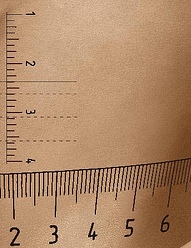 The notion that all women should measure themselves against Condoleezza Rice, or any other woman, is ridiculous and damaging.
I’ve spent most of my life trying to break my innate tendency to compare myself to other women. I’ve compared my looks, my body, my talents, my personality, my lifestyle and my parenting skills to others. Instead of embracing my unique blend of strengths, weaknesses, quirks and experiences, I simply saw my flaws and failures. I don’t want that for my daughter or for any other female. And I don’t want them to judge women who don’t possess the talent, intelligence or opportunities to achieve what others may define as success.
Yet they are hearing that, because some women have reached the top, all others have to do is simply “try harder.”
That was certainly the message from those who opposed the Lilly Ledbetter Fair Pay Act.
If only working hard were a guarantee of an adequate paycheck and the appropriate recognition. In reality, the workplace is a harsh and very unfair place. I’ve worked hard only to watch those who didn’t zoom right by me. I’ve seen pretty women take advantage of their assets and maneuver their way past others into better jobs and higher paychecks. And I’ve seen the “good old boy” network benefit those who already had the advantage.
While great strides have been made for women in the workplace, the dollars still tell the story. In 2010, the U.S. Census American Factfinder indicates that 17.9% of families with children were living below the poverty level. That number jumped to 39.6 for families with a female head of household. Despite the increase in the number of men who are taking on active parenting and caregiving roles, nothing will ever change the fact that women are the ones who get pregnant and give birth. And now, their ability to even make decisions about that has been under fire by people such as Missouri Congressman Todd Akin, who doesn’t even understand the biology of conception.
Condoleezza Rice has never married nor had children. I have no idea–nor is it any of my business– whether this was a conscious decision or just the result of the many choices she made throughout her life. I do know that she never had to make arrangements for child care, leave work early to pick up her child at school or miss important meetings when a child was sick.
And I’ve never heard anyone claim that she was an underachiever or compare her to women who have careers and children.
But maybe that’s because some yardsticks are defective and only measure what the user wants them to show.
My Lifetime Battle with the Big, Yellow School Bus
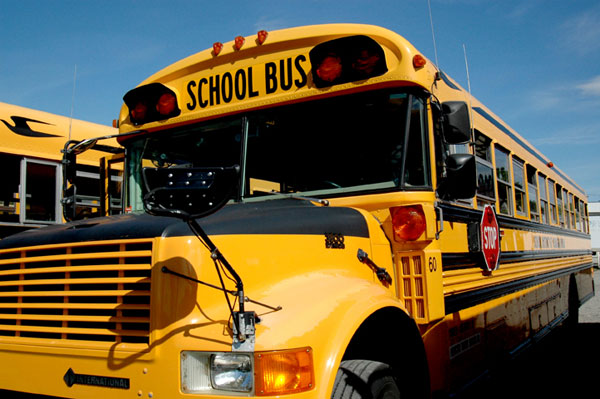 This Monday, my son starts high school and my daughter starts middle school.
I could grieve how quickly the years have flown. I could pull out baby pictures and wallow in nostalgia. I could reminisce about how, just yesterday, my son was starting kindergarten.
Or I could celebrate that, because both of my children are attending school out of district, my epic battle with the big, yellow school bus may just finally be over — permanently.
The battle began when I was in first grade. Having spent kindergarten walking to school, I was ecstatic that we had moved to a house that required riding a school bus.
My enthusiasm didn’t last long.
The problems started on the first day of school when I thought I could handle the bus ride all by myself. And I did. Going to school was simple. The bus picked me up in front of my house and dropped me off at school. My biggest challenge was getting to my classroom.
Going home proved a bit more difficult. I got on bus number 25, rode it to my street and rode it to my house. I then rode it past my house because my timid calls to stop weren’t heard over the din of bus chatter. Even though the bus failed to stop at my house, it did seem to stop at almost every other house in the county. When her route finally ended, the bus driver turned around, gave me a pointed look and asked me where I lived.
I proudly declared my well-memorized address “1910 Bean Drive.”
The bus driver did not look happy. “We went right past there. Why didn’t you get off?”
“Because you didn’t stop,” I replied.
Without a legitimate comeback, the bus driver had to make a decision. She’d take me home on her next run. Surrounded by kids two or three times my age and size, I finally made it home to an almost hysterical mother.
I wasn’t used to my mother being so worried. I was used to my mother being in control of every aspect of my life… including what I ate. And while I pined to have a lunch box with a bologna sandwich on white bread and ding dongs like all the other kids, my mom packed a very different lunch. Ever day I carried a brown bag (that she ask I bring home to be recycled) with a peanut butter (no added sugar) and honey sandwich on home-made wheat bread, carrot sticks, an apple and powdered milk in a square container with a lid (no thermos for me).
I hated that milk. I never drank that milk. But day after day, my mom packed it in a brown paper bag and day after day I carried the brown bag and the container still full of milk home from school.
Then, the inevitable happened, and I dropped the bag onto the floor of the school bus. The milk, which was already at room temperature, spilled everywhere. The bus driver was not at all pleased with me, so I should have known the situation would get even worse. And it did.
Only weeks later, my mother put her car in the shop near my school and needed a ride home. Being practical, she arrived at my school just as classes were ending and climbed onto bus number 25 with the first and second graders. At least she tried to climb on the bus, but the driver wouldn’t let her.
My mother insisted that there was plenty of room and the bus was going right to our house anyway. The driver told her no. After what seemed like the longest argument (and one of the most embarrassing moments of my life), the principal finally came over to settle the matter.
My mother had to find her own way home.
I’m pretty sure that was the day my name was officially added the national school bus “beware of this student” watch list. (That’s the list distributed nationwide to every single school bus driver.)
The list is the only explanation as to why, even after I moved across the country, the new school bus driver didn’t like me either.
In that case, the feeling was mutual. I had no respect for a woman who, instead of looking at the road, was constantly looking in the mirror to see what the kids were doing. After a few very close and dangerous calls on winding, West Virginia roads, my friend and I decided we’d had enough and organized a protest. We told everyone on the bus to duck down below the backs of the seats. The next time the driver looked in the mirror, her bus appeared empty.
We though this was hilarious. Our bus driver didn’t. In fact, she was so angry, she stopped the bus and marched up and down the aisle taking names and phone numbers Once she got mine, she seemed satisfied in learning that the girl on the national watch list was the culprit. What she didn’t expect was that my parents sided with me. They didn’t, however, think the incident warranted a life-time pass from riding the school bus, and I was still forced to ride for a couple more years.
But now, my days on the bus have come to an end, and, except for a few field trips, they have ended for my children as well.
Like so many other parts of childhood, all that is left are the memories and the lessons learned. Now it’s time to make more memories and learn something new. I’m just glad that neither is likely to involve a big, yellow school bus.

A Country Road, a Locked Gate and Barriers to Endless Possibilities
 I can be pretty slow at times, especially when I ride my bike. But that’s not necessarily a bad thing. As the only person actually peddling on a road where others are simply pushing a gas pedal, I notice a lot.
For the past couple years, I’ve been regularly riding on a country road that gives me a great deal to think about:
A plowed cornfield with only one stalk left standing;
A barn with what appears to be an old American flag I can’t identify;
And a gate that, for all I can tell, is completely ineffective.
The gate crosses a gravel road that runs between two fields. Until this week, green stalks of corn filled one of the fields, while the other had no discernible crop. This week, both were plowed. So the road now runs, and eventually dead ends, between two muddy, empty fields.
Other than providing farm workers easy access to the fields, the road doesn’t serve much purpose. It certainly doesn’t lead anywhere interesting or provide enough privacy to be a lovers’ lane. Because of that, the importance of a locked gate with a fading private property sign eludes me. Since there is no fence on either side, the gate isn’t really preventing anyone from simply driving around it.
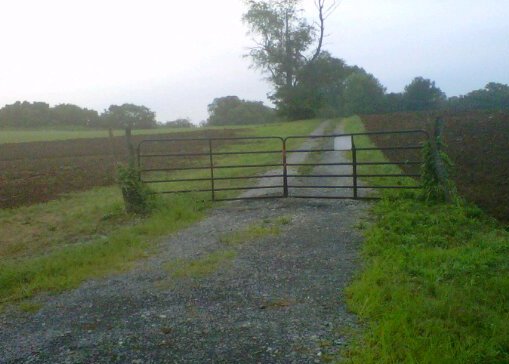 After passing the gate day after day, I finally took a picture and posted it on Facebook with a question about its purpose. I got a variety of responses ranging from people who took the question seriously to those who didn’t.
The general consensus was that there had probably been fences around the fields at some point. When they were torn down, the gate stayed to mark private property.
While this concept still puzzles me, it also reminds me of human behavior in general: we often tear down fences but leave gates standing.
We say we believe in equal rights and demonstrate this by tearing down barriers for others. Yet we still leave up gates to protect what we believe we earned or deserve and fear others may access or take away. Sometimes these gates are words. Sometimes they are the policies we support. And sometimes they are even religious beliefs.
But whatever the reason, the gates are there. And, just liked the locked gate I pass every day on my bike, they provide a false sense of security for some and serve as a challenge for others.
At times, I know I’ve protected my own gates. But the rebel in me also spends a lot of time thinking about how to get around gates. And I admit, there have been many times when riding my bike on the country road, I’ve been tempted to ride around the gate. The silliest thing is I would have no desire to ride on the gravel road if the gate weren’t there. I certainly don’t want to cause any problems or do any damage.
But then, I don’t think people who are seeking greater opportunities have any desire to trample on the achievements of others. They just know the possibilities would be endless if they weren’t constantly slowed down by so many locked gates.
Fools On An Artificial Ladder
 Even though I like to consider myself an open-minded and fairly accepting individual, I haven’t always behaved in a manner that demonstrates this. In fact, there are times when I’ve acted foolishly and treated people horribly.
One of my worst infractions occurred when I was a teenager in a place that was supposed to promote love and acceptance: church.
At the time, our church was predominantly middle class. Parishioners were well-groomed, nicely dressed and carefully coiffed when they arrived on Sunday morning. Most were neighbors or co-workers who socialized with the same general crowd and who shoveled their dirty laundry into the closet to either hide it or pretend it didn’t exist.
Their equilibrium was disrupted one Sunday when a family from a nearby trailer park came to church and then began attending services on a regular basis. The parents and children were certainly wearing their Sunday finest, but they were anything but well-groomed and carefully coiffed. I remember the other adults at church were a bit patronizing but outwardly nice. The kids weren’t. We did our best to exclude the children, and we made fun of them behind their backs.
Eventually, the family stopped coming to church, and until recently, I had forgotten about them.
But I was reminded of them again a couple of weeks ago when a young woman who works at a local restaurant told me about her Sunday regulars. Her customers’ routine is to go out to eat after Sunday service, but the dish they enjoy most isn’t on the menu. Instead, they loudly and openly share what everyone else did wrong during the church service. They complain about children who misbehaved, and they make fun of the appearance of some of the adults. Apparently, they are too busy judging others to hear the sermon.
What I can’t fathom is why, as older adults, they feel the need to act this way.
As an adolescent, I know my behavior was contrary to the way I was raised. But, I was insecure and believed that I wouldn’t be at the bottom of the social ladder if someone else were there instead. As an adult, I realize how inconsequential, meaningless and ridiculous that social construct is. I also realize that there are a lot of adults who still buy into it. They falsely believe some people are superior to others and that asserting their superiority will ensure their place on their senseless social ladder.
For the most part, their behavior isn’t nearly as blatant as the hypocritical, church-going restaurant patrons, but it is still based on their need to affirm their status. Take, for example, a local non-profit leader who complained about business people being asked to attend community meetings at the local Department of Health and Human Resources office. This individual, who also lays claim to being a good Christian, said that community and business leaders shouldn’t have to be in the waiting room with the people asking for help/welfare.
Not to be presumptuous, but I’m pretty sure Jesus would point out that the people in the waiting room are the same people the community leaders see every day at school functions, churches and grocery stores and that the people on the presumed top of the social ladder are no closer to God than the people on the bottom. That’s assuming he would even acknowledge such a foolish concept to begin with.
Revelations from a Former Republican
 During a recent conversation, I shocked a friend when I mentioned that, when I turned 18, I had registered to vote as a Republican.
“You were NOT a Republican,” she stated. “There is just no way.”
“Not just a Republican,” I replied. “I was actually heartbroken that, because of my age, I missed voting for Ronald Reagan by only three months in the 1984 election.”
Since I was talking to my friend on the phone, I can’t confirm that her mouth was actually hanging open, but I’m pretty sure it was.
“What happened?” she finally asked.
“I don’t know exactly,” I replied. “But by the time I graduated from college, I’d changed political parties.”
In all honesty, I do know what happened. I’d identified the core values that would guide the rest of my life, and they simply just didn’t align with the Republican Party.
I don’t think my friend, or anyone else, really cares about how I arrived at my decision. And, until this past week, I didn’t feel any need to explain.
But after witnessing one too many debates about how people who receive SNAP (more commonly known as food stamps) may be eligible for additional benefits if they were affected by the derecho (http://www.catholiccharitieswv.org/index.php?option=com_content&view=article&id=300%3Awv-long-term-disaster-recovery-derecho-storm-a-power-outage-disaster&catid=45%3Aannouncements&limitstart=1), I felt the need to say something.
On the surface, the gist of the conservatives’ argument against the additional benefits was that the government was once again frivolously spending taxpayers dollars.
But, as the arguments continued, a different, more self-centered concern actually emerged. Several people were turning the discussion into a conversation about fairness, or more particularly unfairness, in regards to their own lives: ” I lost all my food when the power went out, and no one is paying me to replace it.” “I have a lot of health care bills, and the government isn’t stepping in to help me.” “Basically, I’m being punished for having a job. ”
Sadly, I could relate to their complaints. That kind of thinking was the reason I had originally registered a Republican.
At the age of 18, I really did believe that everyone had an equal opportunity in this country, and if a person worked hard and persevered, they should be able to meet their own needs. If they couldn’t make ends meet, they needed to work harder or get a better education to get a better job. I believed in responsibility: if people made bad decisions then they, not I, should have to pay for those decisions. And I believed that our leaders had our, not their own, best interests at heart.
I held onto those beliefs because I was surrounded by people who believed the same thing. Then I went to college, and I was surrounded by people who didn’t.
I met too many people who had been denied equal opportunity through no fault of their own. I met too many people who had made poor decision after poor decision only to be bailed out by family while others fell into bad luck and had no one who could help. I learned more and more about greed, inequality and political corruption. And I learned more about myself.
At some point, I was confronted with the ultimate question: is life about what I can do for myself or is it about providing unconditional support for others, even when it sometimes costs me?
I chose the latter.
Don’t get me wrong. I can be very self-centered, and I know a lot of Republicans who are anything but selfish.
I just don’t think the core of my political beliefs should be about what makes my, or my family’s, life better or easier. I think public policy should be about ensuring the safety and well-being of all Americans, particularly those who haven’t had the same privileges that I’ve had: good parents, a good education, a decent I.Q. and a lack of any significant health problems.
When I look back on 18-year-old me, I still understand where I was coming from.
I still think people should do their best and be responsible for their behavior. I also think corporations and millionaires should do the same.
I still believe in hard work and self discipline. I also believe that too many people work very hard and still don’t get paid a fair wage so they can’t make ends meet.
I still wish life were fair. I also realize that making life more fair for everyone requires public policies that provide additional support for those who need it.
The difference between 18 year-old me and 45 year-old me is I don’t think the world owes me anything. Instead, I think I owe the world. The difference is I know some people put their own interests above the interests of others, even when it comes to the environment or safety or health. And I know that the most effective way to ensure such people do minimal damage is to implement and enforce regulation.The difference is that even though I don’t agree with wasteful spending, the wasteful spending I’ve seen isn’t for the programs intended to make the lives of most Americans better.
The difference is that I have enough life experience to know that life isn’t about being fair.
And that’s why I got so frustrated with the debate about additional SNAP/food stamp assistance. The debate wasn’t about whether people needed the assistance. Instead, it was a debate about fairness. I’m pretty sure if you asked the majority of people who were eligible to receive the help, they would be the first to tell you life isn’t fair. If it were, they’d be fortunate enough to afford to replace their own groceries while complaining about those who couldn’t.
The Dog, the Derecho and Me

The fence around the pool where we had been swimming minutes before the derecho hit. It literally looks like a whole section was just lifted up.
Living in West Virginia, I’ve been fortunate to escape dealing with any significant natural disaster. That’s probably because floods are the most common disasters in the Mountain State, and since I’ve never lived in a floodplain, I’ve never had to experience one.
But over the past few years, I’ve had warning signs that my time was up.
In 2010, about four feet of snow fell in four days. I spent that week shoveling snow while my husband spent that week in a hotel in D.C. at the courtesy of his employer.
Last October, we were hit with an abnormal autumn snow that knocked down 2 1/2 trees in my yard. While I was listening to the cracking of limbs and the thump of trees, my husband was in D.C. working.
With these warning signs, you’d think I’d have been preparing to handle a real disaster on my own. Instead, I chose to ignore the signs. That’s probably because I’m a complete wimp when it comes to any kind of danger I can’t control. At such times, I always grab my dog and hold on tight.
Last Friday night, I almost suffocated my poor dog.
My neighbors had gone out for the evening, so I was at their house keeping an eye on our ten year-old daughters and our dogs… my German Shepherd and their Golden Retriever. Since it was extremely hot, all of us spent at least some time in their pool.

My neighbor is worried about letting her dog run in the backyard since there is now a big hole in her fence.
At some point, I commented that the sky had gotten unusually dark. I probably shouldn’t have listened to a ten year-old who told me that was normal, but I hadn’t heard that we were in for any severe weather.
So, when lightning began to flash in the distance, all activities moved to the “pool room.” I worked on my blog, the girls flipped through television channels, the dogs romped and the wind blew. And then the rain came and the wind blew harder… a lot harder. Then it began to howl.
Being a weather geek, I checked the radar and saw a dark red mass moving towards my town. Being a naive weather geek, I didn’t get too concerned since I hadn’t heard any sirens or warnings.
My warning came with a roar when the wind blew open the pool room door and raged around the room. The next few minutes are a blur. I remember telling the girls to move into the hall. I remember trying to shut the door. I remember grabbing my laptop, and I remember grabbing both the dogs.
And then the power flickered and went out.
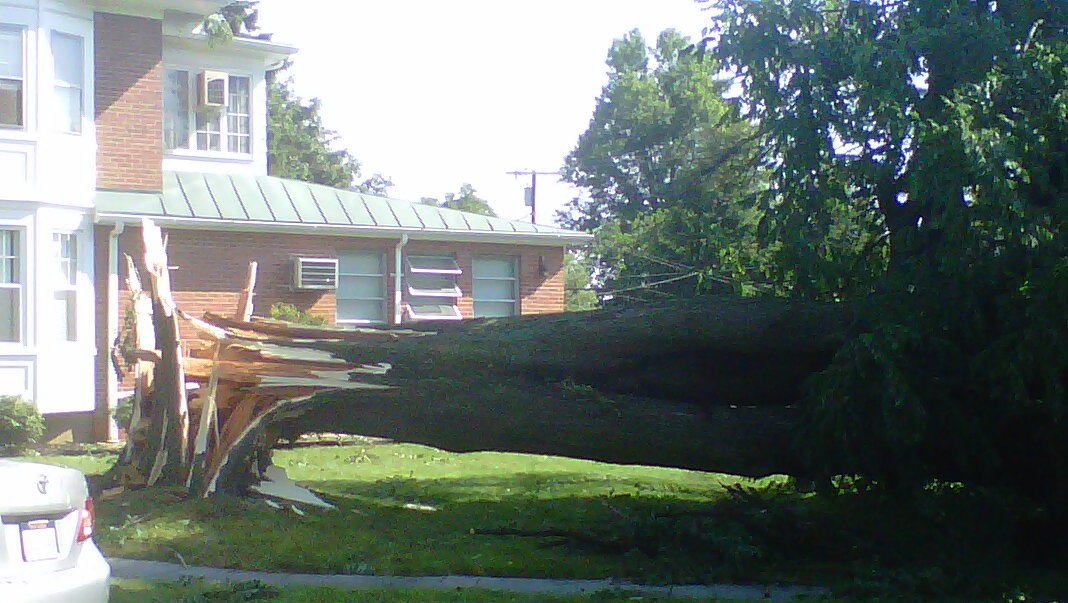
I was surprised at how many trees missed houses and cars… but many landed on roads and utility lines.
We sought refuge in the room of a ten-year old girl. And while I did worry about the girls, I have to say it was the dogs that I held fast. The neighbors’ dog sat in my lap, and my dog stood guard. The girls screamed, lightning flashed and the storm raged. And then, my neighbors’ son and his friend came home. Ever protective, my German Shepherd decided that his barking would be a great addition to Mother Nature’s latest composition.
It wasn’t.
I eventually convinced my daughter that we could dash across the yard to go home, and we spent the remainder of our night in the basement.
By the time my husband went to work shortly after midnight, all the remained of the derecho (also known as a land hurricane) were downed trees, downed power lines and a woman who wouldn’t sleep for days.

This car was entirely covered….
The next morning, my dog and I took our normal walk. Neighbors were already up removing debris from their yards and their roofs.
A common site for the first couple days.
Highway workers had already blocked roads, and Potomac Edison crews were already out trying to repair the damage. And the homeless guy at the park was eating his breakfast in his normal spot.
But nothing seemed normal to me except that my favorite dog was on the end of his leash walking happily over broken branches. He was even willing to pause while I used my Blackberry to document the impact of the derecho on my little corner of the world. He obliged for the next couple days as well.
In retrospect, we were lucky. We were only without power for a couple of days. My parents, who live nearly six hours away but experienced the same storm, still don’t have power. And, even with all the damage, what I’ve noted most is how many tall trees are still standing. For every tree that went down, hundreds more didn’t. To me, that’s nature’s way of reminding us all of how resilient we can be.
And, for the most part, I know I am. As long as I have my dog by my side.

My giant German Shepherd, Rodney, looked so small compared to some of the downed trees.
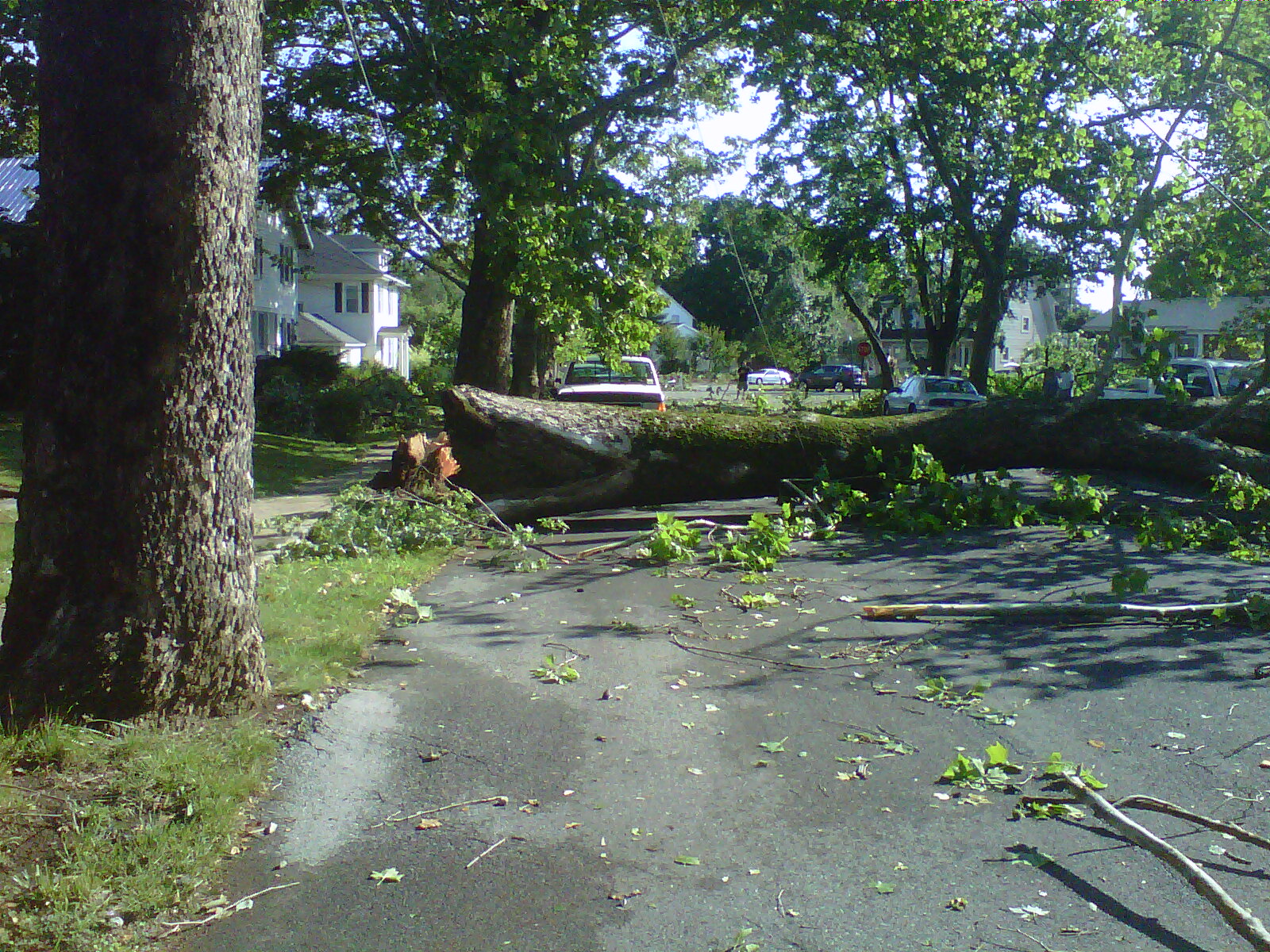
One of many beautiful trees the derecho claimed as victims.
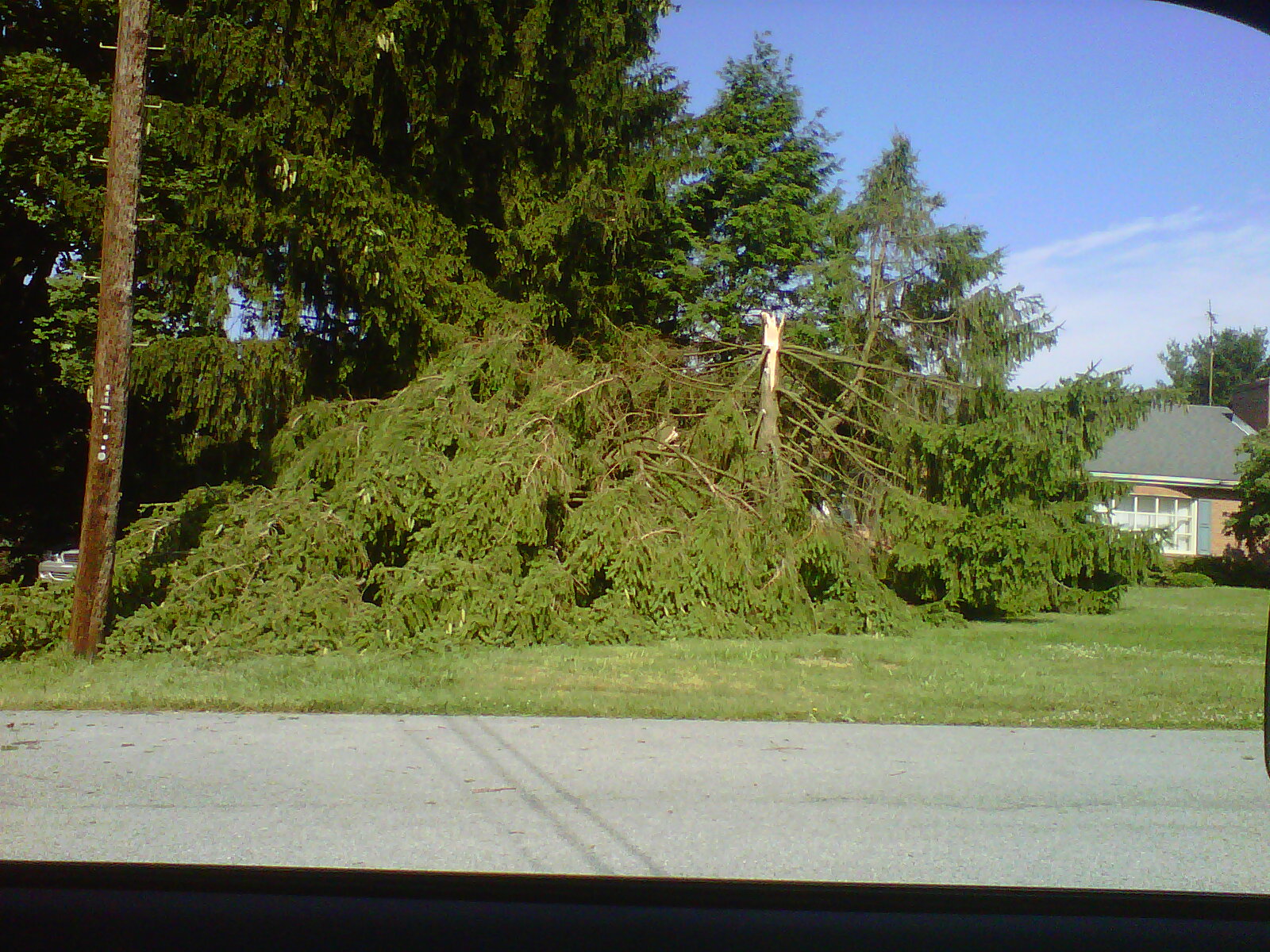
This once beautiful Pine has now been entirely removed from the neighborhood.

The City of Martinsburg is helping out by collecting all the debris residents drag to the curb. Here, Rodney surveys one street in our neighborhood.
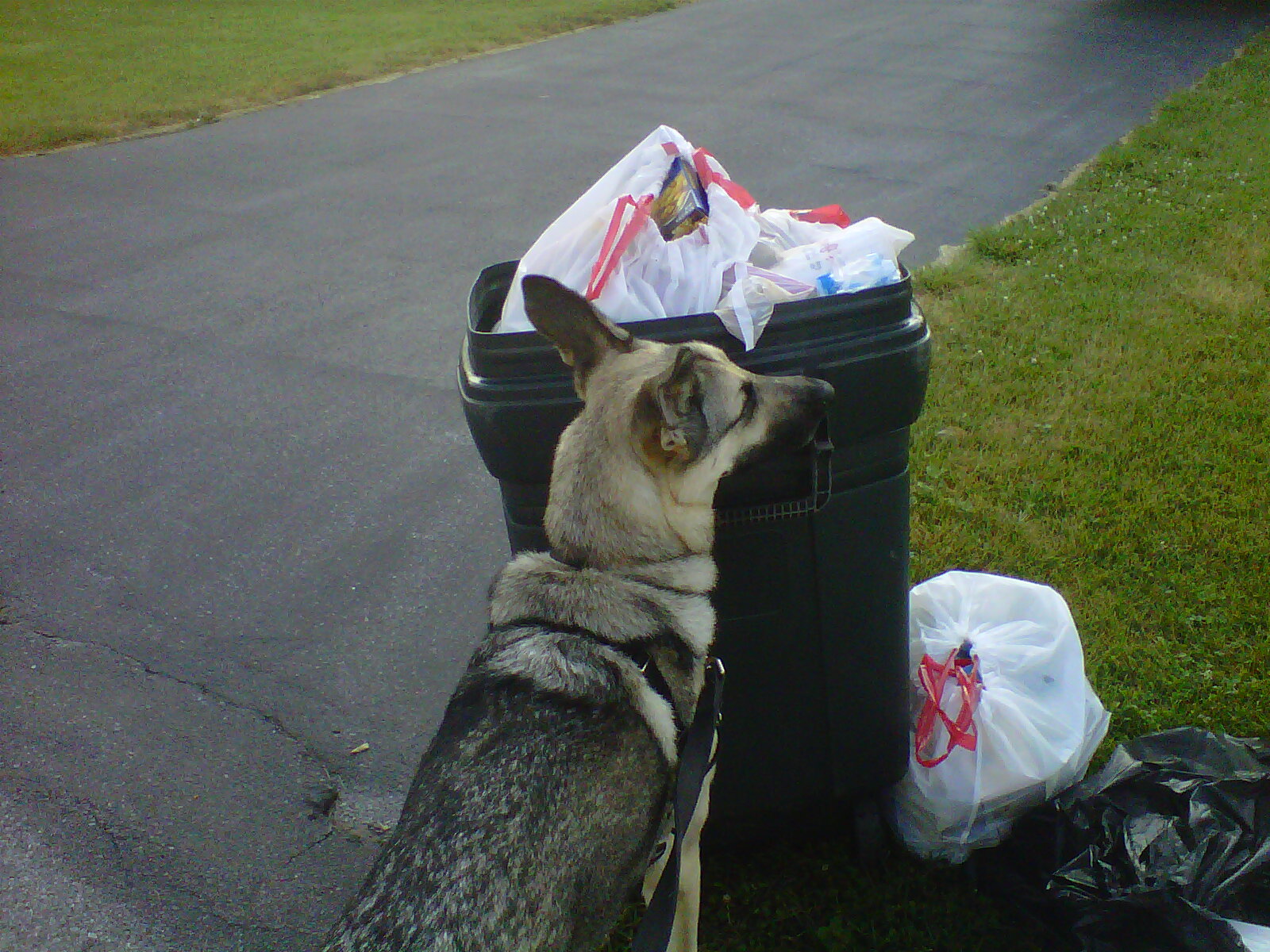
Everyone I know was very appreciative of how hard Potomac Edison worked to restore power. The biggest complaint I heard was how much we all lost when we had to throw away the contents of our freezers and refrigerators.

Rodney was very happy when power and air conditioning were restored. He took a break from all the walking around the neighborhood to sleep on the cool vent.
Burning Down Our House With Debates About Health Care
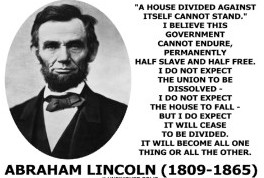 In 1858, Abraham Lincoln made his famous “A house divided cannot stand” speech.
He was debating Stephen Douglas about the issue of slavery. Douglas believed that each new territory or state should be allowed to decide whether it would permit slavery. Lincoln believed that the nation as a whole should take stand. At the time, a lot of people believed whites to be superior to blacks and that owning another person was justified based on skin color and bank account size.
We all know who eventually won that debate. But even after the slaves were free, too many people still believed in a superior race. And, for more than century, too many laws reflected their beliefs.
Now, more than 150 years later, I wonder how history will portray the politics of 2012 when the United States is once again a house divided.
Only this time, instead of being divided over slavery, we are divided about the purpose of government. But there is also an underlying debate very similar to the one being waged during the Civil War.
Too many people still believe that some individuals are superior to others. Only instead of color, they are claiming superiority based on the size of their bank account or their employment status. We have become a country that is debating whether we measure success in terms of dollars or in terms of human rights. We are debating whether accumulating possessions is more important than ensuring access to health care. And we are even debating whether or not poverty is a moral issue.
This has never been more apparent than with the reaction to the Supreme Court’s decision that the Affordable Health Care Act is Constitutional.
The fact that people have different opinions about the decision doesn’t bother me. I expect that. Different opinions are healthy. What bothers me is the judgmental comments and self-righteous outrage that some people expressed.
I was particularly struck by comments from a public school teacher who said the Supreme Court’s decision was immoral. She followed this by saying “I work for a living. I don’t want my hard-earned dollars to support people who depend on the government.”
Since a public school teacher depends on the government (i.e., taxpayer dollars) for her paycheck, I was dumbfounded. I wonder how she would react if the country engaged in a debate about the importance of education and whether we are infringing on taxpayers rights by requiring them to pay for education.
At some point, our country embraced the belief that education is a right that every child deserves. We even took that concept a step further and mandated that children stay in school until a certain age.
If the issue were being debated now, there’s no doubt some people would be screaming that requiring children to go to school is unconstitutional and that hard-working taxpayers shouldn’t be responsible for the education of others.
Thankfully, most people recognize the importance of education, the benefit it has on a person’s future and the positive impact on a community’s economy. The same benefits can be attributed to access to health care, so I’m not really sure why we are so divided about the issue.
But we are.
Instead of debating how to help people, we are debating whether or not we even should. Take, for example, the comments of the previously mentioned public school teacher who claimed the concept of the Affordable Care Act is immoral.
Last time I checked, helping others was the definition of morality, not immorality.
But logic isn’t everyone’s strong suit. Many of the same people advocating for personal responsibility are also outraged that the individual mandate is part of health care reform. As explained to me, the purpose of this mandate is to encourage responsibility by requiring people to either purchase health insurance or pay a penalty to help cover the government’s costs.
Don’t get me wrong. I don’t think the Affordable Care Act is perfect, but at least it’s a statement about what a lot of people think is important. Actually, most people probably think access to health care is important. The dividing issue is about whether it is important for all Americans or only those who have employers or bank accounts that can cover the costs.
The debate isn’t going to end anytime soon. And with the presidential election season getting into full swing, discussions will get even more discordant.
I just hope that whatever the outcome, Americans can look back at the repercussions of this time with pride rather than shame. I hope we can say this is a time we stood up for the rights of all rather than for the benefit of some. And most of all, I hope we don’t divide and even burn down our house with our heated differences.
Jerry Sandusky, Miss America and Good Old-Fashioned Denial
 For the most part, I write my blog because I simply love to write.
I love to string together words in a way no one else ever has. I love to put forth ideas in creative ways that make people think. And I love to feel that maybe, just maybe, what I write makes a difference in the life of someone else.
Today, I’m not feeling that love at all.
In fact, I hate the topic about which I’m writing.
But events over the last few weeks have left me no option.
Friday, after a 20 hour deliberation, a jury found former Penn State defensive coordinator Jerry Sandusky guilty of 45 out of 48 counts of child molestation.
I know people cheered. I know people declared justice. I know people expressed relief that Sandusky is going to be locked in jail for the rest of his life.
Personally, I’m not feeling much elation.
Don’t get me wrong. If Sandusky had been acquitted, I would have been livid. What bothers me is how easily his crimes were swept under the rug for years, even though so many people must have sensed something just wasn’t right.
What bothers me is how easily people were silenced by the job Sandusky held, and how he literally bought more silence by feeding into the growing materialist nature of our society.
What bothers me is that victims didn’t have the knowledge, self-esteem or support to ensure Sandusky was behind bars years ago.
What bothers me most is I’m not at all surprised.
This isn’t an isolated case. Child sexual abuse has been occurring for years, and, for the most part, society has chosen to turn the other way.
I recently read the book Miss America by Day by Marilyn Van Derbur. It’s not a book I would have normally even glanced at, much the less picked up from a shelf. But I’d attended a workshop about how anyone can help prevent child abuse, and Ms. Van Derbur, along with other abuse survivors , was in the training video.
Something about her passion spoke to me, and she’s still speaking to me.
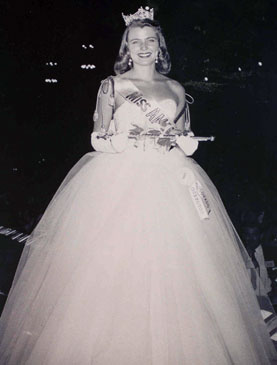 Ms. Van Derbur was Miss America 1958. She was also molested from the age of 5 through age 18 by her father, a wealthy and well-respected member of the Denver community. To the outside world, her family was perfect. To perpetuate this perception, Marilyn’s mother looked the other way. And, for years, Marilyn even repressed the abuse.
But now, she’s an advocate whose message is simple: preventing child sexual abuse isn’t primarily the responsibility of social services agencies, law enforcement or the courts. It’s the responsibility of all of us.
We need to eliminate our preconceived notions that child abusers are easy to identify.
We need to recognize that community leaders, religious leaders and sports leaders are just as likely to be predators as anyone else.
We can’t allow children to be alone with an adult just because that person is trusted by others.
We need to listen to our children and not dismiss their fears, concerns and even silences.
We have to be willing to talk about sensitive issues, such as sex and abuse, so the children feel comfortable talking to us.
We need to look beyond appearances and examine behavior.
Most of all, our outrage needs to be expressed long before an individual has molested multiple children and is on trial.
Our outrage should begin the moment a child communicates they are they least bit uncomfortable with another adult. Period.
Until then, when we see or hear about a conviction, we can cheer and proclaim justice all we want. But if we look away when we think the alleged perpetrator is too well-connected or that no one we know would purposely hurt a child, then all we are really celebrating is good old-fashioned denial.


 Just So You Know