Category Archives: perspective
Small Moments, Big Reminders
 In the grand scheme of life, this past week was rather uneventful. Yet, small reminders of how to live were wrapped up in my mundane, everyday activities.
On Saturday, I was the local grocery store when I thought I passed someone I knew. Instead of turning around, I glanced into the side view mirror of my shopping cart.
I know . . . shopping carts don’t have side view mirrors, rear view mirrors or any other mirrors. But, I’ve been spending a lot of time on my bike recently, and I’m constantly checking for cars in the side mirror attached to my handlebars. Apparently, the muscle memory of steering a bike is similar to pushing a grocery cart.
My action was ridiculous, and even though no one else would have even noticed the quick glance into nothing, my behavior kept me from actually turning around to see the person. Instead, I put my head down and hurriedly pushed the cart forward.
Saturday’s reminder: Never be so focused on moving away from our mistakes or missteps that we fail to turn around and face the current situation.
Sunday during church, the choir sang a particularly uplifting song, and as members finished singing, a little boy in the pew behind us started clapping. This was followed by his father’s hushed but angry voice saying “you don’t clap in church!”
The father’s reaction to his son’s joy and celebration reminded me how often we let society dictate how we express our feelings. I wish I had turned around and said, “What better place is there to clap than in church?” But I didn’t.
Sunday’s reminder: Don’t let anyone prevent you from expressing joy and happiness.
I was sitting at my desk at work on Monday, when my cell phone rang. Even though I didn’t recognize the number, I answered anyway. The call was from a former neighbor currently living in the Ukraine. As she recited all the countries her children have visited as part of their education and all the trips she is constantly making, I started feeling as though my life is dull and unremarkable. Then she told me her family is coming home after two years, and she was looking for advice regarding schools.
Since I rarely go through a day when someone doesn’t ask me for advice, I didn’t initially think much about her questions. But later, I realized she had given me a compliment.
Monday’s reminder: Being asked for an opinion is a sign of trust, and having someone’s trust is a remarkable gift.
Last month, my colleagues and I moved from our offices to a building that had previously served as a doctors’ office. Despite the large sign out front that says “research center” and the paper sign we put on the front door with the doctors’ new address, patients still come through our doors.
On Tuesday, a woman came walking down the hall yelling loudly, “Where’s my cancer doctor?” I politely told her the doctor had moved and that the address was posted on our front door. The look she gave me indicated she needed more instruction, so I walked her to the door and read her the sign. She repeated the address as she walked to her car.
Tuesday’s reminder: Being able to read is something many of us take for granted, and making assumptions that everyone can get the message through the written word is presumptuous.
My daughter just got braces, and she isn’t bothered at all by them. In fact, she loves the color (aqua) and the attention she’s getting. On Wednesday, she took her customary place in the passenger seat of my Jeep, pulled down the visor, flipped open the mirror and admired her mouth. Then she turned to me and said, “You know, I’m not the one who has to get used to the braces, since I don’t look at myself all the time. Everyone else has to get used to them.”
Wednesdays reminder: Perspective really is everything.
Thursday after work I hurried home so I could get in a bike ride before I had to transport my daughter to evening activities. One of my older neighbors was outside with her dog, so I stopped to talk. Oak catkins were spread all over her lawn and driveway, and she apologized for the mess. Since I was focused on her and her dog, I hadn’t even noticed until she drew attention to them.
Thursday’s reminder: Don’t apologize to others for living your life the way you want. If people judge how you spend your time, they aren’t worth making time for.
On Friday, I was riding my bike on the bridge over the interstate near my house. I could see that traffic on the exit was backed up almost to the highway, and my first reaction was that there must have been another accident on Interstate 81. (Such accidents have become almost daily events.) But traffic on the interstate was moving smoothly.
As I rode through the light at the exit, I noticed the first vehicle in line was about a car’s length back from the white line that distinguishes the exit from the road. It also marks a trigger linked to the stop light. Despite the long line of cars and the red light that wasn’t changing, the first vehicle didn’t move. I imagine eventually something prompted the driver to move forward, but I was glad I wasn’t stuck behind him.
Friday’s reminder: Sometimes we can’t wait for something to happen, we have to make it happen ourselves.
This may not have been a week of earth shattering events or life-changing moments, but it was definitely a week to remember.
Swimming in a Dress

Victoria swim wear – http://www.fashion-era.com/images/SocialHistory/swimpad500.jpg
This week, I had two conversations that morphed into one question about how we live our lives.
The first conversation was with a friend who told me about home-schooled children who were on a field trip at the Shepherd University pool. They were affiliated with a religious group that prohibits females from wearing pants, and, apparently prohibits swimming suits as well. My friend’s son watched astounded as the girls jumped into the pool still in their dresses.
The second conversation occurred on the phone with my mother, who wanted to know if my son had received his birthday check. After telling her yes, I added, “I know, he hasn’t sent a thank you note to acknowledge it. I’m a bad mom.”
My mother disagreed. “No, you aren’t. You are a much better mom than I was.”
Her comment shocked me, because I’m not even close to the type of mother she was.
My mom always made sure we sent thank you notes immediately. She planned menus that met every dietary guideline. And she ensured we did our Saturday chores, our beds were always made and that our laundry was always put away.
Not only do I fail to do all of those things on a regular basis. but my life is a chaotic mess compared to the structure in which I grew up. I told this to my mother in fewer words, but she responded, “You have fun with your kids. You know how to relax and just enjoy them. I never did.”
Not to belabor the point, but she WAS always wound quite tightly, and I’m generally not wound nearly that tight.
But getting unwound wasn’t easy. As I recently told a friend, “I spent the first 15 years of my life being a nerd trying to follow all the rules, and I spent the next 15 years trying to prove I was a rebel. Then I became a mom and had to find a happy medium.”

swimsuits in 1919 – http://old-photos.blogspot.com/2008_01_01_archive.html
In short, I had to break free of restrictive expectations and learn balance so I could enjoy life.
Which brings me back to the girls who jumped into the swimming pool in their dresses and to my question.
“Can anyone really enjoy life fully when they are restricted by a rigid belief system?”
Being in a pool with a dress is probably more fun than not being the pool at all, but I can’t imagine it was all that enjoyable. The water-logged clothing had to make movement difficult and exhausting.
I have absolutely no right to question or judge the beliefs and choices of the girls or their families. If they choose to swim in a dress, they have every right to do so.
But I have every right to question my own choices and the self-imposed restraints I’ve often put on myself – those that prohibit me from enjoying life. Sometimes these have been thinking a work deadline is more important than a few hours with my children. Sometimes they have been my obsession with gaining weight. And sometimes they’ve been my concerns that I will fail when I try something new.
I’ve definitely done my share of swimming in a dress.
But both times and people evolve, and as I’ve aged, I’ve become better and better at shedding my dress. That doesn’t mean I’m going out in public in a string bikini, but it does mean I can enjoy a good swim in a modest tankini.
Shame is Not a Form of Birth Control
I had to double-check my calendar this morning to assure myself that it was actually 2013 and I hadn’t been sucked into a time warp.
I hadn’t been.
Instead, I was sucked into reading news articles about a school assembly featuring an abstinence-only proponent whose only educational credential is a Psychology Degree from Jerry Falwell’s Liberty University.
See: http://www.dailymail.com/News/201304110267 and http://www.wvgazette.com/News/201304110229 .
I can’t emphasize enough how inappropriate the assembly was.
Almost 20 years ago, when I was working in the field of sex education, experts had already proven that abstinence-only and shame-based tactics don’t work. And promoting a particular religious philosophy in a public school is simply prohibited.
But self-righteous people, who believe they actually know what God is thinking, seem to find a way around these issues.
The speaker, Pam Stenzel, and her sponsors, a religious group called Believe in West Virginia, say her speech wasn’t faith-based. Instead they say it was just a warning about the dangers of sex before marriage.
Those few words should have been enough to keep this woman out of the public schools.
A real sex educator doesn’t pretend that a wedding ring can protect people from a sexually transmitted disease, an unplanned pregnancy or heartache.
A real sex educator doesn’t outright dismiss homosexuals, who are still fighting for the right to even be married.
And a real sex educator doesn’t condemn, judge or shame.
Instead, a real sex educator gives facts – not statistics that have been manipulated to fit a certain dogma.
A real sex educator will agree that sex is the only human behavior that has the potential to create life or to threaten a life. The educator’s job is to help individuals make decisions to prevent unwanted consequences.
And a real sex educator will spend time talking about healthy relationships and about treating others with respect – not condemnation.
Years ago, I was that person, and I will never forget making a presentation about AIDS and HIV in a middle school classroom. As I interacted with the students, the teacher, who was obviously not happy I was there, took out his Bible and placed it open on his desk. He pretended to read, and I pretended to ignore him.
A year later, I had the same assignment and found myself in the same classroom. But instead of taking out his Bible, the teacher made a point of welcoming me and telling his students they should listen. He then privately told me that “a really good person” from his church had been diagnosed with AIDS. Instead of noting that a lot of “really good people” had been diagnosed with AIDS, I was just grateful that he had become a bit more open and less judgmental.
Now, I am hoping the same for all those involved in permitting the recent school assembly at George Washington High School.
The Permanent Mark of Bad Behavior
 There are times I feel as though mean and difficult people are the masterminds behind a sinister plot to take over the world. They know they’ll eventually just wear out the rest of us with their rude comments and insensitive behavior.
But then I come to my senses and realize if they were actually smart enough to carry out such a plot, they’d have more sense than a second grader. That’s when you learn some of life’s most important lessons. For example, I learned that a poor decision or a mean word will stay on your permanent record card forever, and a blemish on that card is never going to help you succeed.
Of course, I learned that lesson the hard way. I got the first black mark on my permanent record card when I was in second grade. I’ve had countless since then, but that’s the one that taught me about consequences and guilt.
The exact details of my crime are rather fuzzy, but the guilt is forever etched in my conscience.
The problems started because I was a bus rider.
In second grade, we didn’t have cliques, but there were two distinct groups: bus riders and walkers. (In those days, only the children of teachers came to school in cars.)
I perceived the walkers as privileged. They didn’t have to wait for anyone or abide by any schedule other than the ring of the bell. They didn’t have to arrive at school until the very last minute, and they could leave as soon as the bell rang at the end of the day.
I was jealous.
Those of us who rode the bus were just stuck. Since my bus ran earlier than others, there was a group of us who arrived at school much earlier than we actually needed to be there. In order for school officials to maintain order, they required us to immediately go to the cafeteria and sit quietly until given permission to go to our classrooms.
The wait was long and boring, especially since we were always being told to “quiet down.” Even now, almost 40 years later, I find that difficult. In second grade, it seemed impossible.
I don’t remember who came up with the scheme or how we executed it, but a group of friends and I decided we were going to escape the prison in the cafeteria. We didn’t make it far and were soon discovered hiding in the bathroom. After yelling at us, a teacher escorted my fellow criminals and me to the principal’s office.
The only thing I knew about the principal’s office was that it was where the really bad kids went. I was pretty sure there was a jail cell in there, where we would be handcuffed and chained to the bars as punishment for our crime. My worries grew as we were told to sit outside Mr. Mitchell’s office and “think about what we had done.”
By the time Mr. Mitchell opened his door and told us to come in, I was shaking.
Mr. Mitchell sat behind the desk and lectured us and lectured us and lectured us. As he talked, his face got redder and redder and redder. The only words I remember were “your permanent record card.”
I gulped.
I was supposed to go to college and get a job. I had no idea how I was going to tell my parents that all their hopes and dreams for me had been erased with one stupid decision. (Yes, I really did worry about such things as a young child.)
For years, I worried about my permanent record card and that time in the principal’s office. Many nights, I would lie in bed thinking about the implications. My concerns finally began to fade when I was an adolescent and transferred to a different school district. As my records were being reviewed, no one mentioned my criminal past.
I had been granted a pardon, and I was grateful. But, now, I find myself getting tired of passing on the gift of a pardon to others.
This week I am especially tired. I wrote in another blog about the death of a young West Virginian. While most of the feedback was positive, there were also individuals who left comments that belittled the individual and his way of life. The comments were hurtful and rude and pointless.
They were also permanent. Even if they are deleted, others have already read them, including friends and family members.
The situation bothered me to the point I couldn’t sleep at night worrying whether or not I should even have written about the young man’s death.
But then I remembered another important lesson from second grade: most people are mean to others because they don’t feel good about themselves, so you should try to be nice to them anyway.
I guess I’ll keep trying. Even though the marks made by negative behavior (by both me and by other people) may be permanent, marks for positive behaviors can be permanent too. I just have to keep reminding myself of that.
A Poor Perspective on Poverty
When I was in elementary school, my mom made most of my clothes. As a child, I loved picking out the patterns and fabric to help design something uniquely for me. And when I outgrew those clothes, we donated them to what my parents called “the needy.”
I had a vague understanding of who “the needy” were. They were the kids who came to school dirty and sometimes smelly. They were the kids whose parents didn’t socialize with our parents. They were the kids that lived in neighborhoods where we were told not to go.
I thought that giving my clothes to “the needy” was some kind of measure of moral superiority.
Then one day, a girl in my class came to school wearing one of the outfits my mother had made.
I was shocked.
She was needy? I talked to her. I played with her at recess. I even sat with her at lunch sometimes.
I was even more shocked when someone asked her about her new clothes, and she described a shopping trip she’d made to Portland with her mother. At that age, I was just as unfamiliar with lying as I was with “the needy.”
I made the mistake of calling her out on her lie, but she didn’t relent and insisted she had bought the outfit at a store in Portland.
After that, I didn’t talk to her, play with her at recess or sit with her at lunch. I started equating “being needy” with being a liar.
Decades later, I still feel guilty about calling the girl out. I wish I could go back in time and go along with her fantasy about clothes shopping at fancy stores. She simply wanted to fit in, and I understand that now.
We live in a society that equates products with social status and success. Just carrying an off-brand purse gets me looks from women who pride themselves on carrying name brands.
And the extent to which our children are buying into that materialistic culture even surprises me. I’m usually not at a loss for words, but there is an exception to everything.
My exception came in the form of a ten-year old boy who lives in a house much larger than mine. His parents drive newer and more expensive cars than my husband and I do. His family seems to be on vacation every time school is out while my family rules the staycation. In other words, I think of his family as being “well-off.”
The boy, however, told me his family is poor.
I didn’t know what to say. Even with money out of the picture, I can’t begin to describe his family as poor.
His parents are attentive and loving to each other and their children, who are involved in numerous extracurricular activities. The family worships together and is actively engaged in community service. Simply put, the family lacks for nothing.
The boy, however, was adamant that his family is of limited means. He was sure because he has friends who not only live in a bigger houses but also have beach houses. Their cars are even more expensive, and their vacations even more extravagant. In his eyes, his family really doesn’t have enough.
I understand how this boy reached his conclusion. It’s called perspective. But that’s not an excuse for him or for all the adults who look into that same short lens that distorts everything.
Recently, a local official asked me why the percentage of children living in poverty had grown while the median household income in his county grew by more than $18,000 during the same ten-year period. Before I could answer, his colleague responded.
“There are more poor people, because the poverty level goes up every year. A family can make more money and still be considered poor.”
I was proud of my reaction. I was appropriate, and I didn’t even make a face. Instead, I noted that the local numbers simply reflect national data that show a growing income gap between the rich and the poor. Then I asked, “have you actually looked at the poverty level?”
When I didn’t get a response, I added, “This year, the poverty level for a family of four is $23,500. Personally, I don’t know how I could live within that.”
The topic quickly changed, and I’m not sure if the discussion had really ended or if a genuine conversation about poverty was just too uncomfortable, as it often is. Instead, we misdirect by categorizing the poor as deserving or undeserving. We dress up and attend charity events that make us feel good about helping. And we pride ourselves in giving to “the needy.”
But there are times when I try to change my perspective and look at how we treat the poor from the eyes of my former classmate. I’m pretty sure she’d tell us to stop pretending that poverty is something that happens to other people. I also think she’d say that we should stop pretending that name brand clothes or a big house reflect on our character or our importance. And I’m positive she’d say that we shouldn’t pretend that charitable giving is more meaningful than really listening to someone who is struggling.
And in return for her opinion, I’d tell her that I think she’s right.
My Lazy, Cheating Blog
Just over two years ago, my husband convinced me that I should write a blog. Initially, I was hesitant, but he was persuasive and I decided to take the plunge. I wrote my first entry.
Then, something happened.
People actually read what I wrote. And they commented on my words. And they encouraged me.
They changed everything.
My Type A personality kicked in, and I felt compelled to write regularly. For the most part, this has been a pleasure because I generally have a lot to say. Actually, most of the time I have a lot to say. There are also times when I’m tired, or busy or just not inspired, so finding the motivation to write my blog at least once a week can be difficult. But I tend to be very obsessive, so I write anyway.
Until this week.
This week, I’m cheating.
I’m cheating because I’m spending four days with an amazing group of women in Hatteras, North Carolina. I just want to be lazy and laugh with my friends. I also want to meet my compulsive need to blog every week. So, I’m linking to two of my recent posts for the Charleston Daily Mail:
http://blogs.dailymail.com/mommyhood/2013/03/20/when-homework-goes-to-the-dark-side/
http://blogs.dailymail.com/mommyhood/2013/03/13/advice-from-the-mother-of-a-heroin-addict/
Next week, I’ll be back. This week, I’m not going to feel guilty about my lazy, cheating blog.
The Daisy Petal Deception
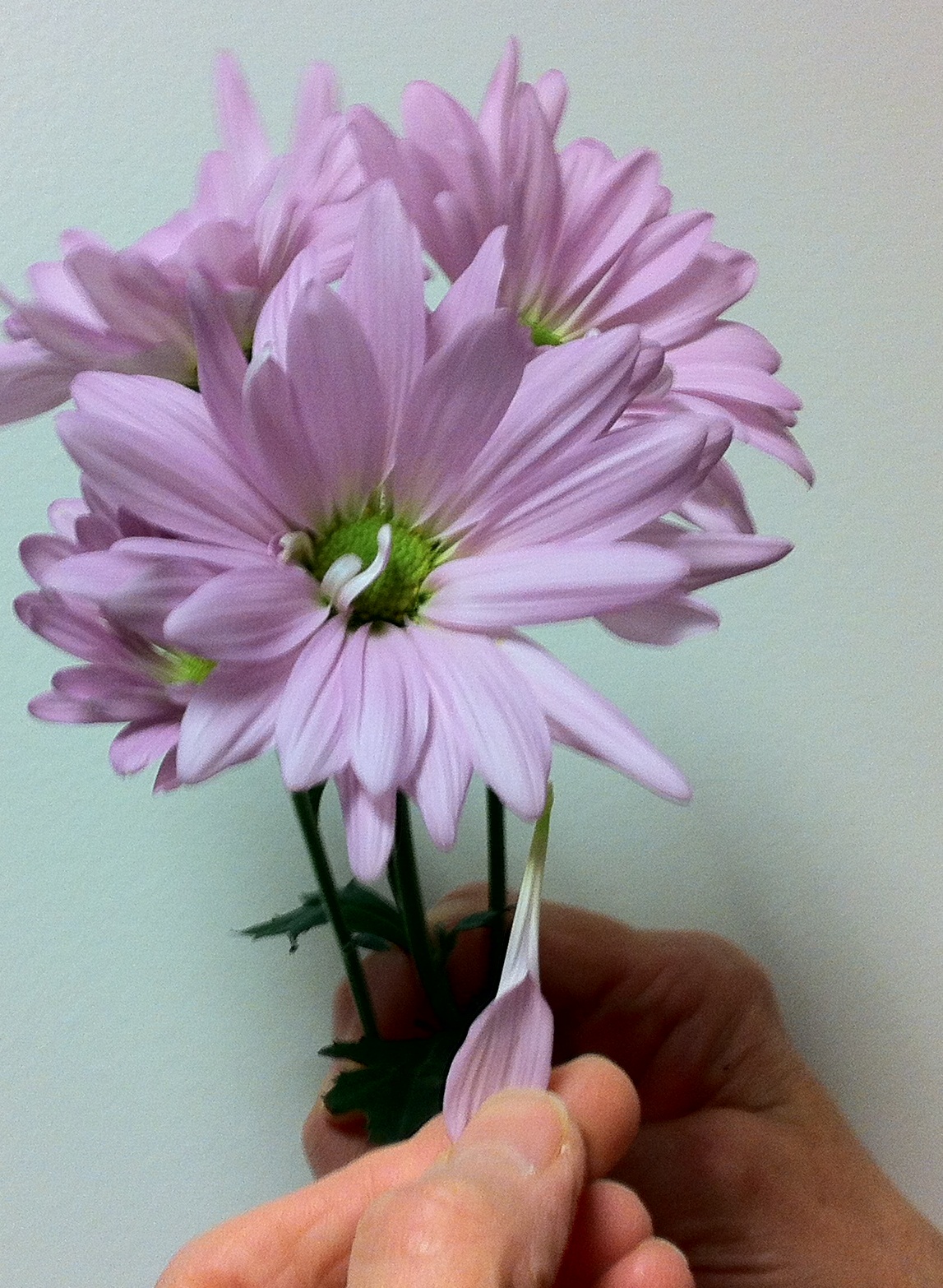 Even though people tell me I have a very good memory, I’m not so sure. For every story or incident I remember, I am constantly reminded of all those times about which I have no recollection. And I have no clue who taught me that plucking petals off a daisy is a reliable method of determining whether someone cares about me.
Pluck a petal – he loves me. Pluck another petal – he loves me not. Pluck another – he loves me. And the last petal will supposedly reveal the true nature of his feelings.
A rational person would recognize that the practice is not only ridiculous but that it also promotes the deliberate torture of innocent daisies. Apparently, I haven’t always been particularly rational.
I’m ashamed to admit that, thanks to a long-forgotten tutor, I’ve tortured a lot of daisies in my life.
Most were destroyed in the name of boys and men who never even knew that I cared. (I can only credit myself for the self-taught skill of acting disinterested when I was actually quite interested.) I even began plucking daisy petals for answers to questions that had nothing to do with relationships.
Pluck a petal – I will get what I want. Pluck another petal – I will be disappointed. Pluck a petal – I will get what I want.
Every time I got the answer I wanted, my appreciation for the practice grew. Not because the answer proved to be valid, but because it was an easy way to avoid the ambiguities of life and love.
Unfortunately, a lot of people like avoiding ambiguities. They like simplicity. They crave only two choices, so they can make a quick decision rather than think about alternatives and possibilities:
– They want one religion to be right and any other to be wrong.
– They want one political party to have all the answers and the other to only represent miscreants.
– They want people with a good-paying jobs to represent moral superiority and poverty to represent laziness.
Pluck a petal – you’re good. Pluck a petal – you’re bad.
The problem with plucking daisy petals is there is never a need for a real solution and there’s no call for action. If you don’t get the answer you want, you pick another daisy and try again. Either that, or you accept the answer but sulk and complain.
Sulking and complaining has never made anyone happy. Changing circumstances does, but that usually requires compromise and working with others. It requires putting down the daisies in our own hands, so we can join hands with others.
When we do that, the options grow, and opportunities really start to blossom.
You Can Learn a lot of Interesting Things in 46 Years
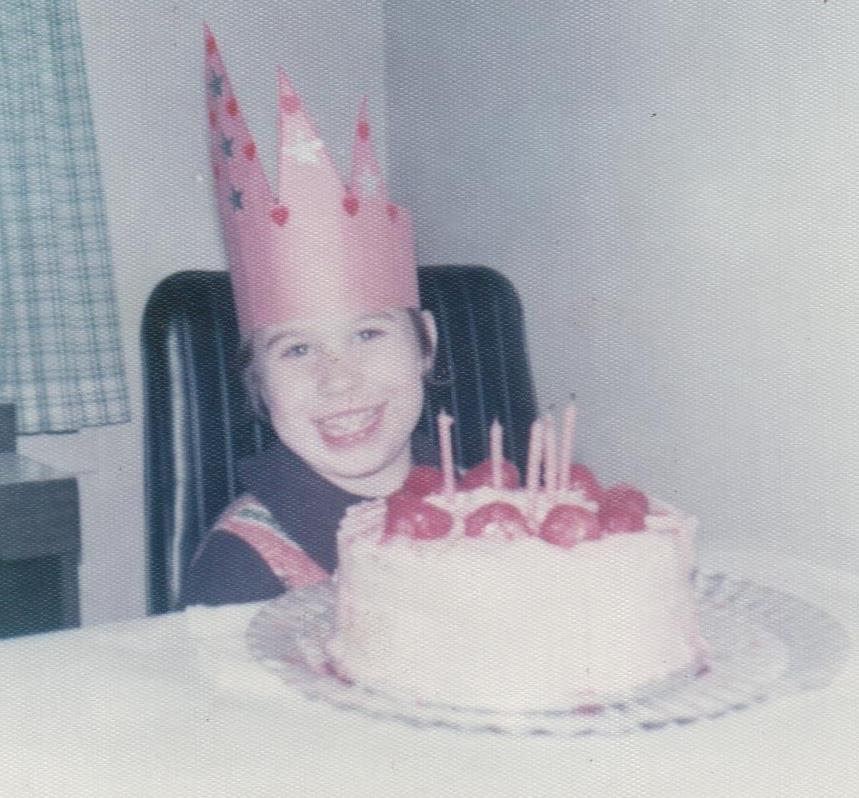 I’m doing things differently for my birthday this year.
When I turned to 29, I was so busy comparing myself to others I thought I hadn’t achieved much. When I turned 35, I wondered why I hadn’t lived up to my potential. And when I turned 40, life got in the way of celebrating.
But I’m turning 46 this week, and instead of worrying about what I may or may not have achieved, I’m embracing everything I’ve learned.
I’m not talking about facts or skills. I’m talking about all the things I’ve learned by really living life. Those lessons that came from experience. Those lessons that have shaped who I am.
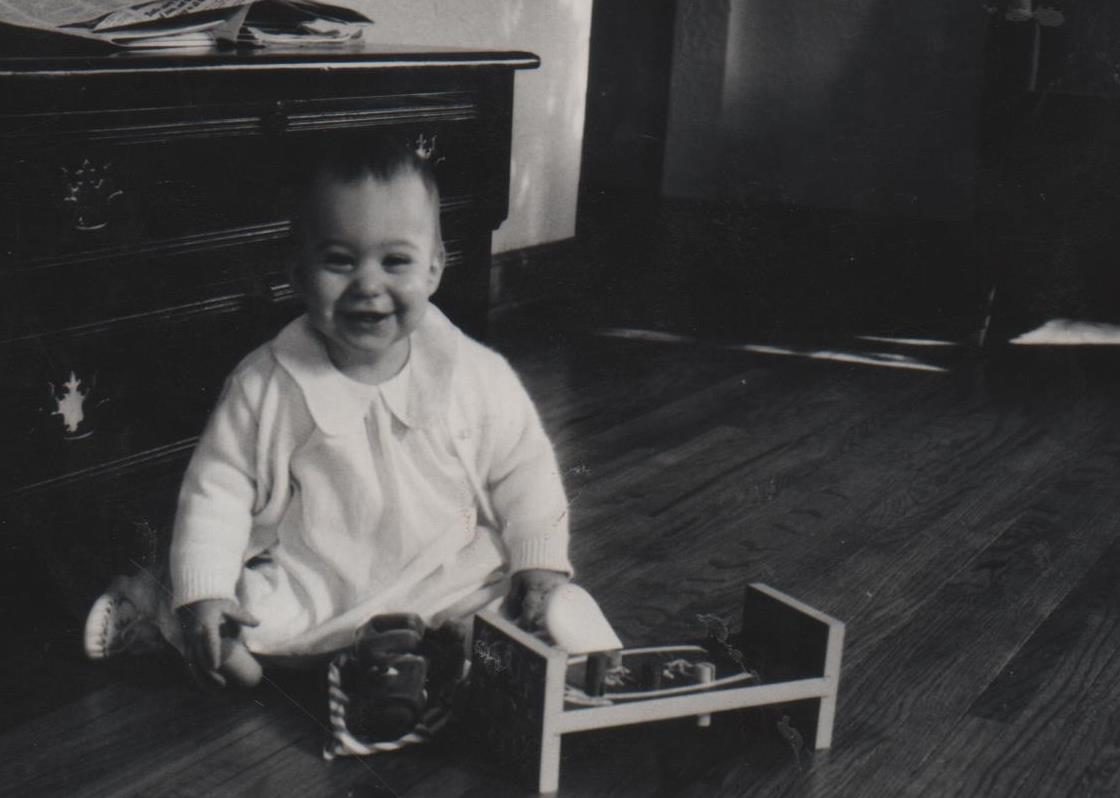 Five Facts Before Age Five
1. Screaming, whining and complaining often get you attention, sometimes get you what you want but never make anyone feel good. Smiling always makes people feel good.
2. Dry dog food does NOT taste just like cereal. Don’t believe anyone who tells you that it does.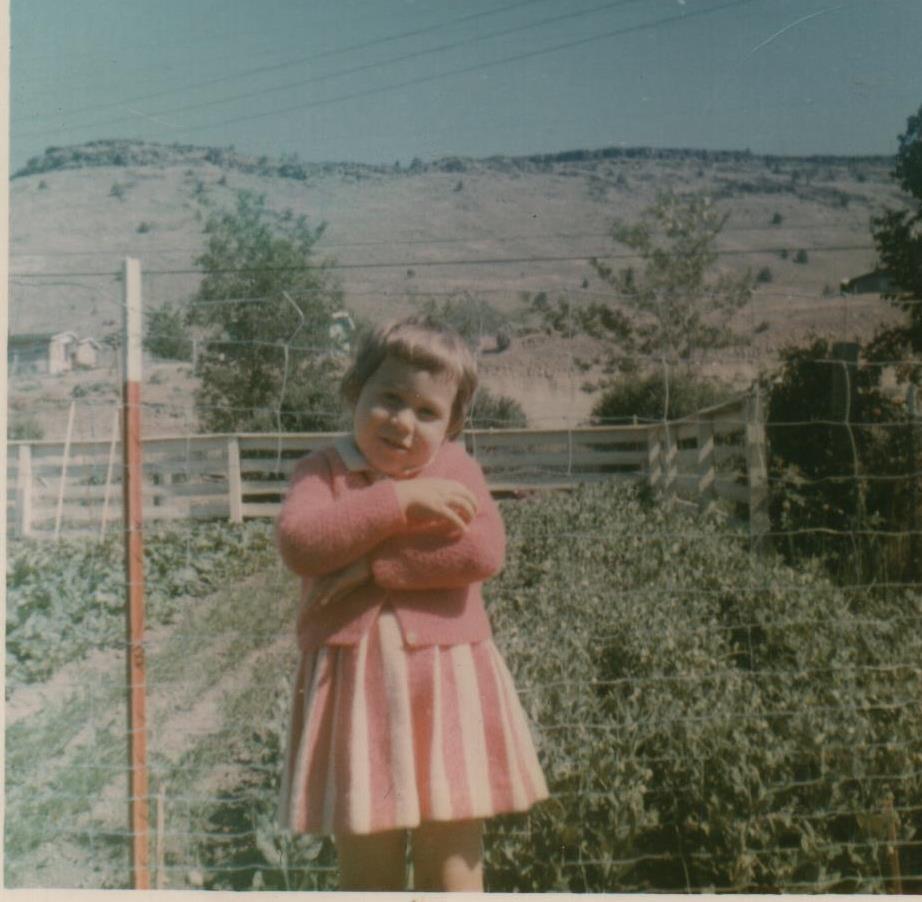
3. Accidents happen when you are laughing uncontrollably with friends.
4. Never trust five year-old boys with scissors, especially when they have little sisters with pony tails.
5. Fashion isn’t everything. Attitude IS everything.
Ten Tenets By Age Ten
 1. You can keep a caterpillar, but you can’t keep the butterfly it becomes.
2. Boy germs are really quite harmless.
3. You will always regret being too afraid to slide down the fire pole.
4. You will never regret staying in at recess to finish the tissue paper corsage for your mom for Mother’s Day.
5. Sometimes people cry when they are happy. But even if they are happy, they probably still need a hug.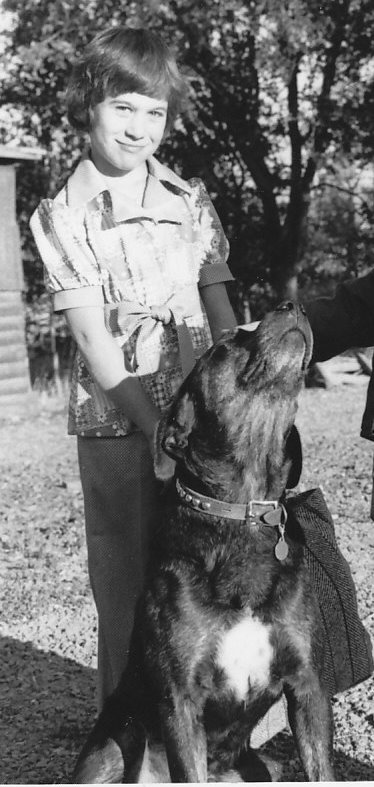
6. Your world can change every time you open a book and read.
7. You have the potential to change someone else’s world every time you pick up a pencil (or a crayon) and write a letter or a story.
8. A dog will always keep your secrets. Always.
9. When you get a present you don’t like, you have to smile and pretend it’s exactly what you wanted. This most likely means you will get more presents you don’t like.
10. Using your imagination is much more entertaining than watching television.
 Eight Adages of Adolescence
1. Being true to yourself can be very, very difficult. But pretending to be someone you’re not is even more difficult.
2. Boy germs may be harmless, but they are also very interesting.
3. Don’t try to grow up too fast. Acting like a kid is actually more fun than acting like an adult.
4. Life is all about change. If you resist it, you’ll just be angry and disappointed. You might as well embrace change and adapt.
5. There is nothing like going through a hard test together to unite people who have absolutely nothing else in common.
6. There will always be people who think they know who you are. All that counts is that you know who you are.
7. Creativity is a necessity if you’re going to break the rules.
8. If you listen to what other people say about you rather than to your inner voice, you’ll never be happy.
A Collection of Collegiate Lessons
 1. There is absolutely nothing better than finally discovering people who think like you think.
2. There is absolutely nothing more educational than living with people who are completely unlike you.
3. First impressions shouldn’t count for much at all. You can never predict the people who will support you when your world is crumbling.
4. At some point, you just have to stop worrying about people who don’t like you and simply surround yourself with those who do.
5. There are times when you have to forget about achieving anything meaningful and just embrace the moment. Life is about creating memorable moments.
6. Fashion CAN be an attitude.
Eight Pieces of Wisdom from Adulthood
 1. Your past will probably catch up with you, but that’s not necessarily a bad thing.
2. The most beautiful moments are often the most quiet ones.
3. Acting like a kid is still more fun than acting like an adult. If you forget how to act like a kid, all you need to do is buy some Play-Doh.
4. If you’ve lost contact with someone who meant a lot to you, have faith. People who are really important will probably reenter your life at some point.
5. A lot of really incompetent people achieve positions of power, but that doesn’t mean others don’t recognize their ineptness.
6. Sometimes failure is the best thing that ever happens to you.
7. Never EVER stop dreaming and believing in possibilities. Just because something doesn’t happen when you want it to happen doesn’t mean it will never happen.
8. We often hate how we look in pictures. But, years later when we look back on those pictures, they will definitely make us smile.
Everything I Need to Know About Valentine’s Day, I learned in First Grade
 I always liked school, but I absolutely hated first grade. That’s because I had a very, very, very mean teacher.
Even forty years later, I’m still traumatized by memories of Mrs. Gladwill.
Normally, I’d feel really guilty calling someone out by name but 1) I’m not the only who has scars inflicted by Mrs. Gladwill and, 2) She’s dead. She died in 2008 at the age of 94. I know this because my mother sent me a link to her obituary. My mother, who is a very wise woman, knew I needed closure.
There’s no need to go into all the details of why first grade was difficult. There are just too many of those details, such as:
Watching fellow students have their ears twisted;
Sitting in class in fear of having “accidents” because, instead of giving permission to use the bathroom, Mrs. Gladwill gave lectures about “not planning accordingly”;
Having my desk put in the corner of the room so others couldn’t cheat from my papers.
But my worst memory, by far, is Valentine’s Day.
Back in the early 1970’s, before there were strict dietary guidelines in schools, Valentine’s Day parties were one of the celebrated days of the school year. Preparation began well before the actual day. By the beginning of February, letters were sent home with both the names of classmates and a list of snacks, such as cookies, cupcakes and candy, that parents were asked to contribute. We used that list of names to painstakingly address a card for every single classmate – whether we liked the person or not. But we did pick out “the best” cards and candy (every card had to have candy) for our friends.
In school, we decorated mailboxes (shoeboxes covered with construction paper) in which our Valentine’s Day cards were to be delivered. The actual celebration was to be a festival of sugar and giggles.
The day before the big Valentine’s Day party, I could no longer hide the fact I couldn’t swallow. I’d begun to worry the day before at school when eating lunch was a painful challenge. At breakfast, while I was trying to somehow swallow a spoonful of Cheerios, my mother took one look at me, told me I looked like a chipmunk and declared I had the mumps.
I wasn’t just devastated. I was horrified.
Mrs. Gladwill simply did not tolerate illness. Every day, after she took attendance, she would take a piece of chalk and scrawl the names of the absent on the blackboard. In the eyes of first graders, having your name on the blackboard was equivalent to the adult version of being forced to wear a scarlet letter. Walking into the classroom and seeing your name on the blackboard was the ultimate walk of shame.
Being diagnosed with mumps was not only a sentence to take that walk of shame, but it also meant I was going to miss the Valentine’s Day party. In the eyes of a six-year-old, life couldn’t have been much worse.
That Valentine’s Day was probably one of the longest days of my life as I spent every minute imagining all I was missing. Finally, sometime after 3:00, I heard the squeal of the school bus’ brakes as it stopped in front of my house. When my brother came into the house, he didn’t call me chipmunk or tease me for missing all the festivities. Instead, he handed me the shoebox I had so painstakingly decorated only a few days earlier. But now, it was full of Valentine’s and candy. I spent hours reading and treasuring all of the cards, even the ones I knew weren’t heartfelt.
A few days later when I returned to class, my name was one of many written in dark chalk on the blackboard. Apparently, some nameless person (me?) had come to school with the mumps and shared the virus with everyone else.
Eventually, attendance went back up and our class returned to the same, miserable status quo. But I didn’t. That Valentine’s Day taught me a lot about love:
1. Love is about the memories we treasure because, even though they sometimes grow out of difficult situations, they remind us of people and challenges we’ve overcome.
2.Love is about finding a song that will mean something to you at any age. For me, the Rolling Stones got it exactly right. “You can’t always get what you want, but if you try sometimes, well you just might find, you get what you need.”
3. Love is about having a family whose support will always make the worst day a little bit brighter.
4. Love is learning to treasure all the small gifts, even ones from people who may not realize that they were giving anything of importance.
5. Love is about taking care yourself, even when others will try to make you feel as though their needs should come first.
Most of all, I learned that Valentine’s Day is much more complicated than cards, or candy or having just one special person in your life. It’s about recognizing and acknowledge everything that makes you happy.
And, over the past 40 years, I’ve been immensely blessed with people, memories and circumstances that make me happy.
Which, is why, even though I may not entirely succumb to the sappiness of Valentine’s Day, I certainly embrace the sentiments, and the lessons, it’s taught me.
Did You Just Stick My Jelly Beans Up Your Nose?
 There are those days when I feel as though people are sticking my jelly beans up their noses.
In more innocent times, I never worried about leaving a bowl of jelly beans on my desk. Instead, I was pleased to share with others while regularly snagging a few pieces of candy myself.
I should have known better.
I should have realized that some people will always find a way to sabotage life’s small pleasures because they are so focused on meeting their own needs.
I learned the lessons of jelly beans when I was getting my master’s degree and had classes with someone from high school. I don’t remember ever talking to my fellow student in high school and was honestly surprised he’d even graduated from college.
I had preconceived beliefs about him, and he, in turn had preconceived beliefs about me. I remember the day he told me, “you are actually really funny. In high school, your friends told me you were funny, but I never believed it. I always thought you were just too smart and too serious. You really aren’t that serious at all.”
I couldn’t really fault him for never getting to know me as I’d never made the effort to know him.
Instead, I’d simply thought he was someone who spent a lot of time in the principal’s office.
Turns out, I was wrong.
He rarely spent any time in the principal’s office. Instead, he spent a lot of time with the vice principal, who was in charge of discipline.
“Mr. Tidquist and I,” he said, “were quite familiar with each other. But I really didn’t like him or the jelly beans he always kept on his desk.”
I shouldn’t have asked about the jelly beans, but I couldn’t resist.
“Mr. Tidquist always had a jar of jelly beans on his desk, and sometimes he would grab a handful and eat them while lecturing me,” he told me. “One day, I was sitting in his office alone waiting for him to come in, and I was just so angry. I kept looking at those jelly beans and thinking of Mr. Tidquist eating them. I just couldn’t help myself. I would take few, put them up my nose, put them back in the jar and then stick some more up my nose.”
He smiled.
“I can’t even describe how I felt when Mr. Tidquist came back in his office, sat at his desk, grabbed a handful of jelly beans and ate them.”
After hearing the story, I couldn’t immediately describe how I felt either, other than to say I was relieved that I’d never been in Mr. Tidquist’s office and therefore never been tempted to eat his jelly beans.
But lately, I feel as though my decisions, beliefs and values are like the jelly beans on Mr. Tidquist’s desk. I take pleasure in being a strong and educated woman who can think and act on her own. I like to believe that by sharing and discussing my opinions, I just might help make the world a little bit better.
Instead, when I’m not around, some people choose to express their dislike and misperceptions by judging me, discrediting me or misinterpreting my actions. But they don’t say anything to me directly.
In other words, they are sticking my jelly beans up their noses.
Since I’m human, there’s a part of me that can’t help but be bothered and offended. But there’s another part of me that realizes how their behavior has nothing at all to do with me. Which is why, instead of taking my jelly beans off my desk, I’m thinking of putting a mirror next to them.
That way, when people put my jelly beans up their noses, they are forced to see how their words and behavior only reflect back on them.
In the meantime, I’m going to continue to enjoy sharing my jelly beans with everyone who appreciates them.


 Just So You Know