Blog Archives
You Can Learn a lot of Interesting Things in 46 Years
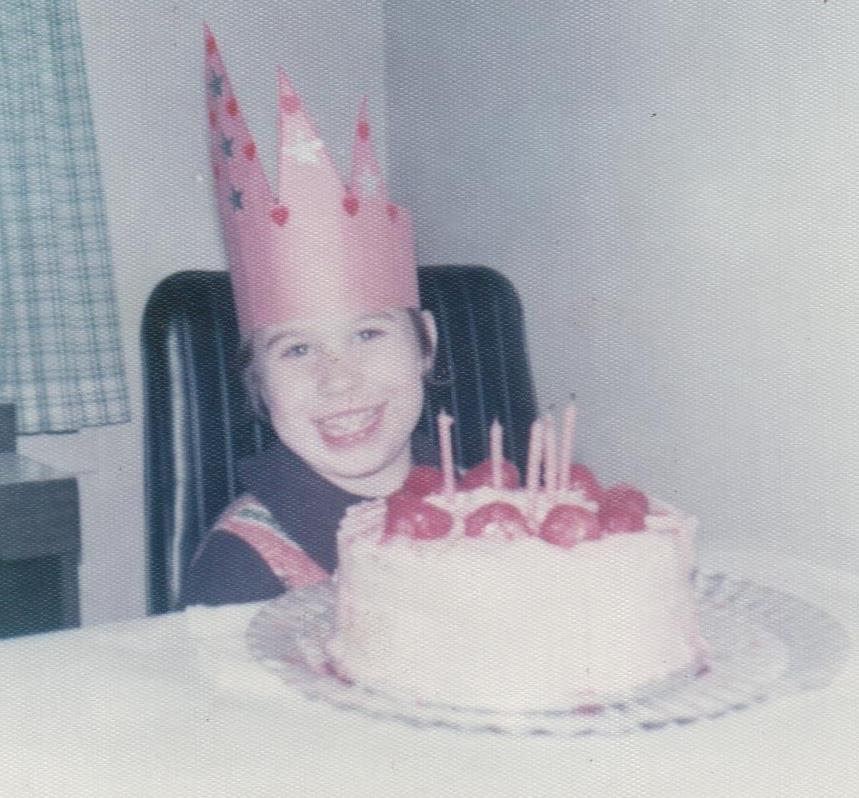 I’m doing things differently for my birthday this year.
When I turned to 29, I was so busy comparing myself to others I thought I hadn’t achieved much. When I turned 35, I wondered why I hadn’t lived up to my potential. And when I turned 40, life got in the way of celebrating.
But I’m turning 46 this week, and instead of worrying about what I may or may not have achieved, I’m embracing everything I’ve learned.
I’m not talking about facts or skills. I’m talking about all the things I’ve learned by really living life. Those lessons that came from experience. Those lessons that have shaped who I am.
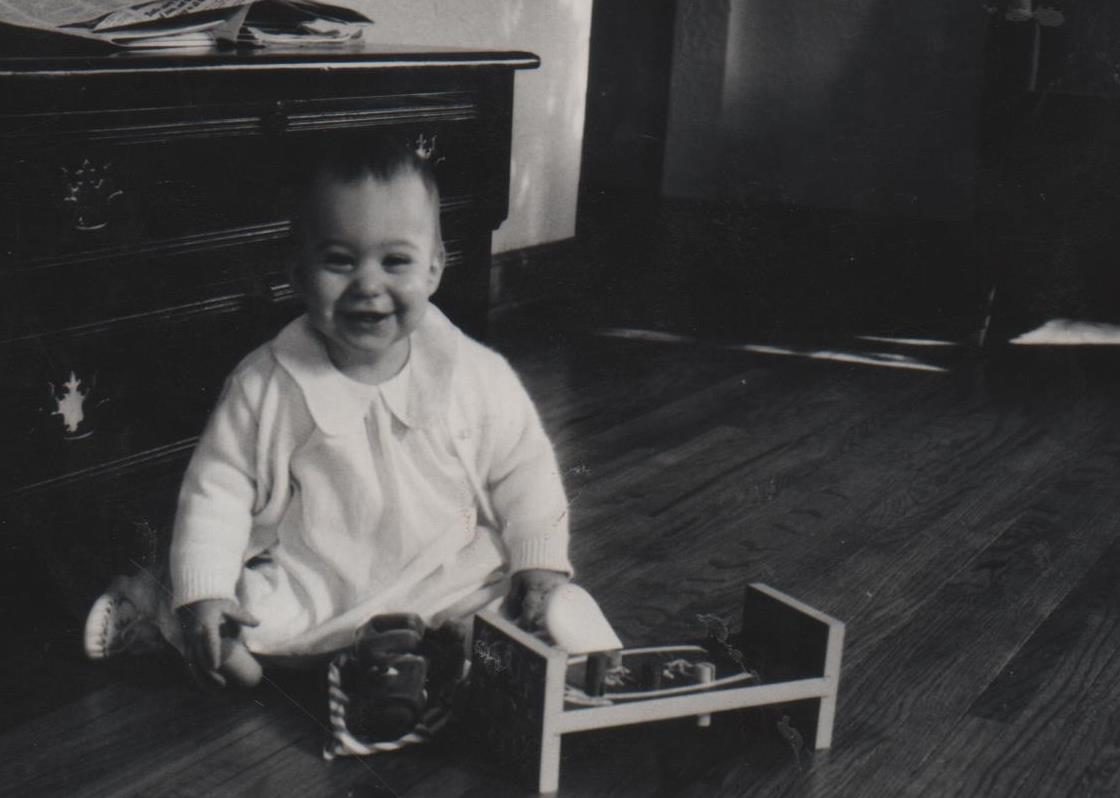 Five Facts Before Age Five
1. Screaming, whining and complaining often get you attention, sometimes get you what you want but never make anyone feel good. Smiling always makes people feel good.
2. Dry dog food does NOT taste just like cereal. Don’t believe anyone who tells you that it does.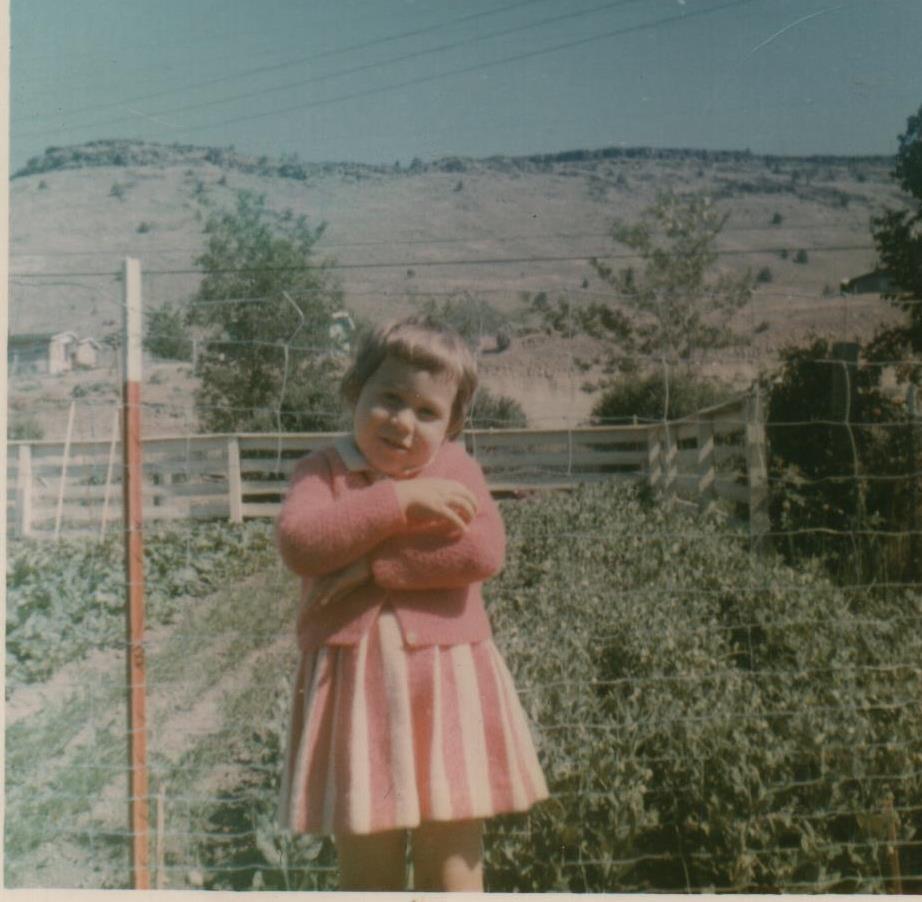
3. Accidents happen when you are laughing uncontrollably with friends.
4. Never trust five year-old boys with scissors, especially when they have little sisters with pony tails.
5. Fashion isn’t everything. Attitude IS everything.
Ten Tenets By Age Ten
 1. You can keep a caterpillar, but you can’t keep the butterfly it becomes.
2. Boy germs are really quite harmless.
3. You will always regret being too afraid to slide down the fire pole.
4. You will never regret staying in at recess to finish the tissue paper corsage for your mom for Mother’s Day.
5. Sometimes people cry when they are happy. But even if they are happy, they probably still need a hug.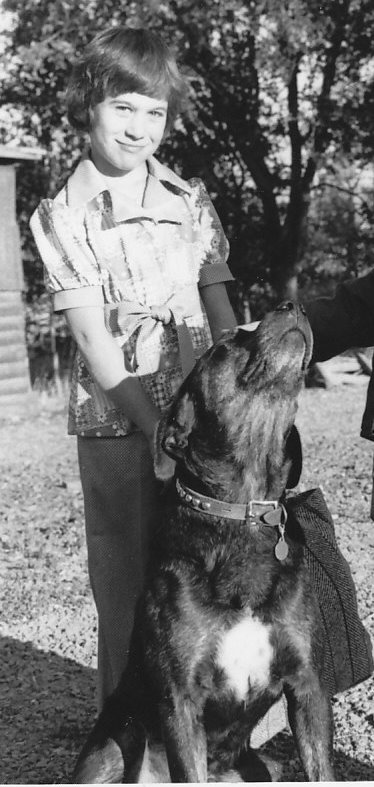
6. Your world can change every time you open a book and read.
7. You have the potential to change someone else’s world every time you pick up a pencil (or a crayon) and write a letter or a story.
8. A dog will always keep your secrets. Always.
9. When you get a present you don’t like, you have to smile and pretend it’s exactly what you wanted. This most likely means you will get more presents you don’t like.
10. Using your imagination is much more entertaining than watching television.
 Eight Adages of Adolescence
1. Being true to yourself can be very, very difficult. But pretending to be someone you’re not is even more difficult.
2. Boy germs may be harmless, but they are also very interesting.
3. Don’t try to grow up too fast. Acting like a kid is actually more fun than acting like an adult.
4. Life is all about change. If you resist it, you’ll just be angry and disappointed. You might as well embrace change and adapt.
5. There is nothing like going through a hard test together to unite people who have absolutely nothing else in common.
6. There will always be people who think they know who you are. All that counts is that you know who you are.
7. Creativity is a necessity if you’re going to break the rules.
8. If you listen to what other people say about you rather than to your inner voice, you’ll never be happy.
A Collection of Collegiate Lessons
 1. There is absolutely nothing better than finally discovering people who think like you think.
2. There is absolutely nothing more educational than living with people who are completely unlike you.
3. First impressions shouldn’t count for much at all. You can never predict the people who will support you when your world is crumbling.
4. At some point, you just have to stop worrying about people who don’t like you and simply surround yourself with those who do.
5. There are times when you have to forget about achieving anything meaningful and just embrace the moment. Life is about creating memorable moments.
6. Fashion CAN be an attitude.
Eight Pieces of Wisdom from Adulthood
 1. Your past will probably catch up with you, but that’s not necessarily a bad thing.
2. The most beautiful moments are often the most quiet ones.
3. Acting like a kid is still more fun than acting like an adult. If you forget how to act like a kid, all you need to do is buy some Play-Doh.
4. If you’ve lost contact with someone who meant a lot to you, have faith. People who are really important will probably reenter your life at some point.
5. A lot of really incompetent people achieve positions of power, but that doesn’t mean others don’t recognize their ineptness.
6. Sometimes failure is the best thing that ever happens to you.
7. Never EVER stop dreaming and believing in possibilities. Just because something doesn’t happen when you want it to happen doesn’t mean it will never happen.
8. We often hate how we look in pictures. But, years later when we look back on those pictures, they will definitely make us smile.
Rockefeller’s Reminder
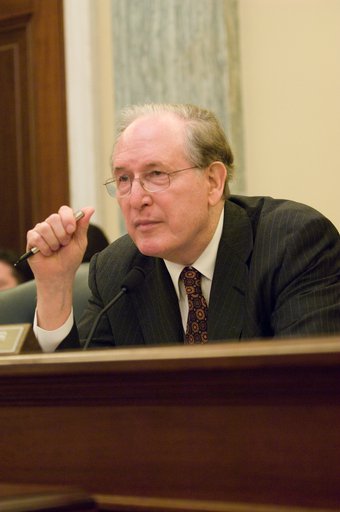 Last week, I had the privilege of attending a community meeting hosted by U.S. Senator Jay Rockefeller about the reauthorization of the Violence Against Women Act (VAWA). Since there was little doubt that our soon-to-retire senator was going to vote for VAWA, the event was really an opportunity to raise awareness about the issue of domestic violence.
Invited guests included survivors, social workers and advocates who work tirelessly to address the issue. A local police officer was the only man selected as a designated speaker for the round table discussion, but he received a great deal of Rockefeller’s attention.
While domestic violence survivors told heart-breaking stories, many of Rockefeller’s questions were directed to the police officer. The Senator seemed absolutely fascinated by the officer’s description of our local police department’s ride-along program, which provides an opportunity for community members to literally ride along with police officers during any shift. Those who participate have the opportunity to really understand what police face and learn about some of the biggest issues facing our community.
At the time, Rockefeller’s intense interest in the program seemed a little off topic. But in retrospect, I think the Senator was demonstrating what true wisdom is.
In a world where people are intentionally inflicting harm on others, where relationships are often about power struggles rather than support and where individuals are suffering on a daily basis, true wisdom is knowing that doing the right thing requires more than simply responding to the needs of others. Maybe because I’ve recently been watching too many people who think doing the right thing means doing things their way without considering all that others have or could contribute, Rockefeller’s reminder has stuck with me:
Doing the right thing means ensuring resources and services are available for those in need, but is also means focusing on what is positive and good.
Doing the right thing means reinforcing and promoting positive and healthy relationships among people and organizations.
And doing the right thing means really listening to others and acknowledging the power of what they are saying and all they are contributing.
That’s the wisdom Senator Rockefeller brought to the table. Unfortunately, he won’t be at the table much longer. Last month, he announced he will not be seeking a sixth term as U.S. Senator after his current term ends in 2014. West Virginia lost Senator Robert Byrd in 2010, and now we are losing Senator Jay Rockefeller. Regardless of political affiliation, all West Virginians should recognize the implications.
The cynical among us might say that caring about the poor was easy for Rockefeller, who was born into one of the richest families in America and never had to worry about money.
But I disagree.
Instead of choosing to live a life devoted to money rather than meaning, he chose to work on behalf of people who live in one of the poorest states in the nation. And even though I live closer to Washington D.C., Baltimore, Philadelphia, Pittsburgh and New York City than I do to our state capitol, I still care about what happens to this state.
And I’m hoping whoever steps into his position is someone who understands the importance of asking a local city police officer to explain a simple program that involves reaching out to others to develop stronger partnerships and healthy relationships.
That’s wisdom and a reminder about how we should all live our lives.
Thank you for your service and your wisdom, Senator Rockefeller.
All Good Superheroes Ask Questions, Don’t They?
 According to some people, I suffer from a very bad habit, and, if I knew what was good for me, I’d have given it up for Lent.
But I didn’t and I probably never will, so my friends and family are forced to deal with my habitual need to ask questions. Lots and lots of questions. About anything and everything.
My husband and kids call me “The Interrogator.”
I’d like to think that means they consider me a superhero who unveils misdeeds, liars and unacceptable behavior by eventually asking so many questions the truth is revealed.
Unfortunately, they aren’t paying me a compliment and instead are simply letting me know they find my all questions annoying. I’ve also been told that people who ask a lot of questions are subconsciously trying to take control of a situation.
There’s probably some truth to that, but I’d rather be annoying than to sit back and just allow people and organizations to get away with actions that affect and sometimes hurt others.

(UPI Photo/Roger L. Wollenberg)
I also like to think that, as an inquisitor, I’m in good company.
This week, at her first Banking, Housing and Urban Affairs Committee hearing, Senator Elizabeth Warren questioned bank regulators about why they hadn’t prosecuted a bank since the financial crisis. Her question seemed simple enough, “Tell me,” she requested “about the last few times you’ve taken the biggest financial institutions on Wall Street to trial. Anybody?”
Instead of simply responding “never,” the regulators tried to explain why there was no need to prosecute.
As with anything political, there are those who agree with Senator Warren and those who don’t.
But her actions, to me, were bigger than pointing out the double standard for big corporations versus average citizens or about ensuring that bank executives don’t continue to pass the repercussions of their behaviors onto the general public. Her actions were about her willingness to ask the tough questions and to not back down. Her actions were about repeating the same question over and over again until someone is forced to answer. And, to be honest, her actions were about validating my own behavior.
I’m not even close to being in Elizabeth Warren’s league much the less in the Justice League, but I do believe heroes have to ask the hard questions. If they don’t, silence persists, and nothing ever changes.
So even though my family insists on calling me “The Interrogator” to try to shut me up, it’s not working. Instead, I’m thinking of getting one of those t-shirts with a big question mark on the front. It may not be the fashion statement superheroes make when wearing their capes, but it just might be a start.
Because if no one questions the status quo, then nothing ever changes or improves. So, far all the
Did You Just Stick My Jelly Beans Up Your Nose?
 There are those days when I feel as though people are sticking my jelly beans up their noses.
In more innocent times, I never worried about leaving a bowl of jelly beans on my desk. Instead, I was pleased to share with others while regularly snagging a few pieces of candy myself.
I should have known better.
I should have realized that some people will always find a way to sabotage life’s small pleasures because they are so focused on meeting their own needs.
I learned the lessons of jelly beans when I was getting my master’s degree and had classes with someone from high school. I don’t remember ever talking to my fellow student in high school and was honestly surprised he’d even graduated from college.
I had preconceived beliefs about him, and he, in turn had preconceived beliefs about me. I remember the day he told me, “you are actually really funny. In high school, your friends told me you were funny, but I never believed it. I always thought you were just too smart and too serious. You really aren’t that serious at all.”
I couldn’t really fault him for never getting to know me as I’d never made the effort to know him.
Instead, I’d simply thought he was someone who spent a lot of time in the principal’s office.
Turns out, I was wrong.
He rarely spent any time in the principal’s office. Instead, he spent a lot of time with the vice principal, who was in charge of discipline.
“Mr. Tidquist and I,” he said, “were quite familiar with each other. But I really didn’t like him or the jelly beans he always kept on his desk.”
I shouldn’t have asked about the jelly beans, but I couldn’t resist.
“Mr. Tidquist always had a jar of jelly beans on his desk, and sometimes he would grab a handful and eat them while lecturing me,” he told me. “One day, I was sitting in his office alone waiting for him to come in, and I was just so angry. I kept looking at those jelly beans and thinking of Mr. Tidquist eating them. I just couldn’t help myself. I would take few, put them up my nose, put them back in the jar and then stick some more up my nose.”
He smiled.
“I can’t even describe how I felt when Mr. Tidquist came back in his office, sat at his desk, grabbed a handful of jelly beans and ate them.”
After hearing the story, I couldn’t immediately describe how I felt either, other than to say I was relieved that I’d never been in Mr. Tidquist’s office and therefore never been tempted to eat his jelly beans.
But lately, I feel as though my decisions, beliefs and values are like the jelly beans on Mr. Tidquist’s desk. I take pleasure in being a strong and educated woman who can think and act on her own. I like to believe that by sharing and discussing my opinions, I just might help make the world a little bit better.
Instead, when I’m not around, some people choose to express their dislike and misperceptions by judging me, discrediting me or misinterpreting my actions. But they don’t say anything to me directly.
In other words, they are sticking my jelly beans up their noses.
Since I’m human, there’s a part of me that can’t help but be bothered and offended. But there’s another part of me that realizes how their behavior has nothing at all to do with me. Which is why, instead of taking my jelly beans off my desk, I’m thinking of putting a mirror next to them.
That way, when people put my jelly beans up their noses, they are forced to see how their words and behavior only reflect back on them.
In the meantime, I’m going to continue to enjoy sharing my jelly beans with everyone who appreciates them.
The Turmoil of Men, Women, Misery, Illness, Martyrs and Marriage
 By the end of last week, I was wondering why my husband had married me. Only two days earlier, I’d been wondering why I’d married him.
According to friends, that’s not unusual in a long-term relationship, but I’m not sure my friends truly understand the ugly monster that threatens to wreak havoc on my marriage.
Some call it being sick while others call it having an illness. Personally, I prefer when people say they are feeling “a bit under the weather.” That means they may not be operating at full potential, but at least they are still functioning.
And therein lies the problem.
Whether because of how I was raised or because of my God-given Type A personality, I have an innate belief that when people don’t feel well, they should still try to make some contribution to society.
My husband, on the other hand, believes that the first sniffle or wave of nausea indicates he should lie in bed all day moaning.
O.K., maybe he’s not that quite that bad… anymore. He has, after all, lived with me long enough to know that I’m not the type to provide much comfort when he’s sick. Instead, I am much more likely to tell him to, “suck it up.” At times, I’ve even gone so far as to accuse him of using illness as an excuse to avoid the “honey do” list or to get attention.
I know, that makes me a very bad wife and explains why I’ve questioned that fact he married me. But please note that I’m not a completely bad person.
I DO have empathy for people who are sick, and I DO believe people need to take care of themselves so they recovery quickly and don’t get worse. And I certainly don’t want people coming to work sick. The problem is, I don’t allow myself to take it easy when I’m sick, and therefore set the same expectations for my husband.
Maybe it’s just a man/woman thing. A few years ago, my husband sent me a link to a scene from a British sitcom in which a man believes he’s on his death bed because he has a “man cold.”
I could completely relate, and I think my husband did too.
Last week, he came down with the stomach bug, and I came down with a strong case of irritation. Not only did I have to take on all his household obligations, but he didn’t even offer to try to help. That would have made me feel much better, especially since I always play the martyr when I’m sick. There are many times when I’ve been running a fever or had the stomach virus and insisted that I still had to walk the dog or the world will come to an end.
In hindsight, I was more than just irritated last week, I was also fearful. I didn’t want anyone else in the house to get sick. And while my irritation wasn’t justified, my fear was.
Years ago, when the children were still quite small, the stomach bug caught us all at the same time. Having to take care of small children with the stomach virus is messy, esp when you are suffering the same ailment. At one point, I broke my own rule of silent suffering and proclaimed, “could this possible get any worse?”
It could. As if on cue, one of our two dogs walked into the room and threw up on the carpet. And yes, I was the one who had to clean up that mess too.
So even though my husband thought I was a bit insane last week when I following him around with Lysol and insisting he thoroughly sterilize the bathroom each time he used he, I think he understood just a little.
On the positive side, no one else in the house got sick. At least, not yet.
I Couldn’t Get a Dog so I Got a Gun
 Conflict among people is normal, and most of us accept it as a routine part of life. Conflict within ourselves is just as normal, but something with which we often struggle.
As a licensed social worker, I couldn’t get out of bed every morning if I didn’t believe people can change, that humans have an innate responsibility to support each other and that no good comes from belittling others.
As a rational human, I couldn’t get through life if I simply tolerated and never called out stupid and ridiculous beliefs and behaviors.
As a licensed social worker, I have to ensure that my conduct is appropriate, that I abide by a code of ethics and that I participate in ongoing continuing education.
As a rational human, I am dumbfounded by people who complain when they are required to meet expectations and criteria before they are provided with opportunities and privileges.
As a licensed social worker, I have an obligation to listen, try to understand the perspective of others and validate their feelings.
As a rational human, I simply cannot understand why others choose to ignore facts, scream conspiracy and throw around accusations that are hurtful. I have to call out people who choose to believe and spread all of the vile, ridiculous and illogical propaganda about gun control that I have been witnessing over the past few weeks.
The rabid followers of the NRA propaganda machine remind me of children blindly hitting a piñata at a birthday party. For most people, hitting the piñata is just fun game that results in children scrambling for a few pieces of candy. But the NRA is turning gun control into a piñata that must be destroyed and is putting the blindfolds on people as they swing at it. Those swinging the sticks are convinced that if they don’t break the piñata, they will never have candy again.
In reality, if the piñata doesn’t break, the children won’t be denied candy. They just won’t get the immediate gratification they are seeking.
Most parents allow their children to have candy, but they don’t want them to make a diet of it. Similarly, gun control advocates are not screaming that everyone’s guns should be confiscated. Instead, they are recognizing that too many lives are being broken and destroyed by guns and that something must be done. To counter that, claims are being made that the gun death statistics in the United States aren’t that bad.
Tell that to someone who has lost a loved one to a gun. For them, one death is too many.
Just ask Jackie Barden, whose son Daniel was killed at Sandy Hook Elementary school in December. Jackie recently noted that the process for adopting a kitten is more difficult than getting a gun.
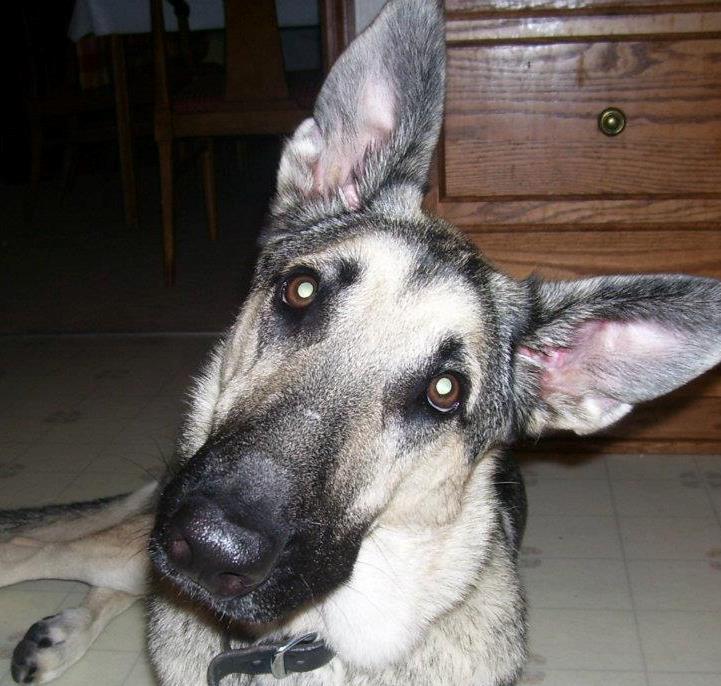
I don’t know much about adopting kittens, but I do know a lot about adopting dogs. As a volunteer for a dog rescue group, my role is to process applications. In other words, I do background checks. I check national “do not adopt” lists. I do a criminal background check. I conduct property checks. I review living arrangements. I talk to animal control and veterinarians about the applicants. And I call references. If I don’t find any red flags, another volunteer conducts a home visit.
Many families who want to adopt a dog are denied for a variety of reasons: they’ve had pets hit by cars; they haven’t spayed or neutered their current or previous pets; they aren’t home enough to spend quality time with an animal; they don’t have the money or space for a dog; they already have too many pets. The list is long and varied, but the bottom line is the same. Rescue groups want to ensure the dogs have a good quality of life and, most of all, that they are safe.
We should want the same for people. And yet, in the United States, people who are denied adopting a dog can walk into a store or a gun show and buy almost any gun they want.
We might be keeping dogs safe, but I have to wonder about the people.
Fear and Self Doubt at the End of a Pointed Finger
 A few months after I moved to West Virginia from Oregon, a girl in my junior high gym class pushed me into a dark corner of an unused shower, got in my face and screamed at me for being too smart. As she pointed her finger into my chest, she told me that I had better stop acting like I was better than everyone else. She was joined by two other girls whose spittle sprayed across my face as they railed at me – screaming that every time I got a high score on a test or assignment, I ruined the curve for everyone else. They also told me that I talked funny, should accept I was in West Virginia and needed to start acting like it.
Even though the incident probably lasted only a few minutes, the repercussions have lasted my entire life. Yet I never told anyone about what happened, and, up until now, it’s been a secret between me and the three others involved.
But this week, with all of the negative comments and finger-pointing after the presidential election, the memory has come flooding back.
After the incident in the shower, I hated myself and believed I was somehow to blame for the situation. While I never purposely got a bad grade, I was still bullied into submission. I spent years locked in the prison of being a follower rather than an individual. Throughout my adolescence, most of the opinions or beliefs I espoused weren’t really my own. Instead, I was simply parroting what I had heard and what I thought would help me fit in.
Even worse, I was full of self-doubt about who I was and what I believed.
Thankfully, I grew up and I grew strong. I grew to be an independent woman who could think for herself, believe in her own intelligence and develop a conscience that extends far beyond her own wants and needs. I also grew into a woman who isn’t tolerant when people make judgments about or reject someone who acts or thinks differently than they do. I know all too well what that feels like.
That’s why some of the harsh comments and reactions to this week’s election took me right back to the shower where I was being bullied.
I understand why some people are angry and frustrated. I felt the same way after the 2000 and 2004 elections. But I didn’t to purposely make others feel bad about their beliefs and opinions. Yet that’s what I’ve been witnessing, and to me, the reactions mirror how the girls in the shower treated me.
People are angry at the election results and are trying to find someone else to blame. The girls were angry about their own grades and had to find a scapegoat, which was me.
Romney supporters are screaming that those who voted for Obama are idiots, morons, traitors and worse. The girls didn’t question my intelligence, but they did question my standards and integrity.
Some extremists are complaining that Obama rallied minorities and people on welfare to vote for him and, in those complaints, they are insinuating that these individuals don’t have the same status as “real” Americans. The girls complained that I, a newcomer to a community where they had lived their entire lives, should be conforming to their definition of normal.
The main difference between now and when I was a teenager is that I am not going to be quiet when I hear or witness such behavior. It’s wrong and people should be told it’s wrong. Neither do I feel bad about myself or my beliefs. I now recognize that anyone who points a finger is simply trying to transfer their own fear and self-doubt to someone else.
Instead of pointing fingers we should be joining hands so together we can tackle some of the tough issues we face. After, all, it’s’ hard to be angry, fearful or full of doubt when your fingers are touching someone else’s.

A Country Road, a Locked Gate and Barriers to Endless Possibilities
 I can be pretty slow at times, especially when I ride my bike. But that’s not necessarily a bad thing. As the only person actually peddling on a road where others are simply pushing a gas pedal, I notice a lot.
For the past couple years, I’ve been regularly riding on a country road that gives me a great deal to think about:
A plowed cornfield with only one stalk left standing;
A barn with what appears to be an old American flag I can’t identify;
And a gate that, for all I can tell, is completely ineffective.
The gate crosses a gravel road that runs between two fields. Until this week, green stalks of corn filled one of the fields, while the other had no discernible crop. This week, both were plowed. So the road now runs, and eventually dead ends, between two muddy, empty fields.
Other than providing farm workers easy access to the fields, the road doesn’t serve much purpose. It certainly doesn’t lead anywhere interesting or provide enough privacy to be a lovers’ lane. Because of that, the importance of a locked gate with a fading private property sign eludes me. Since there is no fence on either side, the gate isn’t really preventing anyone from simply driving around it.
 After passing the gate day after day, I finally took a picture and posted it on Facebook with a question about its purpose. I got a variety of responses ranging from people who took the question seriously to those who didn’t.
The general consensus was that there had probably been fences around the fields at some point. When they were torn down, the gate stayed to mark private property.
While this concept still puzzles me, it also reminds me of human behavior in general: we often tear down fences but leave gates standing.
We say we believe in equal rights and demonstrate this by tearing down barriers for others. Yet we still leave up gates to protect what we believe we earned or deserve and fear others may access or take away. Sometimes these gates are words. Sometimes they are the policies we support. And sometimes they are even religious beliefs.
But whatever the reason, the gates are there. And, just liked the locked gate I pass every day on my bike, they provide a false sense of security for some and serve as a challenge for others.
At times, I know I’ve protected my own gates. But the rebel in me also spends a lot of time thinking about how to get around gates. And I admit, there have been many times when riding my bike on the country road, I’ve been tempted to ride around the gate. The silliest thing is I would have no desire to ride on the gravel road if the gate weren’t there. I certainly don’t want to cause any problems or do any damage.
But then, I don’t think people who are seeking greater opportunities have any desire to trample on the achievements of others. They just know the possibilities would be endless if they weren’t constantly slowed down by so many locked gates.
Burning Down Our House With Debates About Health Care
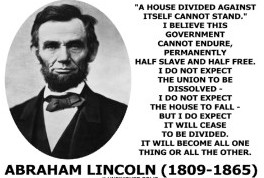 In 1858, Abraham Lincoln made his famous “A house divided cannot stand” speech.
He was debating Stephen Douglas about the issue of slavery. Douglas believed that each new territory or state should be allowed to decide whether it would permit slavery. Lincoln believed that the nation as a whole should take stand. At the time, a lot of people believed whites to be superior to blacks and that owning another person was justified based on skin color and bank account size.
We all know who eventually won that debate. But even after the slaves were free, too many people still believed in a superior race. And, for more than century, too many laws reflected their beliefs.
Now, more than 150 years later, I wonder how history will portray the politics of 2012 when the United States is once again a house divided.
Only this time, instead of being divided over slavery, we are divided about the purpose of government. But there is also an underlying debate very similar to the one being waged during the Civil War.
Too many people still believe that some individuals are superior to others. Only instead of color, they are claiming superiority based on the size of their bank account or their employment status. We have become a country that is debating whether we measure success in terms of dollars or in terms of human rights. We are debating whether accumulating possessions is more important than ensuring access to health care. And we are even debating whether or not poverty is a moral issue.
This has never been more apparent than with the reaction to the Supreme Court’s decision that the Affordable Health Care Act is Constitutional.
The fact that people have different opinions about the decision doesn’t bother me. I expect that. Different opinions are healthy. What bothers me is the judgmental comments and self-righteous outrage that some people expressed.
I was particularly struck by comments from a public school teacher who said the Supreme Court’s decision was immoral. She followed this by saying “I work for a living. I don’t want my hard-earned dollars to support people who depend on the government.”
Since a public school teacher depends on the government (i.e., taxpayer dollars) for her paycheck, I was dumbfounded. I wonder how she would react if the country engaged in a debate about the importance of education and whether we are infringing on taxpayers rights by requiring them to pay for education.
At some point, our country embraced the belief that education is a right that every child deserves. We even took that concept a step further and mandated that children stay in school until a certain age.
If the issue were being debated now, there’s no doubt some people would be screaming that requiring children to go to school is unconstitutional and that hard-working taxpayers shouldn’t be responsible for the education of others.
Thankfully, most people recognize the importance of education, the benefit it has on a person’s future and the positive impact on a community’s economy. The same benefits can be attributed to access to health care, so I’m not really sure why we are so divided about the issue.
But we are.
Instead of debating how to help people, we are debating whether or not we even should. Take, for example, the comments of the previously mentioned public school teacher who claimed the concept of the Affordable Care Act is immoral.
Last time I checked, helping others was the definition of morality, not immorality.
But logic isn’t everyone’s strong suit. Many of the same people advocating for personal responsibility are also outraged that the individual mandate is part of health care reform. As explained to me, the purpose of this mandate is to encourage responsibility by requiring people to either purchase health insurance or pay a penalty to help cover the government’s costs.
Don’t get me wrong. I don’t think the Affordable Care Act is perfect, but at least it’s a statement about what a lot of people think is important. Actually, most people probably think access to health care is important. The dividing issue is about whether it is important for all Americans or only those who have employers or bank accounts that can cover the costs.
The debate isn’t going to end anytime soon. And with the presidential election season getting into full swing, discussions will get even more discordant.
I just hope that whatever the outcome, Americans can look back at the repercussions of this time with pride rather than shame. I hope we can say this is a time we stood up for the rights of all rather than for the benefit of some. And most of all, I hope we don’t divide and even burn down our house with our heated differences.


 Just So You Know