Blog Archives
Slaying the Lizard of Oz
 When my daughter was in preschool, she discovered The Wizard of Oz, and even though she absolutely loved the story, she just couldn’t get the title quite right. She called the classic story “The Lizard of Oz.”
Initially, my husband and I tried to correct her, but nothing worked.
My son, on other hand, never even attempted to point out that a lizard is very different from a wizard. He simply chose to make fun of his sister, and since she didn’t understand his ridicule, she wasn’t really bothered.
Trying to teach my daughter the difference seemed futile. Instead, we decided that allowing her to happily promote the concept of a giant lizard ruling over the Land of Oz made our lives more peaceful.
At least, it was more peaceful until that day she came home dismayed that her parents made her look foolish by allowing her to publicly talk about “The Lizard of Oz.”
I can’t tell this story without thinking of all the adults who also believe in the Lizard of Oz.
These are people who make up their minds about something and only listen to those who validate their beliefs: the politicians who believe that they speak for “all Americans” or the old white guys with money who only listen to other old white guys with money (or to those who pander to them). They, like the Scarecrow in the Wizard of Oz, could easily gain wisdom. All they’d have to do is listen to people who better understand the real issues.
These are the people who only make decisions based on their own paradigm. They ignore that the world is changing, which means their way of doing things should change too. Instead, they, like the Tin Man, appear heartless because of their refusal to adapt with little regard for others.
These are the people who are self-absorbed. Like the Wicked Witch of the East, they believe those seeking help are the problem, and they care more about feeding their own egos than feeding the hungry.
But no matter how hurtful or destructive these people are, they get away with their behavior because there are even more of us who enable it. We act like the Cowardly Lion, who is afraid of everything. We fear calling out those who are wrong. We fear making ourselves look bad. We fear causing too many problems. We fear repercussions. And we fear failure.
But being the Cowardly Lion is outside of my comfort zone. I’m not the type to sit back because trying to change misperceptions and outright mistakes is too difficult.
I’m off to slay the lizard, the problematic Lizard of Oz.
The Daisy Petal Deception
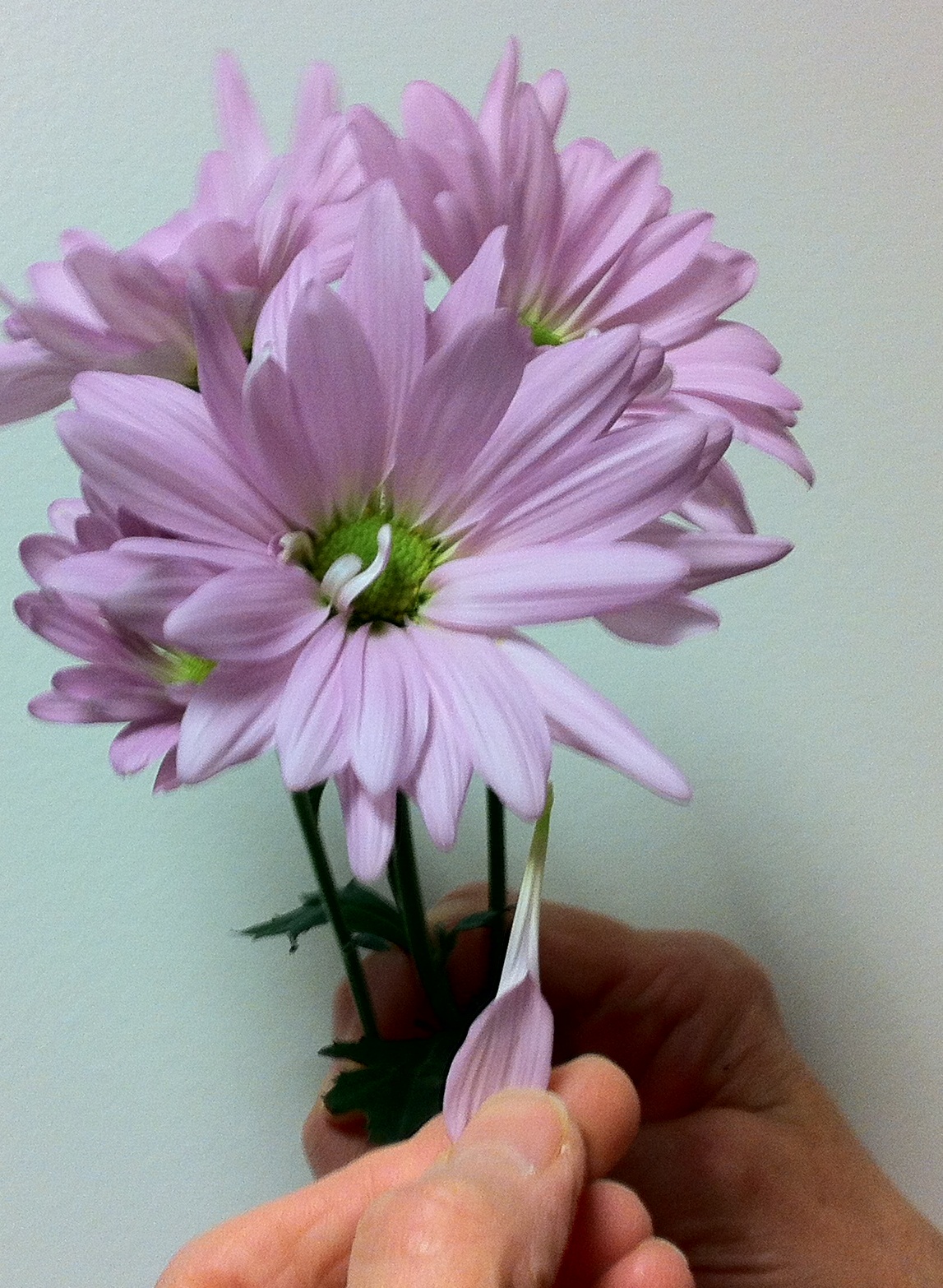 Even though people tell me I have a very good memory, I’m not so sure. For every story or incident I remember, I am constantly reminded of all those times about which I have no recollection. And I have no clue who taught me that plucking petals off a daisy is a reliable method of determining whether someone cares about me.
Pluck a petal – he loves me. Pluck another petal – he loves me not. Pluck another – he loves me. And the last petal will supposedly reveal the true nature of his feelings.
A rational person would recognize that the practice is not only ridiculous but that it also promotes the deliberate torture of innocent daisies. Apparently, I haven’t always been particularly rational.
I’m ashamed to admit that, thanks to a long-forgotten tutor, I’ve tortured a lot of daisies in my life.
Most were destroyed in the name of boys and men who never even knew that I cared. (I can only credit myself for the self-taught skill of acting disinterested when I was actually quite interested.) I even began plucking daisy petals for answers to questions that had nothing to do with relationships.
Pluck a petal – I will get what I want. Pluck another petal – I will be disappointed. Pluck a petal – I will get what I want.
Every time I got the answer I wanted, my appreciation for the practice grew. Not because the answer proved to be valid, but because it was an easy way to avoid the ambiguities of life and love.
Unfortunately, a lot of people like avoiding ambiguities. They like simplicity. They crave only two choices, so they can make a quick decision rather than think about alternatives and possibilities:
– They want one religion to be right and any other to be wrong.
– They want one political party to have all the answers and the other to only represent miscreants.
– They want people with a good-paying jobs to represent moral superiority and poverty to represent laziness.
Pluck a petal – you’re good. Pluck a petal – you’re bad.
The problem with plucking daisy petals is there is never a need for a real solution and there’s no call for action. If you don’t get the answer you want, you pick another daisy and try again. Either that, or you accept the answer but sulk and complain.
Sulking and complaining has never made anyone happy. Changing circumstances does, but that usually requires compromise and working with others. It requires putting down the daisies in our own hands, so we can join hands with others.
When we do that, the options grow, and opportunities really start to blossom.
You Can Learn a lot of Interesting Things in 46 Years
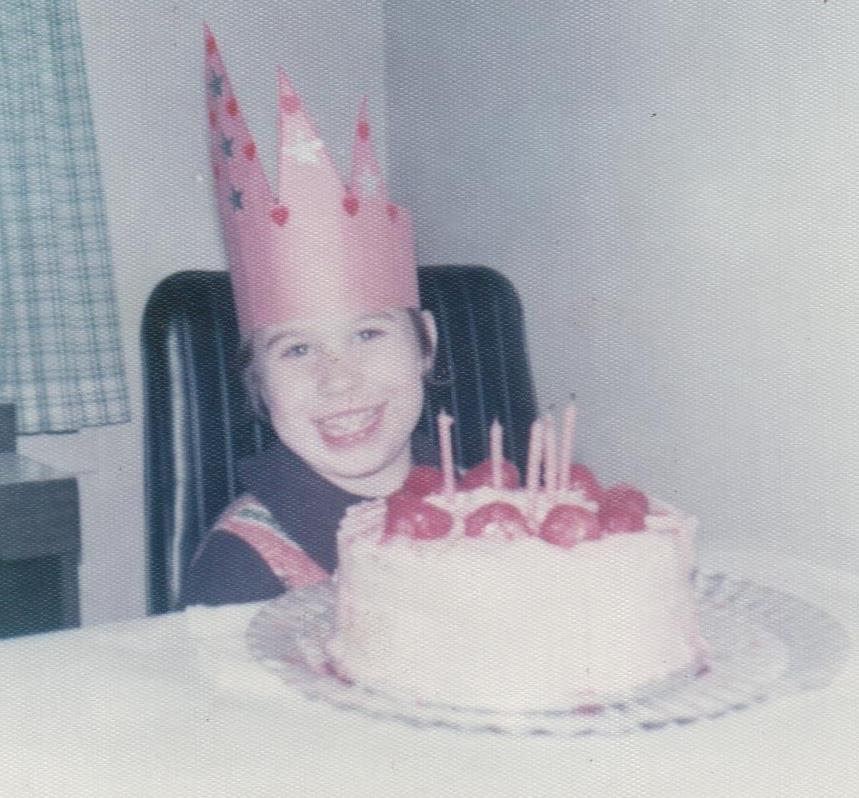 I’m doing things differently for my birthday this year.
When I turned to 29, I was so busy comparing myself to others I thought I hadn’t achieved much. When I turned 35, I wondered why I hadn’t lived up to my potential. And when I turned 40, life got in the way of celebrating.
But I’m turning 46 this week, and instead of worrying about what I may or may not have achieved, I’m embracing everything I’ve learned.
I’m not talking about facts or skills. I’m talking about all the things I’ve learned by really living life. Those lessons that came from experience. Those lessons that have shaped who I am.
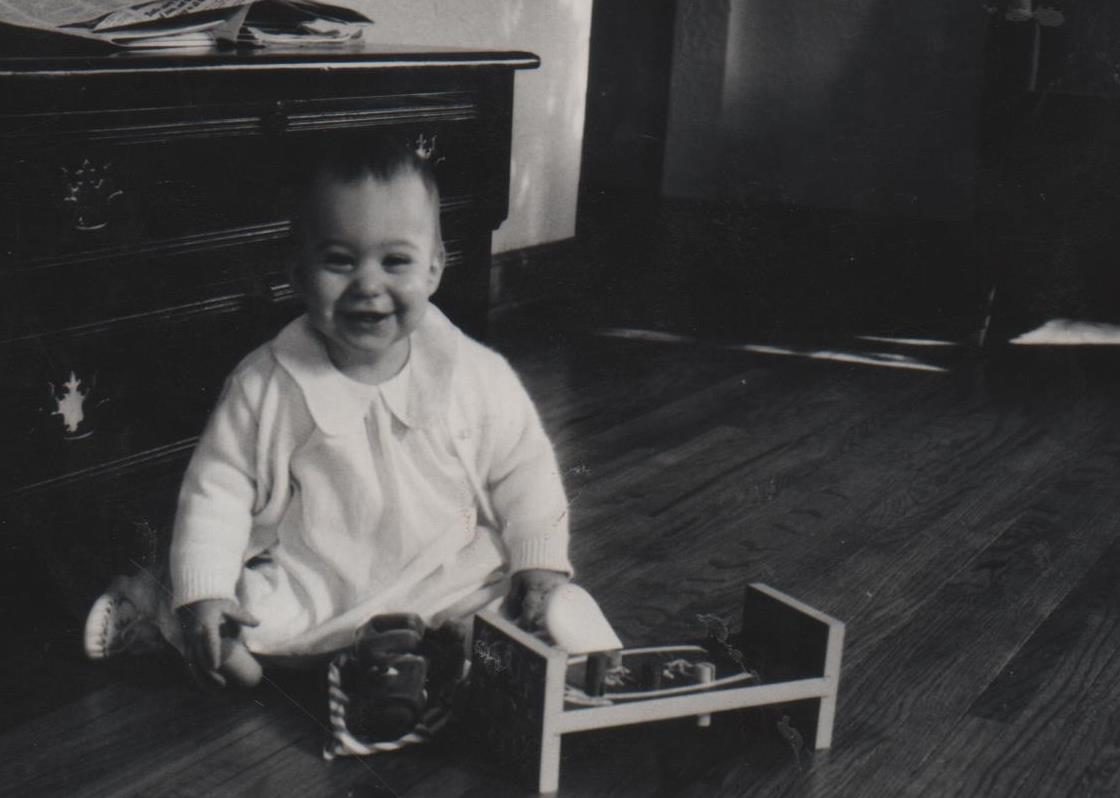 Five Facts Before Age Five
1. Screaming, whining and complaining often get you attention, sometimes get you what you want but never make anyone feel good. Smiling always makes people feel good.
2. Dry dog food does NOT taste just like cereal. Don’t believe anyone who tells you that it does.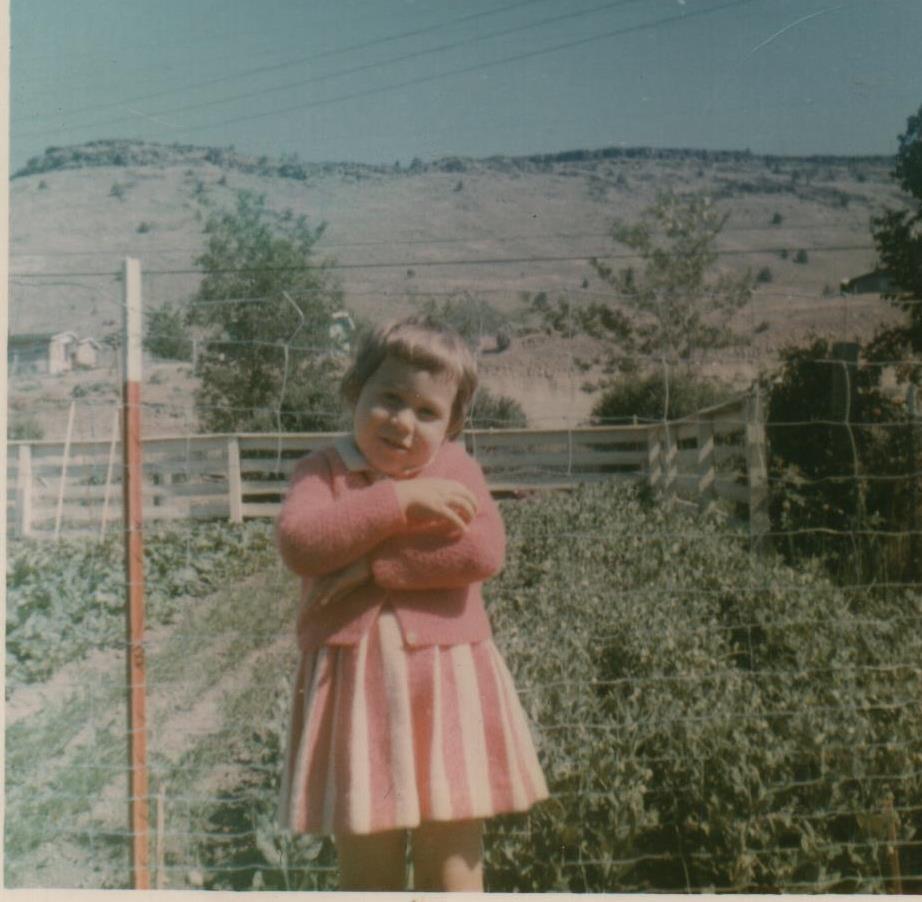
3. Accidents happen when you are laughing uncontrollably with friends.
4. Never trust five year-old boys with scissors, especially when they have little sisters with pony tails.
5. Fashion isn’t everything. Attitude IS everything.
Ten Tenets By Age Ten
 1. You can keep a caterpillar, but you can’t keep the butterfly it becomes.
2. Boy germs are really quite harmless.
3. You will always regret being too afraid to slide down the fire pole.
4. You will never regret staying in at recess to finish the tissue paper corsage for your mom for Mother’s Day.
5. Sometimes people cry when they are happy. But even if they are happy, they probably still need a hug.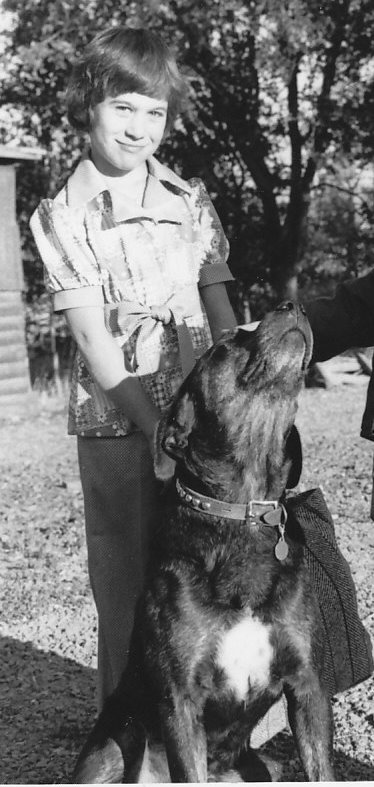
6. Your world can change every time you open a book and read.
7. You have the potential to change someone else’s world every time you pick up a pencil (or a crayon) and write a letter or a story.
8. A dog will always keep your secrets. Always.
9. When you get a present you don’t like, you have to smile and pretend it’s exactly what you wanted. This most likely means you will get more presents you don’t like.
10. Using your imagination is much more entertaining than watching television.
 Eight Adages of Adolescence
1. Being true to yourself can be very, very difficult. But pretending to be someone you’re not is even more difficult.
2. Boy germs may be harmless, but they are also very interesting.
3. Don’t try to grow up too fast. Acting like a kid is actually more fun than acting like an adult.
4. Life is all about change. If you resist it, you’ll just be angry and disappointed. You might as well embrace change and adapt.
5. There is nothing like going through a hard test together to unite people who have absolutely nothing else in common.
6. There will always be people who think they know who you are. All that counts is that you know who you are.
7. Creativity is a necessity if you’re going to break the rules.
8. If you listen to what other people say about you rather than to your inner voice, you’ll never be happy.
A Collection of Collegiate Lessons
 1. There is absolutely nothing better than finally discovering people who think like you think.
2. There is absolutely nothing more educational than living with people who are completely unlike you.
3. First impressions shouldn’t count for much at all. You can never predict the people who will support you when your world is crumbling.
4. At some point, you just have to stop worrying about people who don’t like you and simply surround yourself with those who do.
5. There are times when you have to forget about achieving anything meaningful and just embrace the moment. Life is about creating memorable moments.
6. Fashion CAN be an attitude.
Eight Pieces of Wisdom from Adulthood
 1. Your past will probably catch up with you, but that’s not necessarily a bad thing.
2. The most beautiful moments are often the most quiet ones.
3. Acting like a kid is still more fun than acting like an adult. If you forget how to act like a kid, all you need to do is buy some Play-Doh.
4. If you’ve lost contact with someone who meant a lot to you, have faith. People who are really important will probably reenter your life at some point.
5. A lot of really incompetent people achieve positions of power, but that doesn’t mean others don’t recognize their ineptness.
6. Sometimes failure is the best thing that ever happens to you.
7. Never EVER stop dreaming and believing in possibilities. Just because something doesn’t happen when you want it to happen doesn’t mean it will never happen.
8. We often hate how we look in pictures. But, years later when we look back on those pictures, they will definitely make us smile.
Happiness Should Be Like a Dog With a Snowball
 The year 2012 ended with a white Christmas, which is fairly unusual here in the Eastern Panhandle of West Virginia. But then, Mother Nature hasn’t been very predictable, or even very kind, over the past twelve months. Her random and sometimes disruptive behavior was fitting for a year when too many people experienced upheaval and loss. But just like Mother Nature, 2012 also brought bright and sunny moments along with the storms. All serve as reminders of the lessons we need to learn and/or remember.
Lesson 1: We Should Experience Happiness Like a Dog with A Snowball My German Shepherd, Rodney, adores the snow. He loves bounding through it. He loves smelling it. He loves eating it. And most of all, he loves playing in it. As a true fanatic for all things that can be thrown and caught, when the white stuff is on the ground, he begs for someone to pack and throw a snowball.
This Christmas, I noted how thrilled he was with every snowball he caught, even though each fell apart or dissolved in his mouth. Instead of being disappointed when a snowball was gone, he was just as eager for another, which he enjoyed with no concern that it too would disappear.
We should all appreciate our happy moments just like my dog appreciates snowballs. They may be fleeting, but instead of worrying that they may not last, we should enjoy each moment and remain steadfast in our belief that there will always be more.
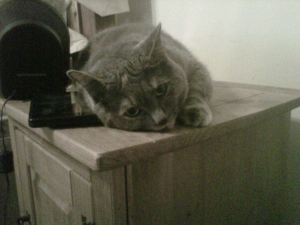 Lesson 2: We Can’t Always Control Our Circumstances or Protect Those We Love, but Any Attempts To Do So Are Always Good for a Laugh At the end of June, the Eastern Panhandle, like the rest of West Virginia, was hit unexpectedly by a derecho, or a land hurricane. Most of us had never heard of such a storm prior to the event, and since there were no warnings, we didn’t initially realize the severity of what had happened. We discovered the extent of damage the next day when we saw the downed trees and power lines and when many people experienced a loss of electricity for weeks.
The event left its mark, so in October, when meteorologists called for the Eastern Panhandle to be in the path of Hurricane Sandy, most of us wanted to be prepared. Some of us over-prepared. And some of us even freaked out… a bit.
For my part, I decided my family should ride out Sandy in our basement to avoid the hazards of trees crashing through our roof. We were all safely downstairs when I realized that Skitty, our cat, wasn’t with us. Since Skitty has a tendency to hide in unusual and hard-to-find places, I immediately assigned all family members to search for her. As the wind howled and the trees creaked, we took turns calling her name and shaking a bag of cat food, which is usually the best way to get our over-weight feline out of hiding. This time it didn’t work, and I began to worry that my cat, who is generally too lazy to go outside, was battling the elements.
Just as my anxiety got the worst of me, my son, in his usual dry and sarcastic way, told me that the cat was safe. As it turns out, the only thing she was battling was her disdain for a family who didn’t realize that she’d taken shelter in the basement long before the rest of us. My cat had the sense to do what she needed to do and not be bothered by the drama that surrounded her. I should have done the same.
I hadn’t had enough warning to worry about the derecho, and we managed through the storm and the aftermath just fine. I had way too much warning about Sandy, and even though we also managed through that storm and aftermath just fine, my stress level had gotten so high that even my cat chose to ignore me.
Sometimes, we get so wrapped up in either avoiding a situation or in worrying about what might happen, we simply forget that we can only do so much, we must accept that some things are beyond our control and we should believe in the sound judgment and appropriate actions of others. The results won’t always be what we hope for, but too much worry is only good for providing memories that allow us to laugh at ourselves later. 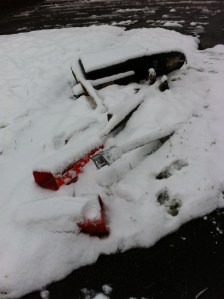
Lesson 3: Life Rarely Goes According to Plan, but When Bad Things Happen, We All Have a Great Capacity for Resiliency and Recovery No one in my family expected the snow that arrived on Christmas Eve, and, even after it began to fall, none of us expected it to last long. But last it did. And in the midst of final preparations for our Christmas celebration, the snow covered the grass and then it covered the roads.
When we realized we were going to have a white Christmas, we celebrated by taking a family walk with Rodney. Unfortunately, Rodney was more excited than all of us, and the jumping, the barking and the lunging, drove my husband crazy to the point he just wanted to go home. Instead of enjoying the beauty of the untouched snow, we were trying to control an overly enthusiastic dog. I worried that our Christmas Eve would become a battle over the dog.
As Rodney began to calm down, we began the climb up the hill on the far side of our neighborhood. When a truck came speeding down the snow-covered hill, we immediately jumped off the road and into a neighbor’s lawn. And then we heard loud thumps and bangs. We turned to see that the truck had gone off the road and taken out two mailboxes and multiple newspaper boxes. Packages littered the ground, and I was relieved that Rodney’s behavior was all but forgotten.
We empathized with the driver and the home owners that such an incident happened on Christmas Eve. But when put in perspective with the loss some families faced this Christmas, the event was far from tragic. For many, Christmas isn’t always just a reminder of family traditions and family warmth. It can also be a reminder of could-have-beens, might-have-beens and regrets. And yet, most of us still believe in the magic of the holidays.
Yesterday, as I was walking up that same hill with Rodney during yet another unexpected snow storm, I noticed the mailboxes were already back up. As is true with human nature, the owners were trying to get everything back to normal. Seeing the mailboxes standing so quickly after witnessing their near demise less than 36 hours earlier was a reminder that no holiday is ever perfect. But planning for perfection only leaves room for disappointment, and planning for disappointment only leaves room for anxiety. But planning to enjoy life’s imperfections only leaves room for joy.
I plan to carry that lesson with me forever and to look forward to whatever the weather, and life, have in store for 2013.
The Rapist with the Great Reputation
 During my freshman year of college, female students were on high alert. A predator had taken advantage of unlocked doors to rape at least two co-eds in their own dorm rooms. Flyers with a composite drawing of the suspect along with warnings and safety reminders were hung up all over campus.
I think the guy was eventually caught, but I honestly don’t remember.
What I do remember is that, for a while, most female students were careful about locking their doors and not walking alone after dark. While those precautions should have been and should continue to be common practice, our fears were somewhat misplaced.
Instead of worrying about a stranger jumping out of the shadows to attack us, we should have been alert to those we already knew.
No one ever taught me that, but I learned the lesson anyway. Unfortunately, I learned it too late.
I was already a college graduate when I was invited to a law school party that started like any other. That didn’t last long.
At other parties, I didn’t fall down after one beer. At other parties, male acquaintances with whom I had absolutely no romantic interest didn’t complain, “that’s not how it was supposed to work” when I talked to other male party goers. And at other parties, I didn’t leave with huge chunks of time missing even though very little alcohol was consumed.
I will never know exactly what happened that night. I’ve gotten bits and pieces from friends but, to be honest, I never really wanted to know. For a long time, I was ashamed and believed that I had done something wrong.
Only years later, when I learned about Rohypnol and other date rape drugs, did I piece together what probably happened. And even then, I had no proof that anything happened at all.
Statistics show that such an incident isn’t uncommon. The National Institute of Justice (NIJ) estimates that about 85 to 90 percent of sexual assaults reported by college women are perpetrated by someone the victims knows. Half of all victims do not define the incident as rape because ” there is no obvious physical injury and alcohol was involved.” The NIJ also reports that “approximately 27.5% of college women reported experiences that met the legal criteria for rape.”
What they usually don’t do is report these incidents as crimes.
That’s because rape often doesn’t look like the crime many of us were taught to avoid.
Rape is not just a crime of violent sex offenders who stalk women in dark alleys. It is not just a crime of deranged individuals who can’t control their violent urges and express them through rape. Instead, it is often a crime committed by men or boys with great reputations who, for whatever reason, are seeking to meet their needs by controlling women. And because these men are often respected professionals, athletes or students, they often get away with their behavior.
A former emergency room nurse told me a story about caring for a young woman who had been raped on campus by a student athlete. The university offered to pay the victim’s tuition if she didn’t press charges or go public. She never pursued the crime, but she never went back to school either.
A social worker tells the story of a woman who drank too much and was picked up by a police officer, who, instead of giving her a ticket, chose to rape her instead. She never pressed charges for obvious reasons.
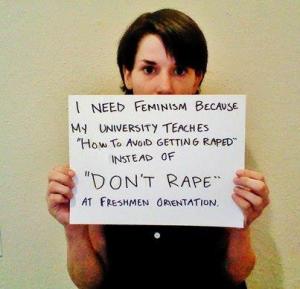
This week, a colleague showed me the photo of a young woman holding a sign that says ” I need feminism because my university teaches how to avoid getting raped rather than don’t rape.” I posted the photo on Facebook, and it immediately got reaction, including those who wanted to emphasize that young women should be taught to take safety precautions.
I couldn’t agree more. But I can’t say that putting all the responsibility on women is fair or appropriate. Universities, and society as a whole, must send a constant and consistent message about the definition of rape and that it is a crime regardless of the circumstances and people involved.
That’s not happening. Instead, the message seems to be that these things sometimes happen when alcohol is involved or when women lead a man on. The message also seems to be that some men are just too important to hold accountable.
And so, I agree with the young woman in the photo.
There will always be individuals who push the limits. The rest of us have the responsibility to push back.
Fear and Self Doubt at the End of a Pointed Finger
 A few months after I moved to West Virginia from Oregon, a girl in my junior high gym class pushed me into a dark corner of an unused shower, got in my face and screamed at me for being too smart. As she pointed her finger into my chest, she told me that I had better stop acting like I was better than everyone else. She was joined by two other girls whose spittle sprayed across my face as they railed at me – screaming that every time I got a high score on a test or assignment, I ruined the curve for everyone else. They also told me that I talked funny, should accept I was in West Virginia and needed to start acting like it.
Even though the incident probably lasted only a few minutes, the repercussions have lasted my entire life. Yet I never told anyone about what happened, and, up until now, it’s been a secret between me and the three others involved.
But this week, with all of the negative comments and finger-pointing after the presidential election, the memory has come flooding back.
After the incident in the shower, I hated myself and believed I was somehow to blame for the situation. While I never purposely got a bad grade, I was still bullied into submission. I spent years locked in the prison of being a follower rather than an individual. Throughout my adolescence, most of the opinions or beliefs I espoused weren’t really my own. Instead, I was simply parroting what I had heard and what I thought would help me fit in.
Even worse, I was full of self-doubt about who I was and what I believed.
Thankfully, I grew up and I grew strong. I grew to be an independent woman who could think for herself, believe in her own intelligence and develop a conscience that extends far beyond her own wants and needs. I also grew into a woman who isn’t tolerant when people make judgments about or reject someone who acts or thinks differently than they do. I know all too well what that feels like.
That’s why some of the harsh comments and reactions to this week’s election took me right back to the shower where I was being bullied.
I understand why some people are angry and frustrated. I felt the same way after the 2000 and 2004 elections. But I didn’t to purposely make others feel bad about their beliefs and opinions. Yet that’s what I’ve been witnessing, and to me, the reactions mirror how the girls in the shower treated me.
People are angry at the election results and are trying to find someone else to blame. The girls were angry about their own grades and had to find a scapegoat, which was me.
Romney supporters are screaming that those who voted for Obama are idiots, morons, traitors and worse. The girls didn’t question my intelligence, but they did question my standards and integrity.
Some extremists are complaining that Obama rallied minorities and people on welfare to vote for him and, in those complaints, they are insinuating that these individuals don’t have the same status as “real” Americans. The girls complained that I, a newcomer to a community where they had lived their entire lives, should be conforming to their definition of normal.
The main difference between now and when I was a teenager is that I am not going to be quiet when I hear or witness such behavior. It’s wrong and people should be told it’s wrong. Neither do I feel bad about myself or my beliefs. I now recognize that anyone who points a finger is simply trying to transfer their own fear and self-doubt to someone else.
Instead of pointing fingers we should be joining hands so together we can tackle some of the tough issues we face. After, all, it’s’ hard to be angry, fearful or full of doubt when your fingers are touching someone else’s.
2 and 1/2 Foolish Wishes
 If I had a genie that granted three wishes, I would have almost wasted them this past week.
Instead I only hypothetically wasted two and came very close to wasting the third.
My preoccupation with genies and wishes began when my daughter told me about a recent in-class writing assignment. She and her fellow sixth grade students were given the scenario that they’d released a genie from a lamp and had three wishes to use in a week.
“The only rule,” my daughter explained as I was driving to her dance class, “was that we couldn’t wish for more wishes.”
“What about wishing for magical powers?” I asked.
She thought for a minute then said, “It depends on what kind of magic.” She didn’t elaborate, so we sat in silence for a few minutes.
Then I had to ask, “Well, what were your wishes?”
She turned and gave me an exasperated look. “You’re not going to write about this are you?” she asked.
I didn’t think I would, so I didn’t really lie. “Of course not,” I said.
“I wished for a rainbow-colored unicorn, a black Pegasus like Blackjack from the Percy Jackson books and telepathy,” she said.
At the time, I was simply amused by her choices, but then my imagination took hold and I began to pretend that I too had found a magic lamp with a genie who granted three wishes. I was sure my wishes would be much more meaningful and beneficial to society.
I was wrong. Despite what I thought were good intentions, my wishes were probably more foolish than my daughter’s.
My first was for everyone to see the true colors of a person I’m pretty sure has narcissistic personality disorder. Granted, my clinical training is limited to a few classes in graduate school, but he has most of the of the classic characteristics. He not only lies but also he believes his own lies. He manipulates yet does his best to convey that others are the ones being manipulative. He expects everyone else to go along with his plans, doesn’t listen to anyone he doesn’t deem worthy, takes advantage of others and exaggerates his skills and talents. This week, when I realized how many people either don’t recognize or don’t want to recognize this, I’d had enough. I wished everyone else could see through the bravado. But if that happened, I later realized, his gigantic ego would be injured but he’d still carry on with his life. Others could be hurt much more, and then I’d be as selfish as he is. That was an incredibly foolish wish.
My second wish came after looking at a Facebook news feed and witnessing what I deemed some incredibly stupid posts. Some people were sharing inappropriate details about their personal life and health. Others were posting photos of themselves that screamed “pay attention to me.” And then there were the completely inaccurate and misleading political posts. I wished that Facebook had an automatic editor that screened inane and inaccurate posts then provided genuine feedback as to why the edits were made. I smiled at the thought of opening up Facebook to a much more rationale, intelligent and genuinely humorous news feed. But then I realized what a damaging and self-righteous wish that was. What I was really asking for was a limit on free speech. And no matter how inaccurate, hurtful or stupid the information is that people are now putting on the internet, many Americans fought and even lost their lives for their right to do so. I had wasted another wish.
That’s why my third wish came very close to being a wish to get rid of mirrors.
Mirrors generally don’t benefit society. They either encourage vanity or dissatisfaction. After my first two wishes, I didn’t want to look in the mirror anyway. My avoidance of a mirror had nothing to do with my outward appearance and everything to with lifelong aversion to self-absorbed and self-righteous people. If I looked into the mirror after my first two wishes, I would have been face-to-face with just such a person. But maybe that’s why I wanted mirrors eliminated.
I was on the verge of making the mirror wish when I received an email that jerked me back to reality. The son of a friend had been very seriously injured, and all anyone could do is pray. In comparison, all my wishes seemed trivial and ridiculous. I realized we are all on this planet together and finding fault with each other really doesn’t do us any good in the end. Neither does thinking that we know better than others.
I’m still in the process of learning that lesson the hard way, but I also have one imaginary wish left. If it were real, I’d use it to wish we all had just a bit more patience and understanding. No matter how I look at it, I don’t see how this is foolish. It doesn’t break the rule of wanting more wishes, but it could be magical and transform humanity.

A Leap From The Top Step
On May 14, 1972, I got my first real lesson in fear.
That’s the day my uncle, my mother’s only sibling, was killed in a plane crash.
That’s also the day I stopped leaping from the top step.
Before that day, I loved jumping off the front steps of our small rental house on the Indian Reservation where my father worked. The joy of the  jump was partly due to a sense of flying and partly due to the risk I was taking. More often than not, instead of landing on my feet, I’d land on my hands and knees. But the scraped knees and elbows were a small price to pay for bragging rights.
According to my brother and his friends, walking down the steps was a sign of weakness. Jumping was the only acceptable means of getting off the porch, and the jump had to be from the top step. Even jumping from one step down was considered cheating and a more egregious offense than forgetting to jump at all.
So, every time I walked out the front door, I would hurl my short, five-year old legs over five steps and land in various positions on the sidewalk. Then, I’d brush myself off and walk away with a sense of pride.
That all changed when my uncle crashed his twin-engine plane.
That Mother’s Day started in an ominous way. It began when my dad and mom, a burgeoning journalist, woke up my brother and me before dawn and bundled us into the back of our red, Ford pickup. There had been a train wreck, and we were going to the site. My dad, brother and I stayed in the truck while my mom, notepad in hand and camera around her neck, wandered off to interview people. Sitting in the truck, my imagination ran wild with thoughts of who and what Mom was encountering.
Hours after we had returned, the phone ran, and my mother disappeared for a long, long time, When she finally returned to our living room, she told us “Uncle Lowell was in a plane crash.”
My imagination, already quite stirred up from the morning’s adventure, envisioned all of the injuries he could have sustained. For some reason, I became fixed on the idea that he had, at a minimum, broken his leg. The possibility that he’d died never crossed my mind, and I don’t even remember how or when my mother finally told us. I do know that by the time she did, I’d so worked myself up about the horrors of broken bones that dying seemed like a great alternative.
I’d also decided that, based on my lack of coordination, the next time I jumped off the top step, I would most certainly break my leg.
That fear ate at me, and the next time I had to go down the steps, I couldn’t jump. I was frozen, and the ground seemed to be a long, long, long way down. I eventually jumped from the second step from the top, but I would never leap from that from the top step again.
Now, forty years later, a five year-old’s leap, or lack of a leap, seems insignificant. But it’s not.
That experience taught me about regret and about how inane decisions are made out of fear, limited information or both. It’s also taught me that sometimes we get so wrapped up in an imaginary fear that we are blinded from seeing the genuine and more critical facts.
I still fall into the trap of letting unfounded fear affect my decisions. But more often than not, I remind myself of the joy that comes from leaping off the top step and the pride that comes from going outside my comfort zone.
And then I jump.
The Art of the Silent Blog
 The art of silence has always eluded me.
For some people, a lack of words seems profound and noble. For me, a lack of words is simply awkward and frustrating. For the most part, silence has always been just beyond my reach, ability and even my belief system.
Even though I understand that silence is often a sign of respect, I also know that silence can do more damage and cut deeper than the harshest words.
I’m not alone.
Dr. Martin Luther King, Jr. said, “History will have to record that the greatest tragedy of this period of social transition was not the strident clamor of the bad people, but the appalling silence of the good people.” He also said, “In the end, we will remember not the words of our enemies, but the silence of our friends.”
Even the dictionary validates my belief that silence isn’t always golden. While the simple definition is “the absence of sound or noise,” the more complicated definition is “the absence or omission of mention, comment, or expressed concern.”
I’ve straddled and struggled with both definitions my entire life. My battle has less to do with my tendency to talk and more to do with my overwhelming need to call attention to injustice, wrongdoing and inappropriate, self-serving behavior.
I’ve been witnessing a great deal of such behavior recently. Yet, for the most part, I’ve remained silent. Even when people have asked if I’m going to write a blog about certain situations, I’ve said, “No, that’s not my role or responsibility.” Besides, my words could easily be misinterpreted as angry and bitter rather than caring and concerned. So I have decided my silence might be more powerful than words.
And so, the silence continues. This change in tactics is also teaching me a new art form: the silent blog.
I think this one says a lot.
Silence is argument carried out by other means. Che Guevar


 Just So You Know